
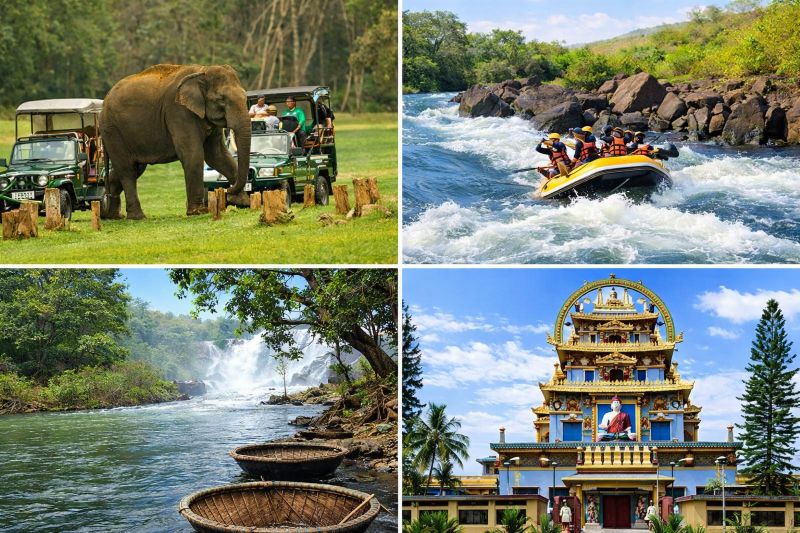
Coorg is a district, not a single town — and that distinction matters when you’re planning a trip. The 21 places in this guide are spread across four geographical clusters: Madikeri (the main town), Kushalnagar in the north, Somwarpet in the northwest, and Virajpet in the south. You’ll need at least 3 days to cover the highlights and 4–5 to do it without rushing.
This guide groups every attraction by area so you can plan efficient days rather than zigzagging across the district. Each entry includes distances, time needed, and who it’s best suited for — families, couples, or adventure travelers.
For seasonal planning, see our month-by-month Coorg weather guide.
All 21 Places at a Glance
| # | Place | Type | Area | Distance from Madikeri | Time Needed | Best Season | Family | Couples |
|---|---|---|---|---|---|---|---|---|
| 1 | Abbey Falls | Waterfall | Madikeri | 8 km | 1–1.5 hrs | Jul–Nov | ★★★★ | ★★★★ |
| 2 | Raja’s Seat | Viewpoint & Garden | Madikeri | 1 km | 1–1.5 hrs | Year-round | ★★★★★ | ★★★★ |
| 3 | Madikeri Fort & Museum | Historical | Madikeri | Town centre | 45 min–1 hr | Year-round | ★★★★ | ★★★ |
| 4 | Omkareswara Temple | Temple | Madikeri | 1 km | 30 min | Year-round | ★★★ | ★★★ |
| 5 | Mandalpatti Viewpoint | Viewpoint | Madikeri | 25 km | 3–4 hrs | Oct–Mar | ★★★ | ★★★★★ |
| 6 | Gaddige (Raja’s Tomb) | Historical | Madikeri | 2 km | 20–30 min | Year-round | ★★★ | ★★★ |
| 7 | Namdroling Monastery (Golden Temple) | Cultural / Spiritual | Kushalnagar | 34 km | 1.5–2 hrs | Year-round | ★★★★★ | ★★★★ |
| 8 | Nisargadhama | Nature / Family | Kushalnagar | 28 km | 2–3 hrs | Oct–May | ★★★★★ | ★★★★ |
| 9 | Dubare Elephant Camp | Wildlife | Kushalnagar | 30 km | 2–3 hrs | Oct–May | ★★★★★ | ★★★ |
| 10 | Harangi Dam | Scenic | Kushalnagar | 35 km | 1 hr | Aug–Jan | ★★★★ | ★★★ |
| 11 | Nagarhole National Park | Wildlife / Safari | Kushalnagar | 60 km | Half-day | Oct–May | ★★★★★ | ★★★★ |
| 12 | Mallalli Falls | Waterfall / Trek | Somwarpet | 50 km | 2–3 hrs | Jul–Nov | ★★★ | ★★★★ |
| 13 | Kotebetta Peak | Trek | Somwarpet | 40 km | 4–5 hrs | Oct–Feb | ★★ | ★★★ |
| 14 | Honnamana Kere Lake | Lake / Cultural | Somwarpet | 38 km | 1–1.5 hrs | Year-round | ★★★★ | ★★★ |
| 15 | Talakaveri | Spiritual / Viewpoint | South Coorg | 48 km | 1.5–2 hrs | Oct–Mar | ★★★★ | ★★★★ |
| 16 | Bhagamandala | Spiritual / Scenic | South Coorg | 39 km | 1 hr | Year-round | ★★★★ | ★★★ |
| 17 | Iruppu Falls | Waterfall / Trek | South Coorg | 80 km | 2–3 hrs | Jul–Dec | ★★★ | ★★★★ |
| 18 | Tadiandamol Peak | Trek | South Coorg | 35 km | Full day | Oct–Feb | ★★ | ★★★ |
| 19 | Nalknad Palace | Historical | South Coorg | 35 km | 30–45 min | Year-round | ★★★ | ★★★ |
| 20 | Chiklihole Reservoir | Scenic | Between Madikeri–Kushalnagar | 22 km | 1 hr | Year-round | ★★★★ | ★★★★ |
| 21 | Somwarpet | Town / Base | Northwest Coorg | 30 km | Half-day+ | Year-round | ★★★★ | ★★★ |
Distances are approximate. Actual driving times are 30–50% longer than GPS estimates on mountain roads.
Madikeri & Surrounds
Most first-time visitors spend their first day here. These six attractions are all within 30 minutes of Madikeri town and can be covered comfortably in a day. For a focused single-day plan, see our one-day Madikeri itinerary.
1. Abbey Falls
8 km from Madikeri · Entry: ₹15 · Time needed: 1–1.5 hours · Easy
The walk to Abbey Falls is almost as good as the falls themselves — a paved path through coffee plants and pepper vines with the sound of water building as you approach. The waterfall drops roughly 70 feet over rocks into a pool below, with a hanging bridge providing the main viewpoint.
Visit between July and November when water flow is strongest. Winter visits are pleasant but the cascade is thinner. Mornings before 10 AM are quietest. Swimming is prohibited — the rocks are slippery and currents unpredictable.
Families with children will find the path manageable. Combine with Mandalpatti (30 min away) for a full morning.
2. Raja’s Seat
1 km from Madikeri centre · Entry: ₹10 · Time needed: 1–1.5 hours · Easy
Named after the Kodagu kings who used this hilltop to watch sunsets, Raja’s Seat remains the most visited viewpoint in Coorg. The maintained gardens, walking paths, seating areas, and musical fountain make it the most family-friendly attraction in Madikeri — flat ground, safe, accessible for elders, and engaging enough for children.
Arrive by 5 PM to secure a good sunset spot. Weekdays are significantly less crowded. During monsoon, drifting clouds through the valley create views that change by the minute.
3. Madikeri Fort & Museum
Town centre · Free entry · Time needed: 45 min–1 hour · Easy
Originally mud-built in the 17th century, rebuilt by Tipu Sultan in granite, then modified by the British. The museum inside the old Anglican church displays Kodagu artifacts, weapons, and portraits. Worth visiting for context rather than spectacle. Combine with Gaddige (5 min away) and Omkareswara Temple (10 min).
4. Omkareswara Temple
1 km from Madikeri centre · Free · Time needed: 20–30 minutes · Easy
What makes this Shiva temple unusual is its architecture: Islamic-style dome, Gothic arches, and minaret-like towers on a Hindu temple. Built in 1820 by King Lingarajendra II, it looks nothing like a typical South Indian temple. The pond in front, with fish and tortoises, adds to the quiet atmosphere. Brief visit — but interesting if you’re already in central Madikeri.
5. Mandalpatti Viewpoint
25 km from Madikeri · Jeep hire: ~₹2,000–3,000 return · Time needed: 3–4 hours · Moderate
The most dramatic viewpoint in Coorg and arguably the highlight of many trips. Located at roughly 1,600 metres within the Pushpagiri Reserve Forest, Mandalpatti offers 360-degree views of the Western Ghats — layered valleys, forested ridges, and cloud cover that shifts constantly.
The last stretch requires a jeep (available at the base) over rough forest roads. Avoid during heavy monsoon — the road becomes unsafe and views are often completely obscured by cloud. October–February offers the best conditions: clear mornings with the landscape still carrying post-monsoon green.
Arrive early. Sunrise visits are especially rewarding for couples and photographers.
6. Gaddige (Raja’s Tomb)
2 km from Madikeri centre · Free · Time needed: 20–30 minutes · Easy
Domed tombs of the Kodagu rulers in early 19th-century Islamic-influenced style. Few tourists, maintained gardens, decent hill views. Worth 20 minutes if you’re already at the Fort — not a standalone destination.
Kushalnagar & North Coorg
A different character from the hill-town feel of Madikeri. This area — 30–40 km north — includes Coorg’s most family-friendly attractions and one of South India’s most significant Tibetan settlements. A full day covers 3–4 of these comfortably.
7. Namdroling Monastery / Bylakuppe (Golden Temple)
34 km from Madikeri · Free entry · Time needed: 1.5–2 hours · Easy
The largest Nyingma lineage teaching monastery, located in Bylakuppe — India’s second-largest Tibetan settlement after Dharamshala. Three enormous golden Buddha statues dominate the main prayer hall, surrounded by detailed murals covering every surface. The scale and visual richness are striking even for non-religious visitors.
Flat ground throughout, visually engaging for all ages, and free entry make this one of the best family attractions in all of Coorg. Tibetan food stalls and shops outside the monastery add to the experience. Photography is generally permitted but check signage inside prayer halls.
Combine with Nisargadhama (7 km) and Dubare (12 km) for a full Kushalnagar day.
8. Nisargadhama
28 km from Madikeri · Entry: ₹15–30 · Time needed: 2–3 hours · Easy
A 64-acre island in the Cauvery River, accessed via a hanging rope bridge. Bamboo groves, a deer park, rabbit park, orchidarium, and boating make this the single best family outing in Coorg for young children. The environment is flat, shaded, and safe. Pack a picnic.
Best visited October–May. Monsoon can make the island muddy and some activities may be suspended.
9. Dubare Elephant Camp
30 km from Madikeri · Entry: varies · Time needed: 2–3 hours · Easy
A conservation centre where visitors can watch elephants being bathed, fed, and cared for by mahouts on the Cauvery riverbank. Most elephant-interaction activities happen in the morning (before 11 AM) — afternoon visits will miss the main experience. Coracle rides on the river are available nearby.
Excellent for families with children. Arrive early. Weekdays are far less crowded.
10. Harangi Dam
35 km from Madikeri · Free · Time needed: 1 hour · Easy
A scenic stop rather than a major attraction. Especially photogenic August–January when water levels are high. Cool breezes, open views, and quiet surroundings make it a pleasant break during a Kushalnagar-area day.
11. Nagarhole National Park
~60 km from Madikeri · Safari fee: ₹250–300/person · Time needed: half-day · Easy (vehicle safari)
One of Karnataka’s premier tiger reserves and a UNESCO World Heritage Site contender. Government-run jeep and bus safaris run twice daily (early morning and late afternoon). Sightings vary — elephants and deer are common; tigers and leopards are rare but possible.
Open roughly October to May — the park partially closes during heavy monsoon. Book safari slots in advance online, especially during holidays. Children of all ages are welcome on bus safaris. Note: Nagarhole is technically in Mysore/Kodagu border area, but it’s a standard addition to any Coorg trip.
Somwarpet & Northwest Coorg
The quietest cluster. Fewer tourists, more rugged landscapes, and some of Coorg’s best trekking. Budget a full day if combining Mallalli Falls with Kotebetta or Honnamana Kere.
12. Mallalli Falls
~50 km from Madikeri · Free · Time needed: 2–3 hours · Moderate
One of Karnataka’s tallest and most dramatic waterfalls, formed by the Kumaradhara River at the base of the Pushpagiri range. The descent to the viewpoint involves steps — steep but manageable for reasonably fit visitors. During monsoon (July–September), the falls are thunderous and the surrounding forest is at peak green. Winter visits offer easier access but thinner water flow.
Not ideal for very young children or elderly visitors due to the descent. Bring water and sturdy footwear.
13. Kotebetta Peak
~40 km from Madikeri · Time needed: 4–5 hours · Moderate trek
The third-highest peak in Coorg (1,620m). The trail passes through coffee estates, grasslands, and forest. Relatively uncrowded compared to Tadiandamol. A small Shiva temple sits at the summit. Best October–February for clear views and comfortable trekking temperatures. Not suited for young children or casual walkers.
14. Honnamana Kere Lake
~38 km from Madikeri · Free · Time needed: 1–1.5 hours · Easy
Coorg’s largest natural lake, set among hills and coffee plantations near Somwarpet. Named after Goddess Honnamma, with a temple nearby. The atmosphere is peaceful rather than dramatic — misty mornings, birdwatching, lakeside walks. A good alternative for families or elders who want nature without trekking.
Virajpet & South Coorg
Quieter, more plantation-focused, and less touristy than Madikeri. This area holds Coorg’s highest peak, its most sacred river origin, and some of its most impressive waterfalls. Guests at properties in the Virajpet area — such as INIKA Resorts, set within a coffee estate at Kuttandi — can reach most of these attractions within 30–60 minutes.
15. Talakaveri
48 km from Madikeri · Free · Time needed: 1.5–2 hours · Easy–Moderate
The sacred origin point of the River Cauvery, located in the Brahmagiri Hills at 1,276 metres. A small spring-fed tank marks the source, with a temple dedicated to Goddess Cauvery beside it. Climb the steps to the nearby viewpoint for one of Coorg’s finest panoramic views of the Western Ghats.
Best visited October–March for clear skies. Almost always combined with Bhagamandala (9 km away) — do both on the same trip.
16. Bhagamandala
39 km from Madikeri · Free · Time needed: 1 hour · Easy
A sacred confluence point (triveni sangama) where three rivers meet. The Bhagandeshwara Temple is the main draw — an important pilgrimage site with calm surroundings. Less visually dramatic than Talakaveri but culturally significant and very peaceful. Pair it with Talakaveri for a combined half-day visit.
17. Iruppu Falls
~80 km from Madikeri · Entry: ₹15 · Time needed: 2–3 hours · Moderate
Located in the Brahmagiri Forest near the Karnataka-Kerala border, Iruppu Falls involves a forest walk to reach the cascade. The falls have religious significance — pilgrims bathe here believing it cleanses sins. Best visited July–December for strong water flow. The trail can be slippery during monsoon — wear sturdy shoes and exercise caution. Worth the drive for waterfall enthusiasts, but factor in the distance.
18. Tadiandamol Peak
~35 km from Madikeri · Time needed: full day · Challenging
Coorg’s highest point at 1,748 metres. The trek starts near Nalknad Palace and moves through forest, streams, grasslands, and open slopes. Views from the summit — valleys, ridges, cloud formations — are exceptional on clear days. Best October–February. This is a serious trek: 5–7 hours round-trip, physically demanding, and not suited for children, elders, or casual walkers.
19. Nalknad Palace
~35 km from Madikeri · Free · Time needed: 30–45 minutes · Easy
A modest 18th-century royal retreat near Kakkabe village. Thick stone walls, wooden beams, faded murals, and hidden passages give it historical texture. Most visitors combine it with the Tadiandamol trek since it sits at the trailhead — not a standalone destination.
20. Chiklihole Reservoir
22 km from Madikeri · Free · Time needed: 1 hour · Easy
A quiet reservoir between Kushalnagar and Madikeri. No crowds, no tourist infrastructure — just open water, green hills, and birdsong. The sunset here is genuinely special. Carry your own water and snacks. A peaceful detour rather than a planned highlight — ideal for couples wanting a private stop.
21. Somwarpet
30 km from Madikeri · Time needed: half-day+ · Easy
Not a single attraction but a quieter base for northwest Coorg. Surrounded by coffee estates and forested hills, Somwarpet is the gateway to Mallalli Falls, Kotebetta, and Honnamana Kere. For travelers who find Madikeri too busy, Somwarpet offers a more local, unhurried side of Coorg.
Best Places to Visit in Coorg with Family
Families with Young Children (Under 6)
Nisargadhama (deer park, rope bridge, flat paths), Raja’s Seat (gardens, fountain, safe), Namdroling Monastery (visual, flat, free), and Dubare Elephant Camp (children love the elephants). All are accessible, require minimal walking, and have no steep terrain.
Families with Older Children (6–14)
Add Nagarhole safari (wildlife excitement), Mandalpatti jeep ride (adventure), Abbey Falls (short nature walk), and Mallalli Falls (with supervision on the descent).
Multi-Generational / Elderly Travelers
Stick to flat, accessible spots: Raja’s Seat, Omkareswara Temple, Madikeri Fort, Nisargadhama, Honnamana Kere, Harangi Dam. Avoid Tadiandamol, Kotebetta, and Mandalpatti’s rough jeep road.
Skip with Young Children
Tadiandamol (full-day trek), Kotebetta (moderate trek), Mandalpatti during monsoon (rough road), Mallalli Falls during heavy rain (slippery steps).
Most Romantic Places in Coorg for Couples
Mandalpatti at sunrise — dramatic views, minimal crowds early morning. Chiklihole Reservoir at sunset — private, quiet, no tourists. Abbey Falls — the plantation walk approach is more romantic than the falls themselves. Mallalli Falls — worth the effort together. Talakaveri viewpoint — sweeping panorama with a spiritual calm.
For couples planning a honeymoon, our best time to visit Coorg for honeymoon guide covers every month in detail.
How to Plan Your Coorg Trip
2 Days
Day 1: Madikeri — Abbey Falls, Mandalpatti, Raja’s Seat sunset Day 2: Kushalnagar — Namdroling Monastery, Nisargadhama, Dubare
3 Days
Day 1: Madikeri cluster Day 2: Kushalnagar + Nagarhole safari Day 3: South Coorg — Talakaveri, Bhagamandala, Iruppu Falls
4–5 Days
Add Somwarpet cluster (Mallalli Falls, Kotebetta or Honnamana Kere), Tadiandamol trek, and a full resort/plantation day with no sightseeing agenda.
Driving tip: Mountain roads take 30–50% longer than Google Maps estimates. Plan 2–3 stops per day maximum, not 5.
For detailed seasonal planning, see our guide on the best time to visit Coorg.
Where to Stay
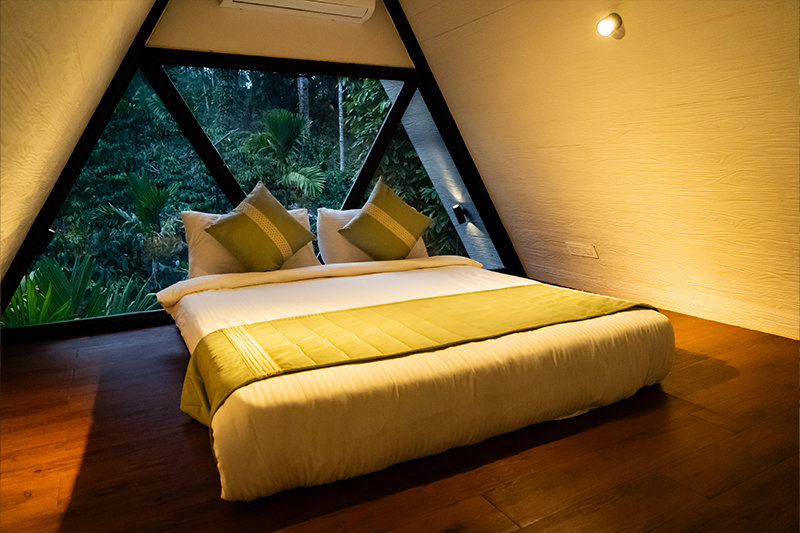
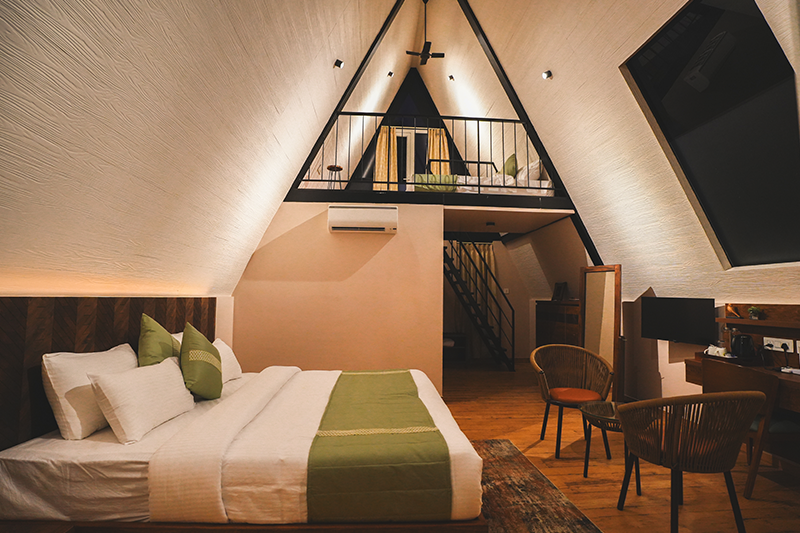
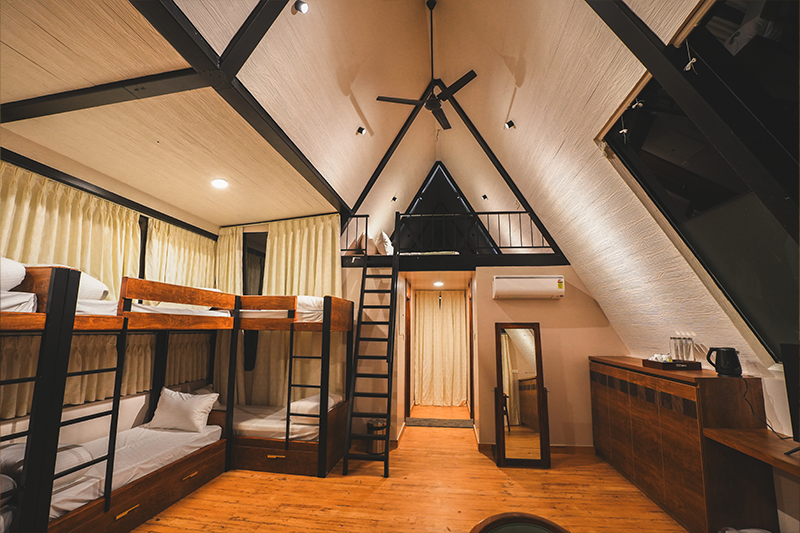
Madikeri: Convenient for the Madikeri cluster. Can be busy during peak season. Kushalnagar: Good base for Bylakuppe, Nisargadhama, Dubare, and Nagarhole. Virajpet / South Coorg: Quieter, plantation-focused. INIKA Resorts at Kuttandi near Virajpet offers cottages within a coffee estate, an infinity pool, and plantation experiences — a solid base for South Coorg attractions with enough on-property character that you don’t need to sightsee every day.
Practical Tips
- Carry cash. Many attractions and eateries don’t accept cards.
- Start early. Abbey Falls, Dubare, and Mandalpatti are best before 10 AM.
- Fuel up in Madikeri or Kushalnagar. Petrol stations are sparse on rural routes.
- Monsoon gear (Jun–Sep): waterproof shoes, rain jacket, dry bags for phones.
- Eat local. Pandi curry, akki rotti, kadambuttu, and filter coffee are part of the experience.
- Respect wildlife zones. Follow park rules at Nagarhole and Dubare.
Frequently Asked Questions
How many days do I need for Coorg?
Three days covers the highlights. Four to five days lets you include trekking, the Somwarpet cluster, and unhurried resort time.
Which are the best places in Coorg for families?
Nisargadhama, Raja’s Seat, Namdroling Monastery, Dubare Elephant Camp, and Nagarhole National Park are the strongest family-friendly options.
Which places are most romantic for couples?
Mandalpatti at sunrise, Chiklihole Reservoir at sunset, Abbey Falls, and Talakaveri viewpoint.
Is Coorg safe for families with children?
Yes. Most attractions are accessible and well-maintained. Avoid treks (Tadiandamol, Kotebetta) with very young children, and exercise caution near waterfalls during monsoon.
Which is the best waterfall in Coorg?
Abbey Falls is the most accessible and popular. Mallalli Falls is the most dramatic. Iruppu Falls combines scenic beauty with a forest trek.
Is Nagarhole National Park part of Coorg?
It sits on the Kodagu-Mysore border. Technically shared, but it’s commonly included in Coorg itineraries and is about 60 km from Madikeri.
Can I visit all 21 places in 2 days?
No. You can cover 6–8 comfortably. The rest require additional days. Prioritize by cluster and interest.
Which places are best during monsoon?
Abbey Falls and Mallalli Falls are at their most powerful. Raja’s Seat gets dramatic cloud views. Avoid Mandalpatti (road safety) and Nagarhole (partial closure).
Is Bylakuppe worth visiting?
Absolutely. The Namdroling Monastery is visually stunning, culturally unique, and free to enter. It’s one of the top 3 attractions in the Coorg region.
What is the best base for sightseeing in Coorg?
Madikeri for the northern and central attractions. Virajpet for the southern cluster and a quieter, plantation-focused stay.
Coorg rewards travelers who slow down. Pick your cluster, give each place the time it deserves, and leave a day for the plantation, the pool, and the coffee — the landscape between the attractions is half the experience.
Explore more:

4 comments on “21 Best Places to Visit in Coorg Madikeri”