



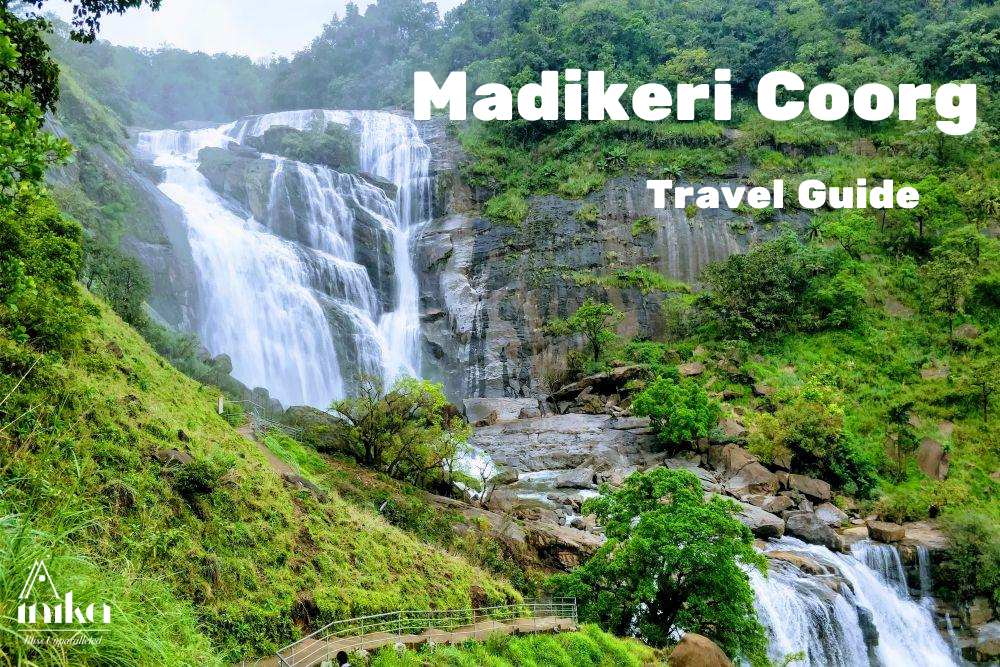
July reveals a different side of Coorg, where mist-covered hills, rain-washed coffee plantations, overflowing streams, dramatic clouds, and deep green forests create beautiful photography opportunities. This Photography Guide is designed for travellers, beginners, smartphone users, and experienced photographers who want to capture Coorg’s monsoon atmosphere while protecting their equipment and exploring the region safely.
Coorg Monsoon Photography Guide at a Glance
Monsoon photography in Coorg is about capturing mood rather than waiting for perfect sunshine. July brings changing light, soft mist, wet landscapes, flowing water, reflections, and intense greenery, allowing photographers to create a varied collection of landscapes, close-ups, lifestyle photographs, and travel memories.
What Makes Coorg So Photogenic in July?: Coorg becomes especially photogenic during July because rain transforms its hills, plantations, and forests into rich layers of green while mist creates depth across the landscape. Wet roads, cloudy skies, plantation trails, waterfalls, and small natural details provide endless subjects for photographers willing to slow down and observe their surroundings.
What Types of Photos Can You Capture During the Monsoon?
During a monsoon trip, you can photograph misty landscapes, coffee estates, waterfalls, forest trails, rain droplets, wildlife, local architecture, portraits, resort experiences, and everyday travel moments. Combining wide scenes with smaller details can help create a more complete visual story of Coorg in July.
Quick July Photography Planning Table
| Photography Subject | Best Time | Recommended Location Type | Useful Equipment | Difficulty Level |
| Misty landscapes | Early morning | Hills and viewpoints | Wide-angle lens | Easy |
| Coffee plantations | Morning | Plantation areas | Standard lens | Easy |
| Waterfalls | Overcast periods | Waterfall locations | Tripod and ND filter | Moderate |
| Rain droplets | After rain | Gardens and plantations | Macro lens or phone | Easy |
| Wildlife | Early morning | Forest edges | Telephoto lens | Moderate |
| Lifestyle photos | Morning or evening | Resort surroundings | Phone or standard lens | Easy |
Why July Is a Unique Month for Photography in Coorg
July creates a visual atmosphere that is difficult to experience during the dry season. Clouds move quickly across hills, rain intensifies natural colours, waterfalls become more dramatic, and mist changes familiar landscapes within minutes, making every photography session feel different.
Misty Hills and Dramatic Monsoon Skies: Mist can hide distant details and create natural layers between hills, while dark clouds add drama to landscape photographs. Including trees, roads, people, or plantation edges in the foreground can improve depth and make atmospheric photographs feel more balanced.
Rain-Washed Coffee Plantations and Forests: Rain refreshes coffee plants, trees, pepper vines, and forest vegetation, giving plantations a clean and vibrant appearance. Wet pathways and shaded greenery provide opportunities for both wide environmental photographs and close-up images focused on textures and natural patterns.
Powerful Waterfalls and Flowing Streams: Waterfalls and streams often become visually stronger during the monsoon, making July an exciting period for water photography. Photographers can experiment with fast shutter speeds to freeze movement or slower exposures to create a smooth, flowing effect while always remaining within safe viewing areas.
Rain Droplets, Reflections, and Macro Photography: Some of the most creative monsoon photographs come from small details such as droplets on leaves, reflections in puddles, wet flowers, and water running across natural surfaces. These subjects are ideal for photographers who enjoy close-up photography and want to capture the quieter beauty of the rainy season.
Soft Natural Light for Atmospheric Photography: Cloudy weather often creates softer and more balanced light than bright midday sunshine, making it useful for portraits, forests, plantations, and waterfalls. Since light conditions can change quickly, photographers should remain flexible and be ready to capture a scene whenever interesting light appears.
Best Subjects to Photograph in Coorg During July
Coorg offers a wide range of photography subjects during the monsoon, and the best collections usually include more than scenic viewpoints. Landscapes, plantations, wildlife, cultural details, people, rain, and resort experiences can all contribute to a richer travel story.
Mist-Covered Mountains and Valleys: Layered hills disappearing into mist create some of the most atmospheric photographs in Coorg. Using a visible foreground, such as a tree or pathway, can add scale and depth while helping viewers understand the size of the surrounding landscape.
Coffee Plantations After the Rain: Coffee plantations are ideal for photographing natural lines, shaded paths, wet leaves, and rich textures. Around Virajpet, plantation scenery can provide peaceful compositions that reflect both Coorg’s natural character and its strong connection with coffee-growing traditions.
Monsoon Waterfalls and Streams: Waterfalls and smaller streams create opportunities to experiment with movement, reflections, and composition. A tripod can help when using slower shutter speeds, although handheld photographs can also work well when the goal is to freeze water and capture its power.
Forest Trails and Tropical Greenery: Forest paths provide natural leading lines and layers of vegetation that are perfect for atmospheric travel photography. Walking slowly can help you notice moss, wet bark, leaves, and other details while also reducing the risk of slipping on wet trails.
Birds, Butterflies, and Small Wildlife: Natural areas and plantations may provide opportunities to photograph birds, insects, and small wildlife. Patience and respectful distance are essential, and photographers should avoid disturbing animals simply to achieve a closer or more dramatic image.
Rain-Drenched Flowers, Leaves, and Coffee Plants: Close-up photographs of wet flowers, leaves, and coffee plants can reveal details that are often missed in wider scenes. A simple background and careful focus can turn an ordinary leaf or water droplet into an attractive photograph.
Traditional Coorg Architecture and Local Life: Photographing homes, village roads, local architecture, and everyday moments can add cultural context to your travel collection. Always respect privacy and ask permission before taking close photographs of people or entering private property.
Luxury Resort and Lifestyle Photography: Monsoon photography is also about capturing the feeling of the journey through warm interiors, coffee beside a rainy window, quiet garden walks, and relaxed moments. These photographs add a personal dimension and help tell the complete story of a stay in Coorg.
Best Photography Spots in Coorg During the Monsoon
The best photographs are not always taken at the busiest tourist attractions. Coffee plantations, countryside roads, waterfalls, forest areas, viewpoints, and quiet locations around Virajpet can all offer excellent opportunities for photographers seeking variety.
Coffee Plantations Around Virajpet: Virajpet is surrounded by coffee-growing landscapes, making it ideal for plantation photography. Visitors should remain on public paths or use authorised plantation experiences, as many estates are privately owned.
Misty Viewpoints and Hill Landscapes: Elevated viewpoints provide opportunities to photograph layered hills, clouds, and valleys, although visibility can change quickly during July. Patience is important because a completely misty scene can suddenly reveal a beautiful landscape when the clouds begin to move.
Waterfalls for Dramatic Monsoon Photography: Waterfalls such as Abbey Falls and Iruppu Falls can appear particularly dramatic during the rainy season. Visitors should remain in designated viewing areas and avoid slippery rocks or strong currents while looking for safe compositions.
Forests and Nature Trails for Close-Up Photography: Forests and nature trails are excellent for photographing moss, leaves, tree bark, insects, and small streams. These locations encourage photographers to slow down and notice details that are often overlooked when focusing only on major attractions.
Quiet Countryside Locations Away From Tourist Crowds: Simple countryside scenes can produce some of the most original photographs, including winding roads, plantation fences, distant hills, wet fields, and small bridges. Exploring less crowded areas can create a more personal visual story of Coorg.
Photography Opportunities Around Inika Resort: Inika Resort’s location amid the coffee plantation landscape of Virajpet creates opportunities to photograph greenery, natural details, quiet resort moments, changing weather, and monsoon-inspired lifestyle scenes without needing to travel far for every photograph.
Best Time of Day for Photography in Coorg in July
Photography conditions can change throughout the day, so flexibility is more useful than following a strict schedule. Early mornings and periods after rainfall are often particularly rewarding, but dramatic light can appear unexpectedly at almost any time.
Early Morning for Mist and Soft Light: Early mornings can provide quieter surroundings, gentle light, and atmospheric mist. Starting early also gives photographers more freedom at popular locations before visitor numbers increase.
After a Rain Shower for Rich Colours and Reflections: Immediately after rainfall, leaves appear brighter, surfaces reflect the sky, and droplets remain visible on plants. This is an excellent time for landscape, close-up, and reflection photography.
Late Afternoon for Dramatic Clouds and Landscapes: Late afternoon can create interesting combinations of clouds and directional light. Even without a colourful sunset, changing skies can add mood and depth to landscape photographs.
Golden Hour Photography on Clear Monsoon Days: When clouds briefly clear near sunrise or sunset, warm light can enhance wet landscapes, plantations, and portraits. Since clear golden-hour conditions are unpredictable during July, photographers should treat them as a welcome opportunity rather than an expectation.
When to Avoid Outdoor Photography During Heavy Rain: Avoid photography when rain creates poor visibility, dangerous water flow, slippery slopes, or difficult travel conditions. No photograph is worth risking personal safety or damaging expensive equipment.
Camera Settings for Coorg Monsoon Photography
Camera settings should change according to light, movement, and the desired creative effect. Understanding shutter speed, aperture, ISO, and exposure compensation can help photographers adapt quickly to unpredictable monsoon conditions.
Recommended Settings for Misty Landscapes: For misty landscapes, use a relatively low ISO when light allows and choose an aperture that keeps enough of the scene sharp. Check exposure carefully because mist can sometimes cause photographs to appear darker or flatter than expected.
Camera Settings for Waterfall Photography: Use slower shutter speeds when you want smooth-looking water and faster speeds when you want to freeze motion. A tripod is particularly helpful for longer exposures in low-light conditions.
Settings for Rain and Moving Water: Faster shutter speeds can freeze individual drops and splashes, while slower speeds create visible movement. Experiment with different settings because both approaches can produce creative results.
Macro Settings for Rain Droplets and Plants: Use close focusing and carefully select the main focus point when photographing droplets or small natural subjects. A stable camera position can improve sharpness when working at close distances.
Tips for Shooting in Low-Light Monsoon Conditions: Increase ISO only when needed, use image stabilisation if available, and keep the camera steady. A tripod can help with static scenes, while a suitable shutter speed is important when photographing people or moving subjects.
When to Use a Tripod, Polarising Filter, or ND Filter: Tripods are useful for long exposures, ND filters help reduce light when photographing moving water, and polarising filters can control reflections. These tools are helpful but not essential for every photographer.
Smartphone Photography Guide for Coorg in July
Smartphones can capture excellent monsoon photographs when used carefully. Clean the lens regularly, pay attention to composition, adjust exposure manually, and protect the device from rain.
How to Capture Better Monsoon Photos With Your Phone: Tap the main subject to focus, adjust brightness if necessary, and use natural lines or foreground elements to improve composition. Avoid relying entirely on digital zoom because it can reduce image quality.
Using Portrait, Macro, and Night Modes Effectively: Use portrait mode when the subject is clearly separated from the background, macro mode for close details, and night mode mainly for still scenes in low light. Choosing the correct mode can improve results without complicated editing.
How to Photograph Mist Without Losing Detail: Reduce exposure slightly if bright mist loses detail and include darker objects in the foreground to add contrast. Trees and people can also provide scale.
Tips for Capturing Waterfalls With a Smartphone: Use the main camera, keep the phone stable, and experiment with motion or long-exposure features if available. Always choose a safe position rather than moving closer to dangerous water.
Simple Editing Tips for Natural-Looking Monsoon Photos: Make small adjustments to brightness, contrast, shadows, and highlights while keeping colours realistic. Avoid excessive saturation because Coorg’s monsoon greenery is naturally vibrant.
Essential Photography Gear to Pack for Coorg in July
A good monsoon photography kit should focus on protection and convenience. Carry only the equipment you genuinely need so you can move comfortably in changing weather.
Camera and Lens Recommendations: A standard zoom or wide-angle lens is suitable for landscapes and travel photography, while a telephoto lens is useful for distant subjects. Smartphone photographers can manage most everyday scenes without additional equipment.
Waterproof Camera Protection: Use a rain cover or water-resistant camera bag, even if your equipment has weather sealing. Prolonged exposure to rain can still create problems.
Lens Cleaning and Moisture Protection Essentials: Carry several dry microfibre cloths and keep them in a waterproof compartment. Lens cleaning is particularly important because water droplets can easily affect photographs.
Tripods, Filters, and Useful Accessories: A compact tripod, ND filter, spare batteries, waterproof pouches, and a power bank can be useful depending on your photography style and daily plans.
What Smartphone Photographers Should Carry: A waterproof phone pouch, power bank, lens cloth, protective case, and compact tripod can make smartphone photography easier and safer.
Photography Packing Checklist
| Item | Why You Need It | Essential or Optional |
| Camera or smartphone | Main device | Essential |
| Waterproof bag | Rain protection | Essential |
| Lens cloth | Removes water droplets | Essential |
| Spare power | Longer sessions | Essential |
| Tripod | Long exposures | Optional |
| ND filter | Water photography | Optional |
| Dry pouch | Protects accessories | Essential |
How to Protect Your Camera and Photography Gear From Monsoon Rain
Keep equipment covered whenever it is not being used, store batteries and memory cards in dry pouches, avoid unnecessary lens changes in heavy rain, and wipe equipment carefully after each outdoor session.
Creative Coorg Monsoon Photography Ideas
Try photographing mist moving through plantations, reflections on wet roads, leaves framing distant hills, long-exposure waterfalls, droplets, people enjoying the weather, and small moments that help your photographs tell a complete story rather than simply documenting attractions.
A Photography Shot List for Your Coorg July Trip
Create a balanced collection that includes landscapes, coffee plantations, waterfalls, rain, wildlife, local details, resort moments, and unexpected subjects discovered during the journey.
Common Monsoon Photography Mistakes to Avoid
Avoid overediting greenery, ignoring droplets on the lens, carrying unnecessary equipment, depending on one weather condition, entering restricted areas, and risking your safety for a better camera angle.
Safety and Responsible Photography During the Coorg Monsoon
Stay away from strong currents and slippery edges, respect private plantations, avoid disturbing wildlife, follow local instructions, and leave natural surroundings unchanged after taking photographs.
How to Plan a Photography-Focused Stay in Virajpet
Choose accommodation close to natural surroundings, keep mornings flexible, plan outdoor sessions around rain breaks, and allow enough time to enjoy the destination instead of turning every moment into a rushed photography assignment.
Combine Photography With a Relaxed Plantation Experience: A stay at Inika Resort can allow travellers to combine photography with relaxation, using the surrounding coffee plantation landscape and peaceful environment as inspiration while enjoying a slower and more meaningful monsoon escape.
Conclusion
Coorg in July offers photographers a beautiful combination of mist, rain, coffee plantations, waterfalls, greenery, and quiet travel moments. Whether you use a professional camera or a smartphone, patience and flexibility can help you capture images that genuinely reflect the atmosphere of the monsoon. Surrounded by the peaceful plantation landscapes of Virajpet, Inika Resort provides a relaxing base where guests can slow down, reconnect with nature, and experience the photographic beauty of Coorg throughout their stay.