

If you want one answer: book November. It gives you post-monsoon greenery, comfortable weather, manageable crowds, and access to every outdoor experience Coorg offers. For most couples visiting for the first time, November hits the right balance.
But November is not the only right answer — it is the safest one. The best time to visit Coorg for a honeymoon depends on what kind of romantic experience matters to you, and that varies more than most travel guides acknowledge.
October through February is the strongest overall honeymoon window. Within it, October–November delivers the greenest landscapes with improving weather. December–February gives you the coolest temperatures and the driest skies — but also the largest crowds.
June through September is monsoon. Dramatic, green, private, and genuinely romantic if you are the kind of couple who wants rain on the roof and coffee in bed. But it demands flexibility, waterproof gear, and the willingness to let the weather set your schedule.
March to May works for couples escaping hotter cities. Coorg’s altitude keeps it more comfortable than the plains, though this is not the cool, misty Coorg of the postcards.
There is no single best month for every couple. A pair who wants waterfall photography in October will plan a fundamentally different trip from a pair who wants to read together in a cottage while July rain hammers the coffee plants outside. This guide breaks down every month and every season so you can match Coorg’s weather to what you actually want from your honeymoon.
For general seasonal travel planning beyond honeymoons, see our complete Coorg seasonal guide.
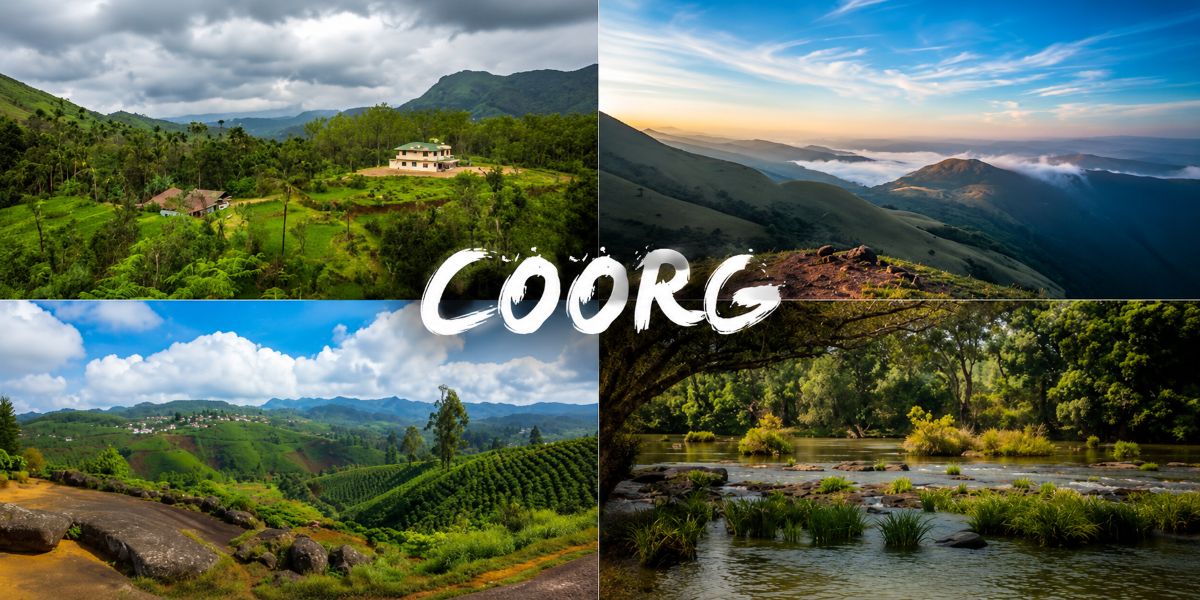
Coorg Honeymoon: Best Time at a Glance
| What You Want | Best Months | Quick Take |
|---|---|---|
| Best overall honeymoon season | October to February | The widest window of comfortable, reliable weather for couples |
| Cool weather and jacket mornings | December, January | Coldest months — mornings can drop to 10–12°C at higher elevations |
| Greenery and lush landscapes | July, August, September, October | Monsoon and post-monsoon — the landscape at its most intense |
| Monsoon romance (rain, mist, privacy) | July, August | Full monsoon — resort-focused, deeply atmospheric, very quiet |
| Fewer crowds | June–September (off-season), weekdays in October–November | Avoid December–January and May weekends entirely if privacy matters |
| Outdoor sightseeing freedom | October, November, December, January, February | Dry weather, accessible roads, comfortable temperatures all day |
| Coffee plantation experiences | Year-round, but harvest roughly Nov–Feb, flowering roughly Mar–Apr | Exact timing varies annually — every season offers a different plantation character |
| Photography | October, November | Green landscape + clean post-monsoon light — the best combination |
| Quiet resort-focused honeymoon | June–September, or any season on weekdays | Off-season means emptier properties; weekdays help in any month |
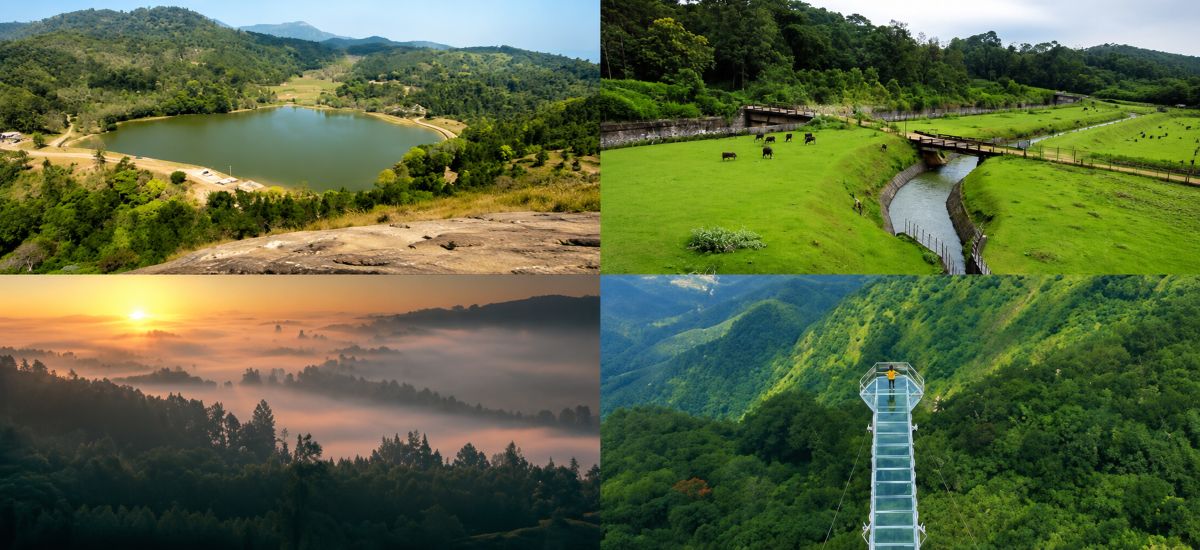
Coorg Honeymoon Season Comparison
| Winter (Oct–Feb) | Summer (Mar–May) | Monsoon (Jun–Sep) | |
|---|---|---|---|
| Typical Weather | Cool mornings/evenings (10–15°C in Dec–Jan), pleasant daytime (22–28°C). Mostly dry. | Warm afternoons (can reach 30–35°C in lower areas), pleasant mornings/evenings. Pre-monsoon showers possible in May. | Cool and wet (20–25°C). Steady to heavy rain, particularly July–August. Misty. |
| Honeymoon Vibe in One Line | Clear mornings, jacket weather, full outdoor days | Pool by noon, plantation walk at dawn, warm evenings | Rain on the roof, coffee in bed, nowhere to rush |
| Romantic Atmosphere | High — clear nights, comfortable outdoor time, good light for walks and drives | Moderate — mornings and evenings are pleasant; midday heat can push you indoors | High for rain lovers — mist, green intensity, cosy cottage time. Low if you need outdoor freedom. |
| Greenery | Oct–Nov: lush post-monsoon. Dec–Feb: gradually drying but still attractive. | Moderate — greener than plains but not monsoon-level. | Peak. Everything is saturated and alive. |
| Rain | Minimal (occasional light showers in early October) | Low, except pre-monsoon showers in late May | Heavy and sustained, especially July–August |
| Crowd Level | Dec–Jan: high (holiday season). Oct–Nov: moderate. Feb: moderate. | Moderate to high in May (school holidays). Mar–Apr: quieter. | Low — genuine off-season |
| Best Couple Activities | Scenic drives, plantation walks, waterfall visits, outdoor dining, photography | Morning nature walks, plantation tours, pool time, evening drives | Resort relaxation, rainy morning coffee, waterfall viewing (from safe distance), mist walks, reading together |
| Best For | First-time honeymooners, couples wanting sightseeing + relaxation, photography trips | Couples escaping Bangalore/Chennai/Hyderabad heat, those wanting a less cold hill station | Rain-loving couples, privacy seekers, couples happy with a resort-centric honeymoon |
| Potential Drawback | Dec–Jan holiday crowds; some spots feel busy on weekends | Afternoons can be genuinely warm; not the dramatic green of monsoon | Outdoor plans disrupted by rain; road conditions can deteriorate; leeches on forest trails |
| Our Verdict | Safest all-round pick for most honeymooners | Good fallback if winter dates don’t work — plan around mornings and evenings | Deeply rewarding if you know what you’re signing up for. Not the month for a sightseeing-heavy trip. |
Temperature ranges are approximate and vary year to year. Mountain weather shifts quickly — always check forecasts before travelling.
Month-by-Month Honeymoon Guide for Coorg
January
January mornings in Coorg can genuinely surprise you. Step out of your cottage at 7 AM and the air has a bite to it — 10–12°C at higher elevations, cold enough that your coffee steams visibly. By 10 AM, it’s a different place: warm sun, clear sky, comfortable mid-20s°C. That temperature swing — jacket at dawn, T-shirt by noon — is part of what makes winter Coorg feel alive.
Rain is essentially absent. Every outdoor activity is on the table: scenic drives to Mandalpatti, walks through coffee estates, Abbey Falls, the works. The landscape holds some post-monsoon colour, though it’s not as intensely green as October.
Crowds: Steady tourist flow, especially Republic Day weekend and the tail end of New Year season. Weekday travel makes a noticeable difference.
Book January if: You want reliable cool weather and full outdoor access. This is a safe, low-risk month for couples who dislike both heat and rain.
Skip January if: You want peak greenery or total privacy — October and November serve both better.
Pack: Warm layers for mornings/evenings, comfortable walking shoes, sunscreen for clear-sky altitude sun.
February
February is January with the volume turned down slightly. Same character — cool mornings, pleasant days, almost no rain — but the cold edge softens toward the month’s end. Still one of the most comfortable months for walking, driving, and being outdoors.
What makes February interesting for couples: coffee harvest may still be in progress on some estates. Seeing workers picking ripe cherries, drying beds spread out in the sun — it adds visual texture to plantation walks that you don’t get in every season.
Valentine’s week caveat: Mid-February sees a predictable spike in couple bookings at popular resorts. If you’re travelling around the 14th, book accommodation well ahead. If you’re flexible, the week before or after Valentine’s is the smarter play — same weather, less demand.
Book February if: You want winter comfort without December’s holiday crowds. A quietly romantic month.
Pack: Light layers, one warm jacket for mornings, walking shoes.
March
Skip March unless your dates are locked.
That’s not because it’s a bad month — it’s perfectly fine. Mornings are pleasant, evenings are comfortable, rain is negligible. But it sits in a middle ground: not cool enough to feel like a hill-station escape, not warm enough to justify pool-centric planning, not green enough to be visually dramatic.
If you are visiting in March, plan your outdoor time for before 10 AM or after 4 PM. Afternoons warm up to 28–30°C in some areas. Plantation walks work well in the early morning. The landscape is drying compared to post-monsoon but still looks green by plains standards.
Crowds: Moderate. Not peak season. Accommodation availability is usually good.
Book March if: You missed the winter window and want to visit before it gets properly warm. A decent compromise month.
Pack: Light cotton clothing, sunscreen, sunglasses, one light layer for evenings.
April
The warmest month so far. Afternoons can reach the low 30s°C in lower-lying areas around Virajpet and can push higher on some days. Madikeri at its higher elevation stays slightly cooler but is still noticeably warm by Coorg standards.
Here’s the honest comparison, though: Coorg in April is still meaningfully more comfortable than Bangalore in April, and significantly more comfortable than Chennai or Hyderabad. You’ll notice the altitude difference, especially in the mornings and after sundown.
Coffee flowering sometimes happens around March–April — timing depends on rainfall patterns and is not guaranteed. If you catch it, the air around the plantation fills with a distinctive sweet fragrance from the white blossoms. It’s brief, it’s unpredictable, and it’s memorable.
Book April if: You’re escaping city heat and want a quieter travel period. Expect warm days and pleasant evenings.
Skip April if: You specifically want that cool, misty Coorg experience. Choose November–January instead.
Pack: Light breathable clothing, sunscreen, hat, comfortable sandals, one light layer for air-conditioned rooms.
May
The warmest and busiest summer month. School holidays bring families, groups, and weekend crowds to Madikeri and popular spots. Afternoons are hot. By late May, pre-monsoon clouds build and scattered showers start testing the season’s edge.
For honeymooners, May is not ideal. Crowds reduce privacy. Heat limits comfortable outdoor time. The romantic Coorg atmosphere — mist, cool air, quiet — is largely absent.
Book May only if: Your dates leave no alternative. Choose a resort with a good pool, plan mornings-only outings, and accept that this is a “retreat from the city” honeymoon rather than a “Coorg experience” honeymoon.
Pack: Summer clothing, rain jacket for late-May showers, sunscreen, insect repellent, refillable water bottle.
June
Monsoon’s opening act. Early June can still feel like a warm, cloudy extension of summer. By the second or third week, the rain arrives properly — and when it arrives, everything changes. Temperatures drop to the low-to-mid 20s°C. The air cools. Greens deepen. The landscape begins the transformation that will peak in July and August.
June is unpredictable, which is both its risk and its charm. You might get three dry mornings in a row, or rain from the moment you arrive. Couples who enjoy watching weather — who find something romantic about the sky deciding their day — will appreciate June. Those who need certainty will not.
Crowds: Tourism drops sharply. The off-season begins.
Book June if: You want to watch the monsoon arrive. A resort-focused honeymoon with flexible sightseeing windows.
Pack: Rain jacket, waterproof closed-toe footwear, umbrella, quick-dry clothing, warm layer for cool rainy evenings.
July
This is the month that divides couples.
Peak monsoon. Heavy, sustained rain — Coorg receives some of the heaviest rainfall in Karnataka, and July bears a large share of it. Mist sits on the hills for hours. Visibility changes by the hour. Everything is an almost unreasonable shade of green — the kind of saturated colour that photographs never quite capture.
Here is what a July morning at a plantation property actually looks like: you wake to the sound of rain that’s been falling since 3 AM. The mist is so thick you can barely see the coffee plants twenty metres from your window. You make coffee — or someone brings it to your door — and you sit together watching the rain. By 9 AM, the mist lifts slightly. By 10, it rolls back in. You don’t go anywhere. You don’t need to.
That’s the July honeymoon. If reading that made you feel restless and frustrated, this is not your month. If it made you feel calm, book it.
Roads: Can become slippery or muddy in rural areas. Some trekking routes close. Waterfalls are at full force — watch from designated viewpoints only. Do not approach swollen rivers or falls.
Crowds: Almost none. Resort common areas may feel like yours alone.
Book July if: You’re rain lovers. Introverts. Couples who measure a honeymoon by slow hours, not sights ticked off.
Pack: Waterproof everything — jacket, shoes, bag covers. Insect repellent. Warm layer. Extra socks. Avoid white clothing. Umbrella.
August
August is July’s twin — same rain, same green, same trade-offs. If anything, August can produce even heavier bursts. The landscape is at its absolute peak, and the privacy is absolute.
The honest truth: there’s not enough difference between July and August to write a separate essay about each. If you’re choosing between them, pick the one that fits your calendar. Both demand the same mindset: flexibility, waterproof gear, and a resort you’re happy to spend most of your time at.
Pack: Same as July.
September
The monsoon begins releasing its grip, but it doesn’t let go cleanly. Early September is often still wet. The second half starts opening up — clear mornings appear, sometimes stretching into full dry days. Temperatures remain cool and pleasant.
September is the month for couples who want a taste of monsoon Coorg without committing fully. The greenery is still extraordinary, and by late September, you can start venturing out for short drives and walks with reasonable confidence.
Book September if: You want monsoon atmosphere with improving odds of dry windows. Off-season rates may still apply at some properties, though this varies.
Don’t expect: Guaranteed dry weather, especially early September.
Pack: Monsoon essentials, but slightly lighter gear than July–August. A rain jacket is still non-negotiable.
October
If November is the safest recommendation, October is the insider one.
The rain has receded. The landscape is carrying the full weight of monsoon green — hills, plantations, roadsides, everything is lush and saturated. Waterfalls are flowing strongly from months of accumulated rain. But now you can actually get out and experience it. Roads are drying. Skies are clearing. Temperatures are comfortable — warm enough during the day that you don’t need layers, cool enough in the evening that sitting outside after dinner feels right.
October light is special. The rain-washed air provides a clarity that you don’t get during summer haze or the flat overcast of deep monsoon. For couples who care about photography — not just snapshots, but genuinely good images of the two of you in this landscape — October and November offer the best conditions of the year.
Crowds: Noticeably lower than December–January. Tourism is picking back up but hasn’t peaked. This is one of the best windows for couples who want beauty and relative quiet at the same time.
One caveat: Early October (first week or two) can still produce showers, especially in areas closer to the Ghats. Pack a light rain jacket just in case.
Book October if: You want post-monsoon Coorg at its most beautiful without December crowds. Photographer couples should seriously consider this month.
Pack: Light layers, one rain jacket (just in case), walking shoes, camera.
November
November is the default recommendation in this guide, and it earns that position.
Weather is reliably pleasant — comfortable days, cool evenings, very little rain. The landscape still holds deep post-monsoon green, richer than what you’ll find in December or January. Waterfalls flow well. Every outdoor activity is accessible. Scenic drives feel rewarding rather than hazing through summer heat or dodging monsoon downpours.
Coffee harvesting may begin on some estates around this time (timing is crop-dependent and varies annually). If you catch it, you’ll see workers picking ripe red cherries and drying beds spread across the estate — a visual and sensory layer that adds character to plantation walks.
Crowds: Moderate, rising toward month’s end as holiday-season travel begins. Early-to-mid November is the sweet spot.
Book November if: You’re a first-time Coorg visitor and want the most balanced possible honeymoon experience. Or if you and your partner can’t agree on a month — November is usually the compromise that makes everyone happy.
Pack: Light layers, warm jacket for evenings, comfortable walking shoes.
December
The most popular month. Christmas and New Year holidays, cool weather (10–15°C mornings, comfortable 22–26°C days), and mostly clear skies make December the default recommendation in every generic travel guide.
The weather deserves its reputation. Mornings are cool enough to make that first cup of coffee feel essential. Mist burns off by mid-morning to reveal clear, bright views. Every outdoor activity — drives, falls, viewpoints, walks — is accessible all day. The atmosphere is undeniably romantic.
But here’s what the other guides don’t tell you clearly enough: December is busy. Accommodation fills up weeks in advance. Abbey Falls sees queues. Raja’s Seat has tour groups. The roads around Madikeri town carry noticeably more traffic. Popular resorts feel full.
This doesn’t ruin a December honeymoon — it means you need to plan around it. Book early. Travel midweek if possible. Stay in southern Coorg (Virajpet area) rather than right in Madikeri. Choose a property with enough grounds that you don’t need to leave every day.
Book December if: You want guaranteed good weather and don’t mind planning around crowds. Holiday-season celebrations add to the atmosphere if you enjoy that energy.
Skip December if: Privacy and quiet are your top priorities. October, November, or February give you similar weather with significantly fewer people.
Pack: Warm jacket, sweater, thermals if you run cold, comfortable walking shoes, sunscreen.
Coorg Honeymoon in Winter: October to February
Winter is the safest season for most honeymooners, and this section explains why — but also helps you pick which winter month suits you best.
What makes winter romantic in Coorg:
Cool mornings encourage sleeping in. The temperature difference between 7 AM and noon is dramatic — you genuinely need a jacket at dawn and are comfortable in a T-shirt by midday. That variability creates a rhythm: slow warm starts, active comfortable middays, cool evenings that make you want to sit close together outdoors.
Scenic drives are at their best. The Madikeri–Virajpet road, the climb to Mandalpatti, the route toward Iruppu Falls — these drives reward you with clear views, visible valleys, and the Western Ghats spread out in layers rather than hidden behind monsoon cloud. You can drive with windows down and actually enjoy it.
Plantation walks hit their stride. Without rain making paths slippery or heat making you rush, couples can spend an unhurried hour walking through a coffee estate — between the rows, under the shade trees, past drying beds — without worrying about the sky.
Photography conditions are strong throughout. Consistent light, clear backgrounds, rich post-monsoon colour in October–November, and comfortable temperatures for extended outdoor shoots.
Choosing within winter:
- October: Greenest. Quieter. Slight rain risk early on.
- November: Best overall balance. Green, dry, moderate crowds. The recommended default.
- December: Coolest. Busiest. Best weather, but plan around holiday crowds.
- January: Cold mornings. Steady tourist flow. Good all-round conditions.
- February: Warming slightly. Valentine’s spike aside, crowds are lower. Harvest activity on some estates.
What to consider:
If privacy matters, avoid December and January weekends. October, November, and February deliver similar weather with meaningfully fewer people.
Pack warm layers for mornings and evenings. Most resort rooms in Coorg don’t have heating — your fleece and extra blanket are your heating system.
Coorg Honeymoon in Summer: March to May
Summer in Coorg is warmer than winter but still more comfortable than most South Indian cities at the same time. The altitude makes a real difference — not enough to call it cool, but enough that mornings and evenings feel distinctly pleasant compared to the plains.
What works for couples in summer:
The natural rhythm of a summer day in Coorg suits honeymooners who don’t need a packed schedule. Early mornings (6:30–9:30 AM) are the best outdoor window — plantation walks, drives, viewpoint visits. Midday is pool time, reading time, nap time. Late afternoons open up again for a drive or a walk before dinner.
Resorts with pools become essential rather than optional in summer. If you’re booking a March–May honeymoon, make pool access a non-negotiable criterion.
The landscape is drier and less dramatically green than post-monsoon, but if you’ve never visited Coorg before, it will still feel lush compared to Bangalore or the Tamil Nadu plains.
Coffee flowering — when it occurs, typically around March or April — fills plantation air with a distinctive sweet fragrance from white blossoms. The flowering period is brief and weather-dependent, so catching it requires some luck. But if you do, the scent alone makes a morning walk memorable.
Who should choose summer:
Couples with work/holiday constraints that make winter impossible. Those coming from hotter cities who want relative relief. Couples who are primarily resort-focused and plan to spend midday indoors.
Who should choose a different season:
Couples who specifically want cool, misty Coorg. Those planning a photography-heavy trip (summer light can be harsh midday). Anyone who wants the full green landscape.
Coorg Honeymoon During Monsoon: June to September
This is where you need to be honest with yourself about what kind of honeymoon you actually want.
A romantic monsoon honeymoon looks like this: mornings waking up to rain that’s been falling all night. Coffee brought to your room while mist sits so thick on the plantation that the trees thirty metres away are just outlines. The smell of wet earth and coffee leaf. Unexpected hours spent talking, reading, doing nothing in particular — because the rain has cancelled your sightseeing plans and given you permission to simply be together. An evening campfire that goes ahead despite drizzle because the resort knows how to manage it. A walk between showers where every surface is wet and reflective and the green is so intense it feels artificial.
A sightseeing-heavy honeymoon during monsoon looks like this: cancelled drives. Muddy trails. A viewpoint you drove an hour to reach, invisible behind cloud. Slippery paths where you’re watching your feet instead of the scenery. The nagging feeling that you’re missing what you came for. Frustration.
If you want the first version, monsoon Coorg can be one of the most atmospheric honeymoon experiences in South India. If you want the second, choose October or later.
What monsoon genuinely offers couples:
Privacy is the biggest advantage. Tourist numbers drop sharply from June onward. Resorts that feel full in December may feel like they belong to you in July. For couples who value intimate space over activity — who don’t want to share a breakfast hall with three other families — this matters.
The landscape is at its absolute peak. The intensity of green during Coorg’s monsoon is deeper than photographs convey. Every surface — roof tiles, stone walls, tree bark — is wet and reflective. Mist creates constantly shifting compositions. It’s visual in a way that no other season matches.
Your resort becomes the honeymoon, not just a place to sleep. This is key. A well-chosen property with comfortable cottages, decent food, and pleasant grounds to walk between showers becomes the entire experience. The choice of where you stay matters more during monsoon than any other season.
What monsoon demands:
Flexibility. If rain stresses you, if cancelled plans make you anxious, this is the wrong season. Build your itinerary around the resort, with sightseeing as a bonus when weather permits — not the reverse.
Safety awareness. Do not trek near swollen streams. Do not approach waterfalls during heavy rain — they are powerful and dangerous. Heed local advisories about road conditions. Coorg receives extremely heavy rainfall, and landslides, though uncommon in settled areas, have occurred in the district during severe monsoon years (2018 being a notable example). Check conditions before and during your trip.
Proper gear. Waterproof footwear is non-negotiable — not flip-flops, not canvas, not leather. A quality rain jacket. Dry bags for phone and camera. Insect repellent. Extra socks. This is not optional.
[INTERNAL LINK: Coorg in Monsoon]
Post-Monsoon: Why October and November Deserve Special Attention
Many Coorg honeymoon guides treat October and November as the opening act of winter. They’re better understood as a distinct season with their own character — and arguably the best overall honeymoon window in Coorg.
Here’s what makes it work: you get monsoon’s legacy (the green, the full waterfalls, the lush plantations) without monsoon’s constraints (the rain, the road problems, the cancelled plans). The rain has largely stopped. The landscape is still carrying all that accumulated growth. But now you can actually drive to a viewpoint and see something. You can walk a plantation path without worrying about leeches or slipping. You can plan a day and reasonably expect it to happen.
Weather improves rapidly through October. By November, conditions are close to winter-ideal: comfortable temperatures, clear mornings, cool evenings, reliable outdoor access. The air has a post-rain clarity that makes distant hills and valley views sharp and layered.
Tourism is moderate — noticeably less than December, particularly in October. Couples who want viewpoints without other tourists in the frame, trails without overtaking groups, and resort common areas without competing conversations will appreciate this window.
One qualification: early October (first week or two) can still produce rain. November is drier and more predictable. If you need certainty, lean toward November. If you can handle a possible shower, October’s greenery is richer.
When You and Your Partner Disagree on the Month
This happens more often than travel guides acknowledge. One partner wants cool weather and guaranteed sunshine. The other wants lush green landscapes and the drama of the monsoon. You’re both looking at the same Coorg, but imagining different trips.
The compromise months are October and November.
October gives the partner who wants green and atmospheric everything they’re looking for — the landscape is still at post-monsoon peak. And it gives the partner who wants outdoor comfort a mostly dry, mostly clear window to actually explore. November leans further toward the dry-weather partner’s priorities while still delivering richer greenery than December or January.
If the disagreement is specifically about rain — one partner finds it romantic, the other finds it stressful — late September or early October lets you experience the monsoon’s tail end without committing to the full intensity of July or August. You’ll get some rain, some mist, some clear mornings. It’s a sampler, not a deep dive.
If the disagreement is about activity level — one partner wants to sightsee, the other wants to stay at the resort — the month matters less than the duration and the property. Give yourselves four nights instead of two, choose a property with enough character to spend half-days on-site, and alternate: one sightseeing day, one resort day. Both partners get what they want.
Weekday vs Weekend: It Makes More of a Difference Than You Think
In Coorg, the difference between a Wednesday arrival and a Friday arrival — particularly during October–January — can feel like visiting two different places.
Weekday honeymoons (Monday–Thursday arrivals): Popular viewpoints like Raja’s Seat and Mandalpatti are noticeably quieter. Resort restaurants are less crowded. The roads around Madikeri carry less traffic. Some properties may offer more flexibility on room selection. The overall atmosphere is calmer — which, for a honeymoon, is the point.
Weekend honeymoons (Friday–Sunday): Abbey Falls sees families and groups. Madikeri town gets busy. Popular resorts run at higher occupancy. If you’re staying in southern Coorg (Virajpet area), the impact is less — the weekend crowd concentrates around Madikeri and the northern tourist circuit.
If your dates include a weekend: front-load your sightseeing on the weekday portion and keep the weekend for on-property time.
This applies most strongly during December–January and long weekends throughout winter. During monsoon season (June–September), the weekday/weekend distinction barely matters — it’s quiet either way.
Getting to Coorg: What the Drive Is Actually Like
Most couples reach Coorg by road, and the journey itself sets the tone for the trip.
From Bangalore (250–270 km, 5–6 hours): The most common route runs through Mysore and then climbs into the hills via Kushalnagar. The first three hours are highway — flat, fast, unremarkable. The last two hours are where the landscape shifts. You’ll notice the change gradually: the plains give way to plantations, the air cools, the road begins to wind. By the time you’re past Kushalnagar and climbing toward Madikeri or turning south toward Virajpet, you’re in Coorg.
From Mysore (95–120 km, 2.5–3.5 hours): Shorter, hillier from the start. A good option if you’re combining Coorg with a Mysore stop.
From Mangalore/Kannur (Kerala side): Steeper, more winding, and very scenic. Takes longer than the map suggests.
Seasonal road notes: Winter and summer roads are generally good. Monsoon roads (June–September) can be affected by heavy rain — loose gravel, water across the road, reduced visibility in mist. Drive slowly, leave extra time, and check conditions before departure. GPS time estimates for Coorg are consistently optimistic — mountain roads with hairpin bends are slower than algorithms assume. Add 30–45 minutes to whatever Google Maps tells you.
If you’re self-driving, the drive is part of the experience, not just a commute. If you’d rather arrive relaxed, hiring a car with a local driver is common and reasonable.
Why Coorg Over Munnar, Ooty, or Wayanad?
If you’re still deciding on the destination — not just the month — here’s how Coorg compares for a honeymoon specifically.
Coorg vs Munnar: Munnar has more dramatic tea-plantation topography — the rolling carpeted hills are visually striking. But Munnar’s popular areas can feel very touristy, especially around Mattupetty and Top Station. Coorg offers a more spread-out, less commercialised experience, particularly in the Virajpet area. Coffee estates have a different character from tea gardens — wilder, more forested, more shade. For couples who want a less crowded, more nature-immersed stay, Coorg generally edges out Munnar.
Coorg vs Ooty: Ooty is more developed, more built-up, and more accessible — which makes it easier to visit but also less private. Coorg feels less like a hill-station town and more like a forested district with pockets of habitation. For honeymooners specifically, Coorg’s plantation-stay options and quieter southern areas offer more privacy than Ooty typically can.
Coorg vs Wayanad: The closest comparison. Both are Western Ghats, both have coffee and spice plantations, both offer monsoon drama. Wayanad is slightly less developed touristically, which can be an advantage or a drawback depending on what you want. Coorg has a wider range of established accommodation options for couples, particularly in the plantation-resort category.
None of these is universally better — they serve different preferences. But for couples who want coffee-estate atmosphere, a slower pace, and a honeymoon that doesn’t feel like a tourist circuit, Coorg’s southern areas hold up very well.
Best Time for a Coffee Plantation Honeymoon Experience in Coorg
Coffee isn’t scenery in Coorg — it’s the landscape itself. The estates shape the terrain, the economy, and the atmosphere of the district. For couples choosing a plantation-based stay, coffee becomes the backdrop to your mornings, your walks, and your time together.
What a plantation morning actually feels like:
You step outside your cottage and the air is different from city air — not just cooler, but textured. In winter, it carries the faint sharpness of damp earth and green leaf. During harvest season, there’s an added layer: the sweet, slightly fermented smell of coffee cherries drying on raised beds somewhere nearby. In monsoon, it’s all wet soil and vegetation — heavy and close.
The estate around you is quiet in a specific way. Not silent — there are birds, insects, the rustle of shade trees over coffee bushes — but free from traffic, construction, and the ambient noise you’ve learned to filter out in a city. Walking between rows of coffee plants at 7 AM with your partner, nobody else in sight, the canopy filtering the early light into patches — this is the experience that plantation stays sell, and it delivers.
How the plantations change through the year:
- March–April: Coffee flowering may occur (weather-dependent). Brief, fragrant, visually striking — white blossoms across the estate. You can’t plan for it precisely, but if you’re visiting in this window, ask your property about timing.
- Post-monsoon (October–November): The estates are at their richest. Rain-fed growth makes the bushes thick, shade trees full, and the ground cover dense. The best walking conditions of the year.
- November–February (broadly): Harvest window. Coffee cherries ripen from green to red. You may see picking in progress, drying beds in use, and on some estates, processing equipment running. INIKA Resorts in Virajpet offers coffee-picking experiences during this period, which lets couples participate rather than just observe. [INTERNAL LINK: INIKA Resorts Experiences]
- Monsoon (June–September): Intensely green. Walking through the estate during a gap between showers — when every leaf is wet and reflective and the mist hangs between the rows — is visually dramatic, though path conditions limit how far you can comfortably go.
[INTERNAL LINK: Coffee Plantation Stay in Coorg]
Romantic Experiences in Coorg by Season
| Experience | Best Season/Months | Why |
|---|---|---|
| Coffee plantation walks | Oct–Feb (most comfortable walking conditions); Jun–Sep (most atmospheric visually) | Post-monsoon gives you lush grounds you can actually walk through. Monsoon adds drama but makes paths slippery. |
| Waterfall visits (Abbey Falls, Iruppu Falls) | Oct–Nov | Strong water flow from monsoon rainfall, with safe and accessible conditions. Flow reduces Dec–Feb. |
| Scenic drives (Mandalpatti, Madikeri–Virajpet road, Talakaveri route) | Oct–Feb | Clear roads, good visibility, comfortable temperatures. Monsoon roads can be problematic. |
| Nature and forest walks | Nov–Feb | Dry trails, pleasant temperatures, good birdwatching. Leech-free. |
| Couple photography sessions | Oct–Nov, Feb | Clean post-monsoon light + green backgrounds = best conditions. Feb offers warm, soft morning light. |
| Pool and resort time | Mar–May (pool is essential), Jun–Sep (resort becomes the destination) | Summer makes the pool a highlight. Monsoon makes the property the whole experience. |
| Rainy cottage mornings | Jun–Sep | Rain on the roof. Mist outside the window. Coffee in your hands. Nowhere you need to be. Peak monsoon romance. |
| Outdoor sightseeing (full-day comfort) | Nov–Feb | Widest window of dry, comfortable, all-day outdoor weather. |
| Quiet coffee-estate mornings | Year-round | Every season has its own character. Cool and misty in winter. Warm and fragrant in summer. Rain-soaked and close in monsoon. |
| Local Coorgi food experiences | Year-round (best enjoyed in cool weather) | Pandi curry, akki rotti, kadambuttu, and filter coffee are available always — but hearty Kodava food feels especially right when the evening is cool enough for a shawl. |
| Campfire evenings | Oct–Feb (most comfortable), monsoon if the property manages it | Cool evenings make sitting by a fire feel natural rather than forced. Some properties run campfires during monsoon gaps. |
| Stargazing / clear-night sky | Dec–Feb | Lowest cloud cover. Clearest skies. Best at properties away from Madikeri’s town light — southern Coorg works well. |
Where to Stay for a Romantic Nature Experience in Coorg
Accommodation defines a Coorg honeymoon more than it defines most trips. In a city, your hotel is where you sleep between activities. In Coorg — especially during monsoon or on slower-paced trips — your resort IS the activity for half the day.
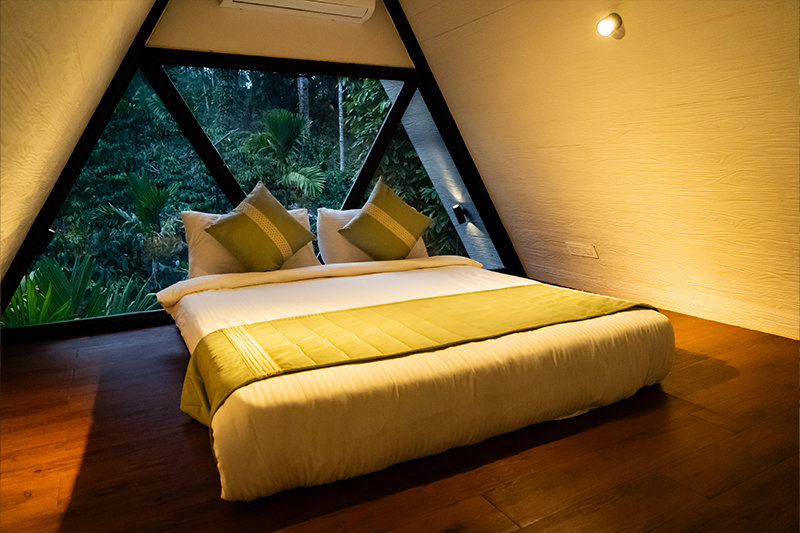
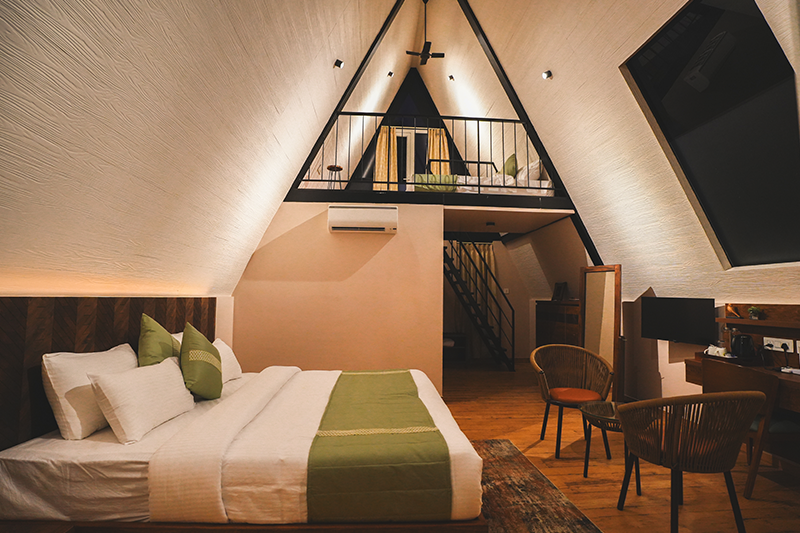
The gap between “a hotel that happens to be in Coorg” and “a property that’s genuinely connected to the landscape” is enormous for couples. A room in Madikeri town with a parking-lot view delivers a fundamentally different honeymoon from a cottage on a working coffee estate where you can hear birds instead of traffic and step outside into plantation paths rather than a commercial street.
What to look for as a honeymooner: Privacy (a cottage you can’t see your neighbours from). Grounds (enough outdoor space that you can walk without leaving the property). Natural setting (coffee estate, forest edge, or open landscape — not a built-up area). Things to do on-property (pool, walks, experiences — so you’re not forced to drive somewhere every day). Quiet (the absence of highway noise, construction, or large-group events).
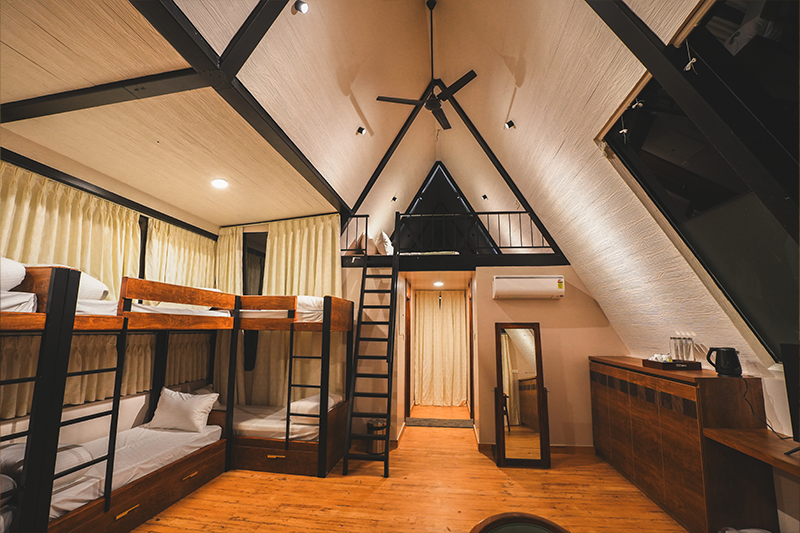
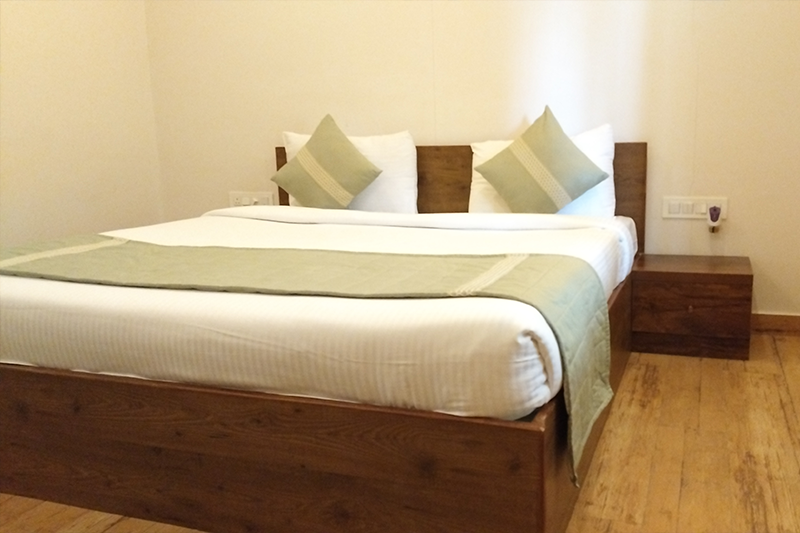
INIKA Resorts in Virajpet is built around this idea. Set within a coffee estate at Kuttandi in the southern part of Coorg, the property places its cottages among the plantation rather than beside it. The morning experience — stepping out to plantation air, walking the estate paths before breakfast, spending time by the infinity pool — is built into the stay rather than being an excursion you have to arrange. On-property experiences include plantation walks, coffee-picking activities (seasonal), campfire evenings, boating on the lake, and indoor recreation. The Virajpet location places it away from the congested Madikeri tourist circuit while remaining within driving distance of Coorg’s main attractions.
What makes a stay like this work for honeymooners is the combination: things to do without leaving, but the freedom to drive out when you want to. It removes the pressure to fill every hour with activities — which, as the mistakes section below explains, is one of the most common ways couples accidentally diminish their own honeymoon.
[INTERNAL LINK: INIKA Resorts Accommodation]
Which Season Is Best for Your Honeymoon Style?
“We want cool weather and easy sightseeing.” → November to February. December–January for the coldest mornings; November or February for fewer crowds.
“We are nature lovers — greenery matters more than sunshine.” → October or November. Post-monsoon green with reliable outdoor access.
“We love rain and want a cosy, private honeymoon.” → July or August. Full monsoon. Choose a well-equipped resort you’re excited to spend time at, and keep your itinerary very loose.
“Photography is a big part of our trip.” → October–November. Best combination of landscape colour and light quality. February also works for softer morning light.
“We’re adventurous and want some trekking.” → November to February. Dry trails, comfortable temperatures. Avoid monsoon entirely for trekking — conditions are unsafe.
“We mainly want resort time — pool, meals together, slow mornings.” → Any month works if the property is right. Summer (Mar–May) and monsoon (Jun–Sep) naturally encourage more on-property time.
“This is our first time visiting Coorg.” → November. You get the most complete Coorg experience — weather, greenery, access, and atmosphere — in one trip.
“We want to avoid heavy rain completely.” → December to March. Driest months. October–November are mostly dry but can still surprise.
“We want the quietest possible honeymoon.” → Mid-June to September (off-season), or weekdays in October–November. Avoid December–January weekends and all of May.
“We can’t agree on a month.” → October or November. These are the compromise months that satisfy both the rain-romantic and the sunshine-seeker. See the “When You and Your Partner Disagree” section above.
How Many Days for a Coorg Honeymoon?
3 days (2 nights): A short romantic getaway. You’ll experience the resort and perhaps one or two nearby spots — a waterfall, a viewpoint, a short drive. You won’t explore widely. This works best when the property itself is the experience and Coorg is part of a larger trip (Mysore–Coorg combinations are common).
4 days (3 nights): The recommended duration for most couples. One full day for sightseeing (waterfalls, viewpoints, a scenic drive). One day for plantation time and on-property experiences. Buffer mornings for sleeping in and unhurried coffee. Most couples find this balances activity with rest well.
5 days (4 nights): For couples who genuinely want a slow honeymoon. Spread sightseeing across half-days. Spend a full morning at the resort. Take an unplanned drive on a whim. Have a day with zero agenda. This is particularly valuable during monsoon, when weather can alter plans and extra days prevent frustration.
Practical note on driving times: Coorg’s attractions are spread across the district, and mountain roads take longer than maps suggest. A drive that Google Maps estimates at 35 minutes often takes 50–60 minutes on winding, narrow hill roads. Plan fewer, longer stops rather than trying to connect four destinations in a single day — that’s how you end up spending your honeymoon in a car.
What Couples Should Pack for Coorg by Season
Winter (October–February)
- Warm jacket or fleece — essential for mornings and evenings. December and January mornings can feel genuinely cold, and most Coorg resort rooms don’t have room heaters. Your fleece IS your heating.
- Light layers you can add or remove. The gap between 7 AM and 1 PM can be 15+ degrees.
- Comfortable walking shoes with decent grip — estate paths can be uneven, and waterfall approaches involve some rough terrain.
- Sunscreen — winter sun at altitude is deceptive. You’ll burn before you notice.
- Camera — clear-weather photography conditions are the best of any season.
- Light scarf or shawl for cool evenings — useful outdoors and in restaurants.
Summer (March–May)
- Light, breathable cotton. You’ll be warm by midday.
- Sunscreen and sunglasses — non-negotiable.
- Hat or cap for daytime walks.
- Comfortable sandals AND one pair of closed walking shoes. Sandals for the resort, closed shoes for trails.
- Light rain jacket for late-May pre-monsoon showers — they arrive without much warning.
- Insect repellent.
- Refillable water bottle — staying hydrated at altitude in warm weather matters more than you’d think.
Monsoon (June–September)
- Waterproof jacket — non-negotiable. Not a light windcheater. A proper rain jacket.
- Waterproof shoes or sturdy sandals with grip. Avoid leather, canvas, and anything that absorbs water. If you’re planning forest walks, closed waterproof shoes are essential.
- Umbrella — a compact one for your daypack.
- Quick-dry clothing. Cotton stays wet for hours in monsoon humidity.
- Extra pairs of socks — at least three more than you think you need.
- Dry bags or zip-lock bags for phone, camera, wallet, and documents.
- Insect repellent. If you’re walking plantation or forest paths, leech socks are available at shops in Madikeri — consider buying a pair if your property offers estate walks.
- One warm layer for cool rainy evenings.
- Small towel in your daypack — you’ll use it more than you expect.
Mistakes Couples Make When Planning a Coorg Honeymoon
Choosing a month based only on temperature. A “cool” month isn’t automatically the best month for your honeymoon. October is slightly warmer than December but offers better greenery and far fewer crowds. Match the month to your priorities, not just the thermometer.
Trying to visit too many attractions. Coorg’s charm is its pace, not its checklist. Couples who attempt Abbey Falls, Dubare, Raja’s Seat, Mandalpatti, Talakaveri, AND Bylakuppe in three days spend their honeymoon looking at the back of a driver’s headrest. Pick two or three highlights. Leave the rest for a future trip — you’ll come back.
Underestimating mountain driving time. What looks like a 30-minute drive on Google Maps takes 50–60 minutes on Coorg’s winding roads. Every extra stop adds more drive time than you expect. Plan fewer, longer stops rather than trying to connect multiple destinations.
Booking accommodation based only on price or ratings. Where you stay in Coorg matters more than in most destinations. A resort surrounded by a working coffee estate delivers a fundamentally different honeymoon from a hotel on a main road in Madikeri town. For a honeymoon, pay for the setting — it IS the experience.
Not checking weather before travelling. Coorg’s seasons are broadly predictable, but mountain weather can surprise within any season. Check the forecast a few days before departure. A five-minute weather check can save you from packing wrong or scheduling a waterfall visit on a day when the road is washed out.
Treating monsoon like dry-season sightseeing. If you visit June–September, build your honeymoon around the resort with sightseeing as a weather-permitting bonus. Reversing this — a sightseeing itinerary with the resort as backup — guarantees frustration.
Packing inappropriate footwear. High heels, thin sandals, and canvas shoes don’t belong on estate paths, waterfall approaches, or monsoon roads. Comfortable closed-toe shoes with decent grip are essential for anything beyond the resort lobby.
Spending the entire honeymoon inside a car. This happens when couples overplan. A full-day drive covering four tourist spots across the district isn’t romantic — it’s a guided tour without a guide. Leave time to walk, sit, eat slowly, and simply be together.
Not leaving time to enjoy the resort. If you’ve chosen a property with plantation grounds, a pool, and outdoor spaces worth using — budget at least one full morning or afternoon to use them. You’re paying for the setting. Enjoy it.
Confusing Coorg district with only Madikeri. Madikeri is the main town and the tourist hub, but Coorg (Kodagu) is an entire district. Virajpet in the south offers a quieter, more plantation-focused, less commercialised experience. Staying in Virajpet doesn’t mean you’re “far from Coorg” — you’re in it. Some of the district’s best plantation properties are here.
Ignoring weekday vs weekend timing. A Tuesday arrival in December gives you a dramatically different Coorg than a Friday arrival. If your dates are flexible, shifting by even one or two days can transform the crowd experience.
Plan Your Stay: Experiencing Coorg Together
A Coorg honeymoon works best when the stay itself feels like part of the experience — not just a bed between destinations.
INIKA Resorts, set on a coffee estate in Kuttandi near Virajpet, is designed around this idea. The property offers cottages within the plantation, an infinity pool, guided plantation walks, coffee-picking experiences, campfire evenings, boating, and an overall atmosphere of unhurried calm. It suits couples who want to combine a few days of Coorg exploration with genuine downtime — mornings spent walking the estate before breakfast, afternoons by the pool, evenings where the only plan is dinner.
Whether you visit in the clear cool of November, the full green weight of monsoon July, or the warm fragrant mornings of March, having a base that encourages you to slow down shapes a honeymoon differently from a property that’s merely convenient.
You can explore INIKA’s cottages, experiences, and location at [INTERNAL LINK: INIKA Resorts Accommodation] and [INTERNAL LINK: INIKA Resorts Experiences].
Frequently Asked Questions
What is the best time to visit Coorg for a honeymoon?
October to February, with November as the single best default month for most couples. October–November offers post-monsoon greenery with moderate crowds; December–February gives the coolest, driest conditions.
Which month is the most romantic in Coorg?
November for overall balance. July for rain-and-mist atmosphere. December for cool-weather classic romance (but with crowds).
Is December good for a Coorg honeymoon?
Yes — excellent weather and full outdoor access. But it’s peak season. Book well in advance and consider weekday travel.
Is Coorg good for a honeymoon during monsoon?
Yes, if you want a resort-centric, rain-romantic honeymoon. Not if you want packed sightseeing. Requires flexibility and proper gear.
How many days are enough for a Coorg honeymoon?
Four days (3 nights) is the recommended balance. Three for a short getaway. Five for a genuinely slow trip.
Which season is best for coffee plantation experiences?
Year-round, but harvest (roughly Nov–Feb) shows the most activity. Flowering (roughly Mar–Apr) adds fragrance. Post-monsoon (Oct–Nov) offers the lushest walking conditions.
Is Coorg crowded during December?
Yes, especially Christmas–New Year week and weekends. Stay in the Virajpet area and travel midweek to reduce the impact.
What should couples pack for Coorg?
Winter: warm layers and walking shoes. Summer: light clothing and sunscreen. Monsoon: waterproof jacket, waterproof shoes, dry bags, insect repellent. Walking shoes are essential in every season.
Is Coorg suitable for a summer honeymoon?
Yes, if you plan outdoor time for mornings and evenings. Afternoons can be warm (30–35°C). Choose a resort with a pool.
Where should couples stay in Coorg?
Look for properties on or near coffee estates, particularly in the quieter Virajpet area. INIKA Resorts offers cottages within a plantation estate with on-property experiences suited to couples.
Is Virajpet good for couples?
Yes. Less commercialised than Madikeri, more plantation-focused, and generally quieter — well-suited to honeymooners who want privacy and natural surroundings.
Is January good for couples in Coorg?
One of the best months. Cool mornings, pleasant days, minimal rain, full outdoor access. Book ahead for popular properties.