



Mumbai to Coorg: Distance, Travel Options & Itinerary
Planning a trip from Mumbai to Coorg? Whether you’re looking for a peaceful getaway, a road trip through scenic landscapes, or a refreshing break in the Western Ghats, Coorg is one of South India’s most rewarding destinations. Known as the Coffee Capital of India, Coorg (Kodagu) is famous for its lush coffee plantations, waterfalls, trekking trails, wildlife, and rich Kodava heritage.
Unlike many popular hill stations, Coorg doesn’t have its own airport or railway station. Reaching it requires a combination of flight, train, or road travel. This guide covers everything you need to know, including distance, travel options, estimated costs, suggested itineraries, and useful travel tips.
Mumbai to Coorg at a Glance
| Details | Information |
|---|---|
| Starting City | Mumbai, Maharashtra |
| Destination | Coorg (Kodagu), Karnataka |
| Approximate Distance | 1,050–1,150 km (depending on route) |
| Fastest Travel Option | Flight + Taxi |
| Best Travel Time | 5–7 hours |
| Recommended Trip Duration | 4–6 Days |
| Best Time to Visit | October to March |
| Ideal For | Couples, Families, Nature Lovers, Road Trips |
Best Ways to Travel from Mumbai to Coorg
1. Flight + Taxi (Recommended)
Flying is the quickest and most comfortable way to reach Coorg. Since Coorg has no airport, you’ll need to land at a nearby city and continue by road.
Nearby Airports
| Airport | Distance to Coorg | Approx. Drive Time |
|---|---|---|
| Kannur International Airport | 95–110 km | 2–3 hours |
| Mysore Airport | 120 km | 2.5–3 hours |
| Mangalore International Airport | 145 km | 3–4 hours |
| Kempegowda International Airport (Bengaluru) | 270 km | 5–6 hours |
Why Choose This Option?
- Fastest way to reach Coorg
- Multiple daily flights from Mumbai
- Suitable for families, couples, and short vacations
- Comfortable and time-saving
2. Train + Road
There is no railway station in Coorg, but several nearby stations are well connected to Mumbai.
| Railway Station | Distance to Coorg | Travel Time by Road |
|---|---|---|
| Mysuru Junction | 115 km | 3 hours |
| Mangalore Junction | 140 km | 3.5 hours |
| Kannur Railway Station | 110 km | 2.5–3 hours |
This option is ideal if you enjoy train travel or prefer a more budget-friendly journey.
3. Mumbai to Coorg by Car
Driving from Mumbai to Coorg is an unforgettable experience, especially for travelers who enjoy long road trips.
Popular Route
Mumbai → Pune → Satara → Kolhapur → Belagavi → Hubballi → Davangere → Chitradurga → Mysuru → Coorg
| Details | Approximate |
|---|---|
| Distance | 1,050–1,150 km |
| Driving Time | 18–20 hours (excluding breaks) |
| Recommended | 2-Day Journey |
Why Choose a Road Trip?
- Flexible travel schedule
- Scenic highways
- Opportunity to explore multiple cities
- Ideal for groups and adventure travelers
Which Travel Option Should You Choose?
| Travel Option | Best For | Travel Time |
|---|---|---|
| Flight + Taxi | Fastest & Most Comfortable | 5–7 Hours |
| Train + Taxi | Budget Travelers | 18–24 Hours |
| Self-Drive | Road Trip Enthusiasts | 2 Days |
Suggested 5-Day Mumbai to Coorg Itinerary
Day 1 – Arrival
- Arrive at the nearest airport or railway station.
- Drive to Coorg.
- Check in and relax.
- Enjoy a peaceful evening surrounded by nature.
Day 2 – Explore Madikeri
Visit:
- Abbey Falls
- Raja’s Seat
- Madikeri Fort
- Omkareshwara Temple
- Local Market
Day 3 – Discover South Coorg
Explore:
- Tadiandamol Peak
- Chelavara Falls
- Kakkabe Village
- Coffee Plantations
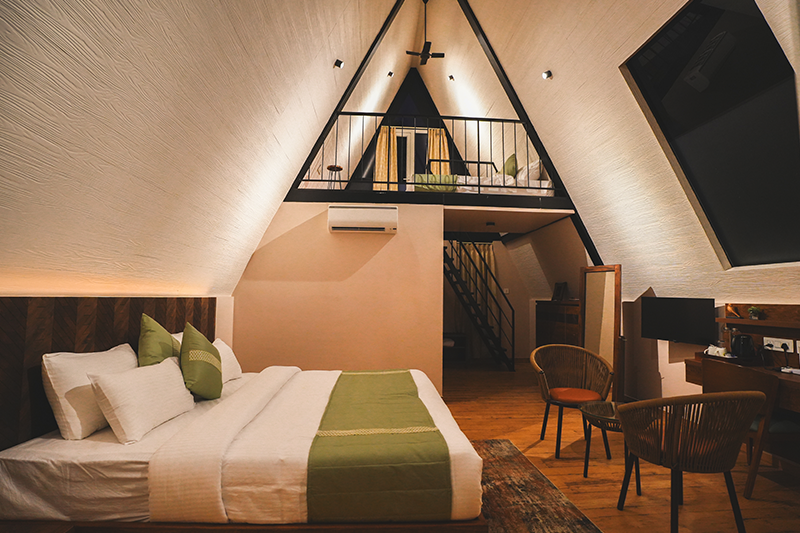
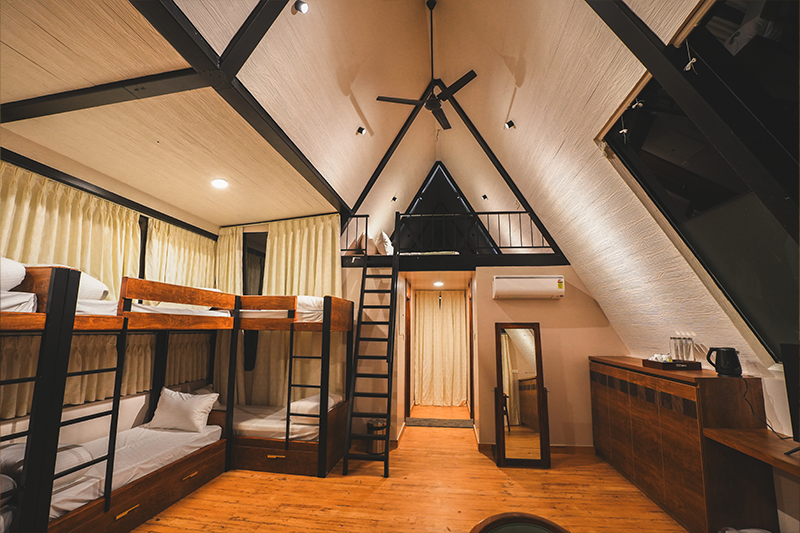
Travelers planning to explore both Madikeri and South Coorg often prefer staying at a centrally located plantation property such as INIKA Resorts, as it offers convenient access to attractions across the region while providing a quieter atmosphere away from the busiest tourist areas.
Day 4 – Nature & Wildlife
Visit:
- Nagarhole National Park
- Dubare Elephant Camp
- Kaveri Nisargadhama
Day 5 – Return Journey
Enjoy breakfast, shop for locally grown coffee and spices, then begin your return journey.
Best Time to Visit Coorg from Mumbai
| Season | Weather | Recommended Activities |
|---|---|---|
| October – February | Cool & Pleasant | Sightseeing, Trekking, Photography |
| March – May | Mild Summer | Plantation Walks, Waterfalls |
| June – September | Monsoon | Scenic Drives, Waterfalls, Nature Photography |
Estimated Travel Budget
| Expense | Approximate Cost (Per Person) |
|---|---|
| Flight | ₹4,000–₹10,000 |
| Taxi from Airport | ₹2,000–₹5,000 |
| Hotel/Resort | Varies by property and season |
| Food | ₹800–₹1,500 per day |
| Local Sightseeing | ₹1,000–₹3,000 |
Actual costs depend on travel season, booking time, and personal preferences.
Essential Packing Checklist
Carry These Items
- Comfortable walking shoes
- Light jackets (especially during winter)
- Raincoat or umbrella (monsoon)
- Sunscreen
- Insect repellent
- Personal medicines
- Camera or smartphone
- Power bank
- Reusable water bottle
Travel Tips
- Book flights and accommodations well in advance during weekends and holidays.
- Start sightseeing early to avoid crowds.
- Carry some cash for smaller local shops.
- Check weather forecasts before visiting during the monsoon.
- Follow safety instructions while trekking or visiting waterfalls.
- Respect local customs and keep natural attractions clean.
Why Visit Coorg?
Coorg offers much more than scenic beauty. Visitors can enjoy:
- Coffee plantation tours
- Waterfalls and viewpoints
- Wildlife safaris
- Trekking trails
- Kodava culture and cuisine
- Scenic road trips
- Local spice shopping
Whether you’re planning a romantic getaway, a family vacation, or a relaxing escape from city life, Coorg offers experiences that suit every type of traveler.
Frequently Asked Questions
How far is Coorg from Mumbai?
The road distance is approximately 1,050–1,150 km, depending on the route you choose.
What is the fastest way to travel from Mumbai to Coorg?
Taking a flight to Kannur, Mysore, or Mangalore, followed by a taxi to Coorg, is generally the fastest and most convenient option.
Can I travel directly by train to Coorg?
No. Coorg does not have a railway station. You can travel by train to Mysuru, Mangalore, or Kannur and then continue by road.
Is Coorg suitable for a long weekend from Mumbai?
Yes. A 4–5 day itinerary is ideal for exploring Coorg without feeling rushed.
Which season is best for visiting Coorg?
October to March is generally considered the best time due to pleasant weather, although the monsoon season offers spectacular greenery and waterfalls for those who enjoy rainy landscapes.
Conclusion
Traveling from Mumbai to Coorg is easier than many first-time visitors expect. With convenient flight connections, scenic road routes, and multiple travel options, reaching this beautiful hill destination is straightforward. Whether you choose to fly, drive, or combine train and road travel, Coorg rewards visitors with breathtaking landscapes, coffee plantations, waterfalls, wildlife, and a relaxed pace of life. Planning your route in advance and choosing the travel option that best suits your schedule will help you make the most of your Coorg adventure.