
Raja’s Seat History: The Full Story Behind Madikeri’s Most Beloved Viewpoint
Raja’s Seat is one of Madikeri’s most recognizable landmarks, but its appeal goes beyond the valley views that attract visitors today. The viewpoint is connected to the history of Kodagu’s royal family, the landscape of the former kingdom, and the way a place once associated with royalty became part of everyday tourism in Coorg.
For travelers planning a visit, understanding Raja’s Seat means looking at more than where to take photographs. Its history helps explain why this particular hilltop became significant, what visitors can experience there today, and how to include it in a meaningful Madikeri itinerary.
This guide explores the historical background of Raja’s Seat, the meaning behind its name, its sightseeing value, and practical considerations for anyone visiting Madikeri.
The Meaning Behind Raja’s Seat
The name Raja’s Seat translates to “Seat of the King.” According to the Kodagu district administration, local tradition holds that the kings of Kodagu and their consorts spent evenings at this spot, enjoying the views and pleasant surroundings. The elevated location overlooking the hills and valleys helps explain its appeal as a place of relaxation.
It is important to distinguish between documented historical information and local tradition. The royal association is widely repeated in official tourism descriptions, but the available sources do not provide a complete, verified account of every royal visit or the exact circumstances in which the viewpoint was first used.
That distinction makes the story more interesting, not less. Raja’s Seat preserves a connection to Kodagu’s royal past while remaining a living public destination.
A Viewpoint Shaped by Madikeri’s Royal Past
Madikeri, historically known as Mercara, became the administrative center of Kodagu under the Haleri rulers. The town’s history includes royal rule, fortifications and changing political control, which can still be explored through nearby heritage sites. Karnataka Tourism identifies Madikeri Fort, Raja’s Seat, Omkareshwara Temple and Gaddige among the town’s important attractions.
Raja’s Seat should therefore be understood within the wider historical landscape of Madikeri. Its significance is not based on a grand palace or a large surviving royal complex. Instead, its story centers on the relationship between the ruling family, the hilltop setting and the scenery of Kodagu.
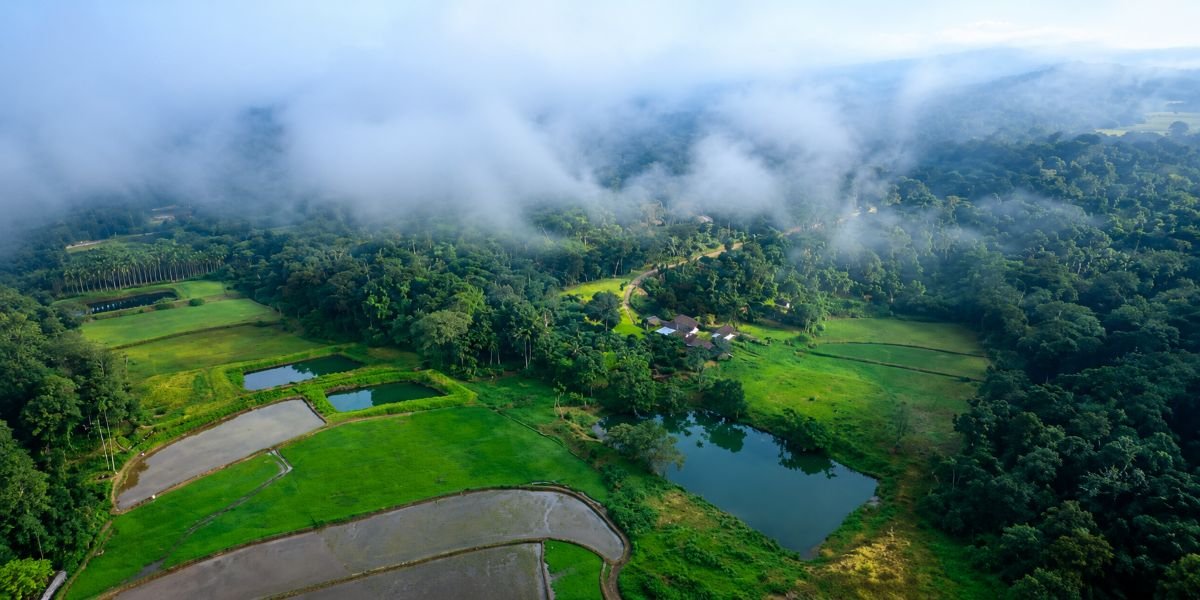
The attraction of the location is easy to understand: a raised viewpoint provides an open outlook across the surrounding landscape, while the garden offers a more structured setting for visitors.
The Historic Pavilion and the Garden
The traditional pavilion is a small brick-and-mortar structure with four pillars connected by arches. A historical district document identifies the site as an elevated viewpoint overlooking greenery and describes its connection to the former rulers of Kodagu.
The pavilion is only one part of the experience today. The surrounding garden, seasonal flowers and recreational features have helped turn Raja’s Seat into a destination suitable for different kinds of visitors.
A traveler interested in architecture may pause at the pavilion. A family may spend more time in the garden. Someone visiting specifically for photography may prioritize the open valley view. These different uses are part of why the location has remained relevant beyond its historical association.
Why Sunset Is Central to the Raja’s Seat Experience
Sunset is the defining experience associated with Raja’s Seat. The viewpoint faces the western valleys, and official tourism descriptions highlight the scenery of the setting sun over the distant hills.
The appeal is not that every evening guarantees a dramatic sunset. Weather, cloud cover, mist and visibility affect what visitors see. Instead, the location offers an opportunity to watch the landscape change as daylight fades.
For example, a visitor arriving on a cloudy afternoon may experience muted colors and shifting mist rather than a bright orange horizon. That does not make the visit unsuccessful. The changing weather is part of the hill-country setting, and the viewpoint can still be worthwhile even when the sunset is obscured.
The best approach is to plan for the experience rather than treat a particular photograph as guaranteed.
What Visitors Can See at Raja’s Seat Today
Raja’s Seat is more than a single viewing platform. The surrounding public garden adds another dimension to the visit, with seasonal flowers and fountain features described in tourism materials. Some travel guides also mention a toy train and family-oriented attractions. Availability and operating arrangements may change, so visitors should confirm current details locally rather than rely on older fee or timing information.
This variety makes the attraction accessible to different travelers:
Couples: Enjoy a shared sunset and a leisurely walk through the garden.
Families: Combine the viewpoint with a relaxed garden visit and age-appropriate activities.
Photography enthusiasts: Capture the pavilion, flowers, valley and changing evening light.
History lovers: Use the visit as an introduction to Kodagu’s royal heritage.
The viewpoint does not need a packed schedule to be worthwhile. Giving yourself time to observe the landscape is part of what makes the experience different from rushing between sightseeing stops.
How to Plan a Visit to Raja’s Seat
Raja’s Seat is located in Stuart Hill, Madikeri, and the Kodagu district administration places it approximately 1 km west of the Madikeri bus stand. The official tourism page identifies road travel as the practical way to reach the attraction.
Before visiting, consider these practical details.
Choose your timing carefully
Sunset is the most popular reason to visit, but it is also likely to be the busiest period. Arriving with some time to spare gives you an opportunity to explore the garden and find a comfortable viewing position.
If you prefer a quieter sightseeing experience, consider visiting outside the peak evening rush. The landscape can be appreciated even when the sun is not setting.
Check weather conditions
Coorg’s hill weather can change quickly. Cloud cover and mist may affect visibility, particularly during rainy periods. Carrying a light rain layer and comfortable footwear is useful when planning outdoor sightseeing.
Allow time for nearby attractions
Raja’s Seat can be combined with other Madikeri attractions, including Madikeri Fort, Omkareshwara Temple and Gaddige, depending on your route and available time. Karnataka Tourism presents these sites as part of Madikeri’s broader heritage and sightseeing landscape.
Rather than attempting to cover every attraction in a few hours, select places that match your interests. A traveler interested in history may prioritize the fort and Gaddige, while someone looking for a relaxed outing may spend more time at the viewpoint.
Staying in Coorg: Madikeri Sightseeing and a Nature-Focused Retreat
Where you stay can shape how you experience Coorg. Madikeri is useful for travelers who want to focus on the town’s heritage attractions and nearby sightseeing. Other visitors may prefer a quieter plantation setting away from the busier sightseeing areas.
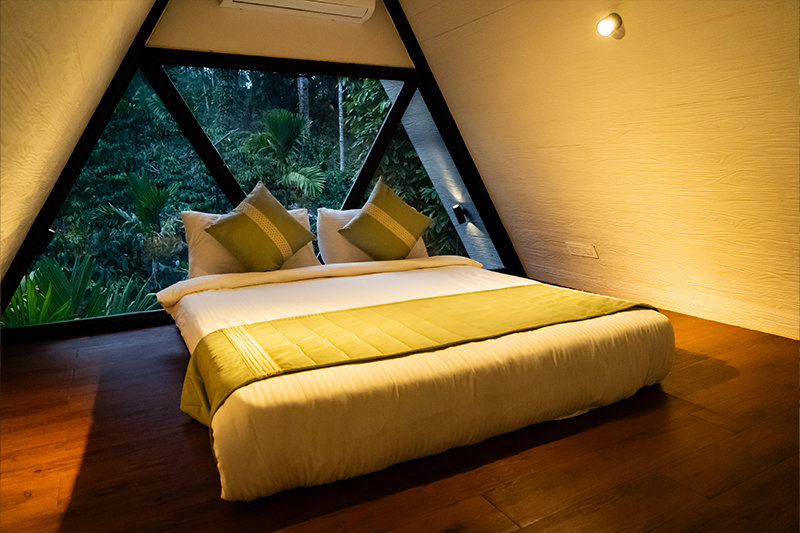
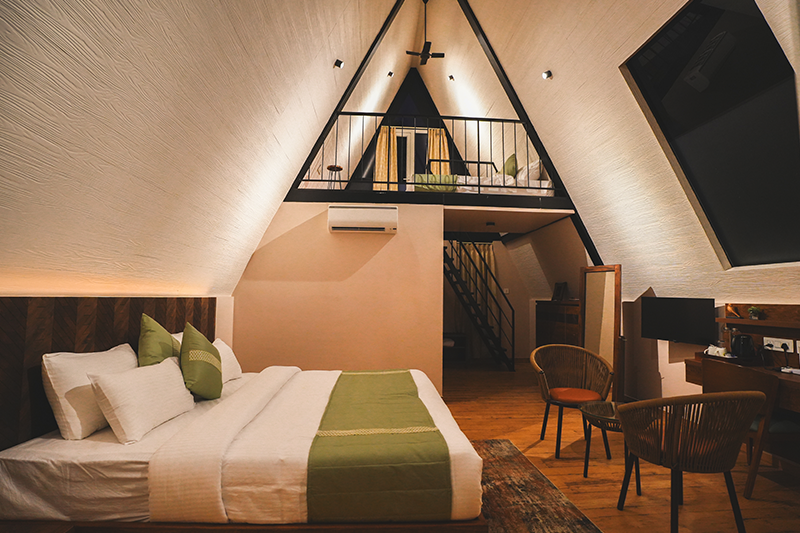
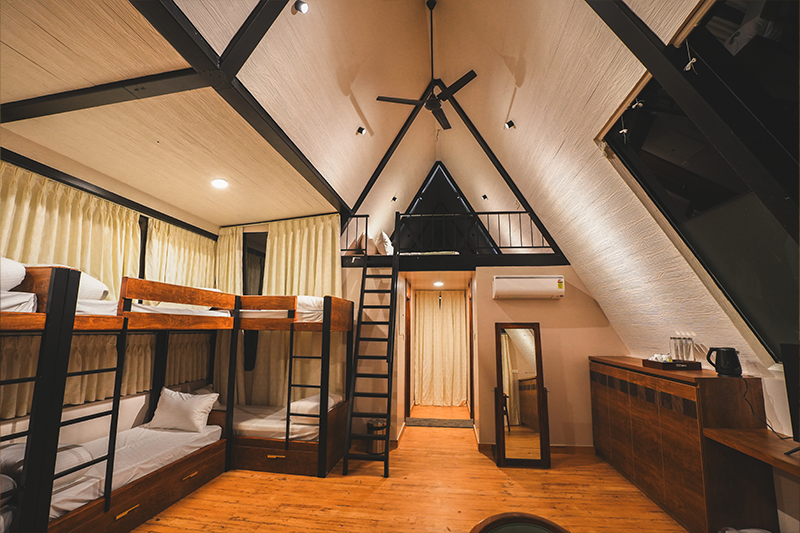
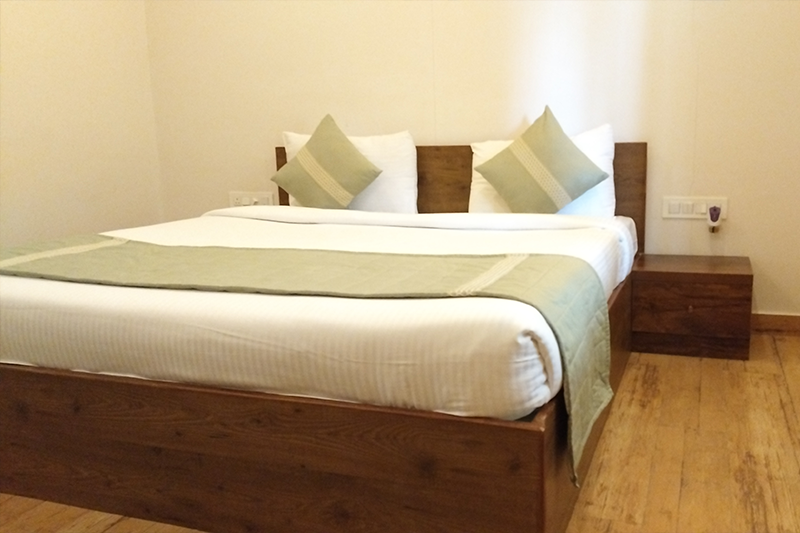
INIKA Resorts, located in Kuttandi, Virajpet, offers a different type of Coorg stay, with cottages and nature-oriented accommodation in a coffee-estate setting. Its official website presents the resort as a choice for couples, families and travelers looking for comfort, greenery and a slower holiday experience.
For someone planning Raja’s Seat as part of a broader Coorg trip, the practical question is not simply whether a resort is described as being near Madikeri. It is whether the accommodation’s location fits the sightseeing plan.
INIKA’s own guidance emphasizes that its Virajpet location should be considered when organizing travel to Madikeri and other parts of Coorg. Guests staying there should plan a dedicated Madikeri sightseeing drive rather than assume the resort is located in the town itself.
This distinction is useful for travelers who want both experiences: a day exploring Madikeri’s historical landmarks and a stay surrounded by plantation scenery. Check the planned route, travel conditions and time available before deciding which attractions to combine.
Why Raja’s Seat Still Matters
Raja’s Seat has remained important because it brings together three elements that continue to define Madikeri: landscape, local history and public leisure.
Its royal association gives the viewpoint a story. Its elevated position gives visitors a reason to pause and look outward. The garden and surrounding facilities make it approachable for a wide range of travelers.
Yet its value does not depend on proving that every popular story is historically documented. The strongest way to appreciate the site is to recognize both sides: the recorded heritage of Kodagu and the local traditions that have helped shape its identity.
A visit becomes more meaningful when you look beyond the sunset photograph and consider why this place mattered to the people who came before today’s tourists.
Conclusion: A Viewpoint Where Coorg’s History Meets the Landscape
Raja’s Seat is not simply a scenic stop on a Madikeri itinerary. It is a place where the memory of Kodagu’s royal past meets the everyday experience of enjoying a hilltop garden and valley view.
The name recalls the rulers who are traditionally associated with the location. The historic pavilion provides a physical connection to that story, while the surrounding scenery explains why the spot continues to attract visitors.
Whether you are visiting for sunset, exploring Madikeri’s heritage or planning a wider Coorg holiday, Raja’s Seat is worth approaching with time and curiosity. And if your wider trip includes a plantation-based stay at INIKA Resorts in Virajpet, planning the Madikeri visit as a separate sightseeing experience can help you enjoy both the town’s history and South Coorg’s quieter natural setting.
Raja’s Seat is best remembered not only for what you see from the viewpoint, but for the history and landscape that make the view worth stopping for.