





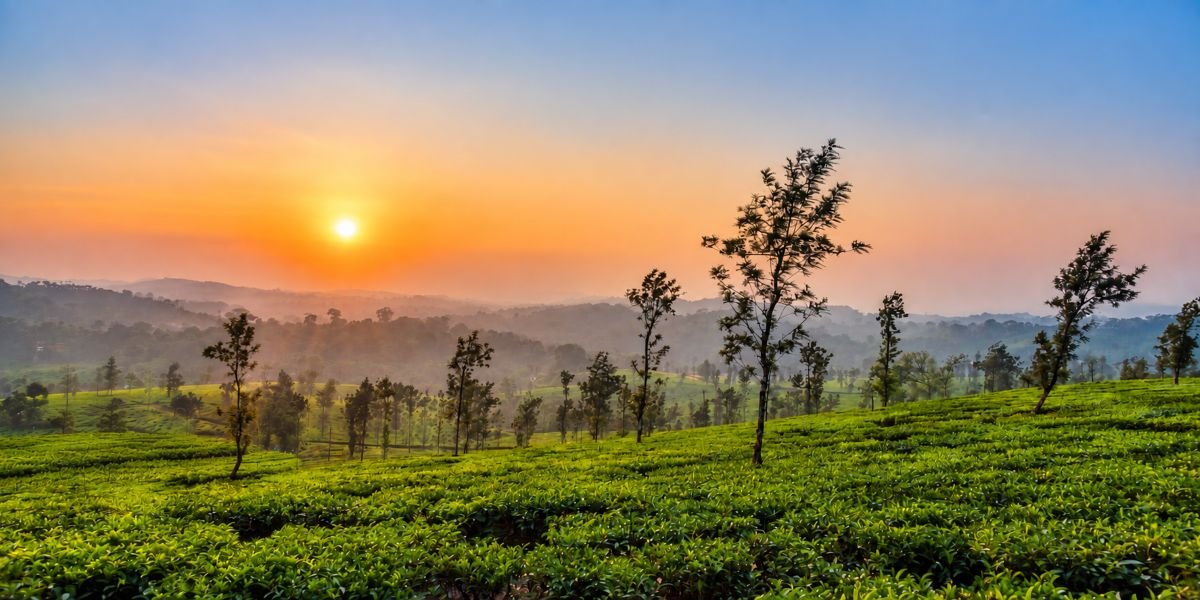
Coffee Plantations in Coorg in October: What Changes After the Monsoon?
October gives Coorg’s coffee plantations a noticeably different character. The heavy monsoon begins to ease, the ground gradually becomes easier to walk on, and the landscape remains intensely green from months of rain. But the biggest change is less obvious: the coffee plants are moving into an important stage of fruit development and ripening.
That makes October interesting for travellers who want to understand Coorg’s coffee landscape rather than simply photograph it.
Several travel guides focus on either the dramatic greenery of the monsoon or the later harvest season. The more useful way to look at October is as a transition period—the plantation is still carrying the effects of the rains, while preparations for the coffee season ahead are becoming increasingly visible. Research on coffee-growing systems in Coorg also places the May–October period around cherry development and maturation, with October onward moving toward ripening and harvest.
What Does a Coffee Plantation Look Like in October?
During the monsoon, coffee plantations can feel almost saturated with greenery. By October, that appearance starts to change.
The coffee bushes remain green, but the plantation floor can gradually become less waterlogged as rainfall reduces. Streams and smaller water channels still carry the memory of the monsoon, while shade trees, pepper vines and other plantation vegetation remain dense.
Look closely at the coffee bushes and you may notice berries at different stages of development. In the Coorg coffee cycle, the months following the blossom and monsoon growth period are important for the cherries as they mature toward harvesting.
This is why an October plantation walk can feel different from one taken during July or August. You’re seeing the same landscape, but the plants are further along in their yearly cycle.
The Monsoon Has Done Its Work
One of the easiest mistakes is to think of the monsoon as simply “rainy weather” for coffee estates.
For coffee growers, those months are part of the crop’s development. Rain supports the growth of the coffee plants and cherries, while plantation managers also have to deal with weeds, excessive moisture, drainage and plant-health issues.
Once the rains begin to withdraw, maintenance work becomes particularly important. Post-monsoon estate work can include clearing overgrowth, managing the plantation floor and preparing the coffee blocks for the next stage of the crop. Coffee-growing guidance also identifies post-monsoon maintenance as an important part of plantation management.
So when you walk through a Coorg plantation in October, you’re not simply looking at a scenic garden. You’re walking through a working agricultural landscape between two significant seasons.
Are You Likely to See Coffee Picking in October?
This needs a little qualification.
October is close to the beginning of the harvest period for coffee in Coorg, but you shouldn’t assume that every plantation will be actively picking throughout the entire month.
The timing varies according to coffee variety, elevation, weather and the condition of the crop. Some cherries may still be developing while others are beginning to ripen.
That uncertainty is actually part of what makes October interesting.
Instead of expecting rows of workers harvesting every day, look for the signs of transition: ripening cherries, plantation maintenance and the gradual movement toward the main harvest period.
If your primary interest is understanding how coffee moves from plant to cup, this can be a particularly useful time to visit because the plantation story is still visible rather than reduced to a finished product.
Why a Coffee Walk Makes More Sense in October
A plantation walk is more meaningful when you know what you’re looking at.
At INIKA Resorts in Kuttandi, Virajpet, guests can join coffee walks and coffee-picking experiences guided by local farmers. The experience involves walking through the plantation, learning about the crop and, when suitable ripe cherries are available, handpicking them.
October is especially suited to taking your time with this kind of experience.
You don’t need to rush through the plantation trying to cover a large distance. Notice how coffee grows beneath the shade canopy. Look at the berries. Listen for birds. Pay attention to the difference between the damp ground and the areas that have started drying after the rains.
A one-hour walk can tell you more about Coorg’s coffee landscape than simply stopping beside a plantation for a photograph.
What Changes for Visitors After the Monsoon?
The practical difference is just as important as the agricultural one.
October generally gives travellers more flexibility for outdoor plans than the wetter monsoon months, although early October can still bring showers and plantation paths may remain damp. INIKA’s own October guidance recommends footwear that can handle wet or uneven ground.
This makes a flexible day worthwhile.
For example:
Morning: coffee plantation walk
Late morning: relaxed breakfast or coffee
Afternoon: sightseeing or another outdoor activity if conditions allow
Evening: return to the resort and keep the schedule unhurried
If rain returns, the day doesn’t have to fall apart. INIKA’s experience offering includes activities such as birdwatching, trekking, fishing, guided tours and coffee experiences, while The Nook provides indoor recreation including carrom and table tennis.
That variety is useful during a transitional month when weather can still change during the day.
What Should You Wear for an October Plantation Walk?
You don’t need complicated equipment.
Choose:
- Shoes with a good grip
- Comfortable trousers or walking clothes
- A light rain jacket
- Extra protection for your phone or camera
- Water
- Clothing that you don’t mind getting slightly muddy
Earlier October can feel more like the tail end of monsoon, while later October may offer more comfortable walking conditions. It’s better to prepare for both possibilities than assume the entire month will be dry.
Why October Is Worth Experiencing
The appeal of Coorg’s coffee plantations in October isn’t that everything suddenly becomes perfect after the rain.
It’s the opposite.
October shows the plantation in transition.
The landscape still carries the freshness of the monsoon. Coffee cherries are progressing toward maturity. Plantation work changes. Outdoor movement becomes easier, but rain hasn’t completely disappeared. And the approach of harvest starts to give the estate a different rhythm.
For travellers staying at INIKA Resorts, this makes a coffee walk more than another activity to tick off a list. It becomes a way to understand the landscape surrounding the stay—and to see why coffee is such an important part of Coorg’s identity.
If you visit in October, don’t just look at the plantation.