




Kodava Culture in Coorg: Traditions, Homes, Festivals, Dress and Everyday Life
Coorg, or Kodagu, is often introduced through its coffee plantations, misty hills and forest landscapes. But the character of the region is also closely connected to the Kodava people, whose customs, family traditions, architecture, festivals and distinctive clothing have developed alongside the land for generations.
Kodava culture is not something confined to a museum or a single annual celebration. It can be seen in the importance given to family ancestry, the traditional ainmane house, agricultural seasons, community gatherings, food and ceremonies. At the same time, modern Kodagu is changing, and many traditional practices now exist alongside contemporary education, careers and urban lifestyles.
For travelers, understanding this distinction makes a cultural visit much more meaningful. You are not simply looking at traditional clothes or photographing an old house; you are seeing parts of a living culture.
Who Are the Kodavas of Coorg?
The Kodavas are an indigenous ethnolinguistic community associated particularly with Kodagu in Karnataka. They have a distinct cultural identity expressed through language, family organization, ceremonies, food and traditional dress.
The community traditionally organized social life around okka, a patrilineal family or clan group. An okka could include several generations connected through a common ancestry and family name. The ancestral home of such a group was the ainmane, which served as much more than a residence.
Historically, agriculture was central to life in Kodagu. Paddy cultivation, cattle and later coffee shaped the economic landscape, while community traditions developed around seasonal cycles and the responsibilities of family and land.
Kodava culture also has a strong martial heritage. Weapons historically had practical and ceremonial significance, which remains particularly visible during certain traditional celebrations.
It is important, however, not to treat every Kodagu resident as Kodava. Kodagu is culturally diverse, with several communities having their own histories, languages and customs.
The Ainmane: More Than a Traditional House
One of the most fascinating elements of Kodava heritage is the ainmane, the ancestral home associated with an okka.
These houses traditionally functioned as a shared family center rather than simply a private dwelling. Family members could gather there for important occasions, rituals and discussions, while the surrounding property connected the household to agriculture and the wider village landscape.
What Makes an Ainmane Special?
Traditional ainemane architecture varies between families and locations, but several features are associated with the form:
- A substantial entrance and front area
- A central courtyard or open space in traditional layouts
- Large timber elements and carved details
- Spaces associated with ancestral remembrance
- A relationship between the house, agricultural land and family property
The house therefore represents both architecture and genealogy.
A visitor looking at an old ainmane may notice a doorway, wooden pillar or courtyard first. For the family connected to it, those same features can carry memories of ancestors and generations of family life.
Some ancestral homes are carefully maintained, while others have changed with time. Modern construction has also altered how families live, so the traditional ainmane should be understood as part of a changing cultural landscape rather than the standard home of every Kodava family today.
Kodava Family Life and the Importance of the Okka
Family identity remains one of the defining themes of traditional Kodava society.
The okka provided a sense of belonging and shared ancestry. Traditionally, the ancestral home acted as a physical point around which members of the family gathered. Certain ceremonies and rituals reinforced connections between present generations and their ancestors.
This emphasis on ancestry is particularly visible during family functions and religious observances. Elders can play an important role in maintaining knowledge of customs, family history and ceremonial practices.
Modern life has naturally changed family structures. Education, employment and migration have taken many people away from their ancestral villages. Yet family names, ceremonies, ancestral properties and annual gatherings can continue to preserve connections with the past.
That balance between tradition and modern life is an important part of understanding contemporary Kodava culture.
Kodava Festivals and What They Mean
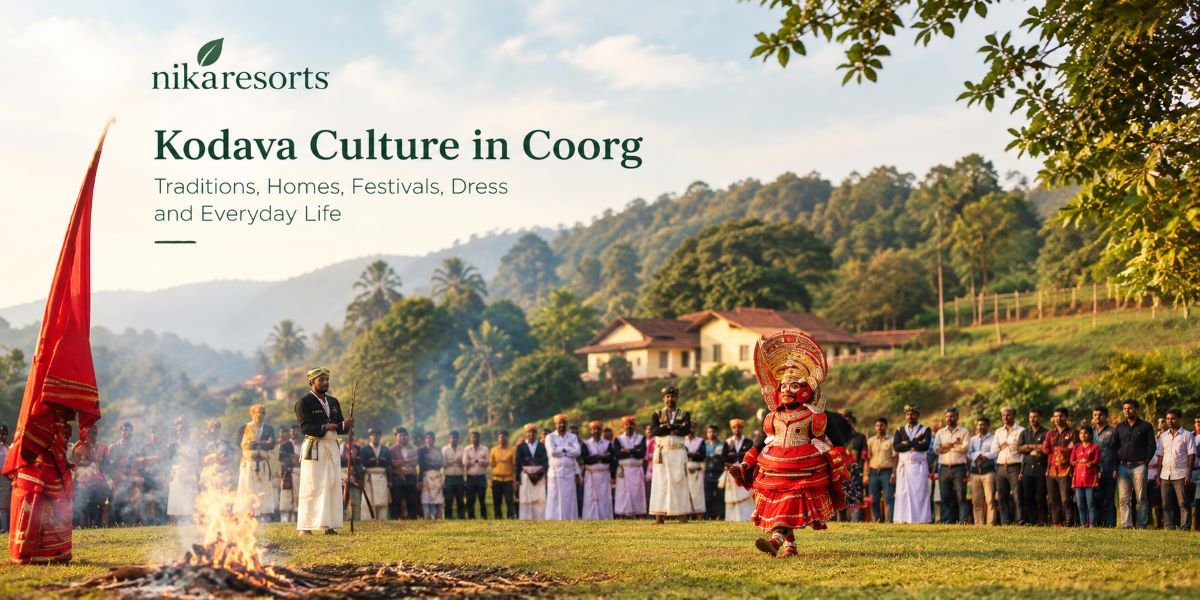
Kodava festivals are closely connected with agriculture, ancestry, nature and community life. Three celebrations are especially associated with Kodava tradition: Kailpodh, Kaveri Changrandi and Puthari.
Kailpodh: Remembering the Martial Tradition
Kailpodh, also written as Kail Poldh or Kailpodu, is associated with weapons and the traditional martial heritage of the Kodavas.
Historically, weapons had an important role in community life. During the festival, ceremonial respect is given to arms, reflecting the historical connection between protection, responsibility and the household.
For visitors, the deeper significance is more important than simply describing Kailpodh as a “weapons festival.” It reflects a historical way of life in which martial traditions were woven into community identity.
Kaveri Changrandi: Honouring the River: Kaveri Changrandi, also associated with Kaveri Sankramana, celebrates the sacred River Kaveri and its importance to Kodagu.The Kaveri is deeply connected with the cultural and spiritual identity of the region. The festival period draws attention to the river’s sacred origins at Talakaveri and to the relationship between water, land and community.This connection is especially meaningful in a district where agriculture and the natural landscape have long influenced everyday life.
Puthari: The Harvest Celebration: Puthari is the major harvest festival associated with the Kodavas.The celebration is connected with the rice harvest and traditionally brings families and communities together. Rituals, traditional songs and dances, feasting and the ceremonial gathering of the harvest form part of the broader celebration.Puthari illustrates something central to Kodava culture: agriculture is not merely an economic activity. Historically, the agricultural calendar shaped social and family life as well.For travelers hoping to experience a festival, dates and access arrangements should be checked locally because ceremonies may take place within family, village or community settings rather than as a conventional public tourist event.
Traditional Kodava Dress
Kodava clothing is among the most recognizable cultural features of Coorg.
Men’s Traditional Dress: The traditional men’s outfit includes the kupya, a distinctive wrap-style garment traditionally worn for ceremonial and formal occasions. A sash or chele is worn around the waist, and traditional accessories can include the peeche kathi, a ceremonial dagger.The clothing reflects both practicality and historical identity. Its association with Kodava martial traditions is particularly visible during ceremonies.
Women’s Traditional Dress: Kodava women are known for a distinctive way of draping the sari. Instead of following the most familiar sari-draping styles seen elsewhere in India, the Kodava style is adapted to the region’s cultural traditions and allows freedom of movement.Traditional jewellery also has a distinctive appearance, with designs incorporating natural and symbolic forms.Today, traditional clothing is most commonly seen during weddings, festivals, cultural ceremonies and other important occasions. Seeing someone in traditional attire does not necessarily mean they are dressed for tourists; they may simply be participating in an important family or community event.
Food, Hospitality and Everyday Life
Food is another important window into Kodava culture.
Traditional Kodava cuisine is strongly associated with local ingredients and the agricultural environment. Rice-based foods, pork preparations, seasonal vegetables and distinctive preparations such as kadambuttu are commonly associated with the cuisine.
Coffee has an equally important place in modern Coorg’s identity, although coffee cultivation became economically significant in Kodagu later than the older agricultural traditions surrounding paddy.
Hospitality is also an important cultural value. Meals and family gatherings can provide opportunities for conversation, storytelling and maintaining relationships.
For travelers, one of the best ways to appreciate local food is to approach it as regional cuisine rather than simply a checklist of dishes. Recipes can vary between households, and not every traditional dish will be available everywhere.
Language and Cultural Identity
The Kodava language, commonly known as Kodava Takk, is another important part of cultural identity. It is a Dravidian language associated with Kodagu and has its own linguistic character.
Kannada and English are also widely used in contemporary life, particularly in education, administration, business and tourism.
For visitors, learning even a small amount of local terminology can show genuine interest. More importantly, listening to how local people describe their own customs is better than assuming that every Kodava family follows exactly the same traditions.
Culture is lived by people, and living cultures naturally contain differences between families and generations.
How Travelers Can Experience Kodava Culture Respectfully
Visitors do not need to enter a private ceremony to appreciate Kodava heritage.
A thoughtful cultural experience can include learning about traditional architecture, visiting heritage areas where access is permitted, trying local cuisine, understanding the agricultural landscape and speaking with local guides or hosts who can explain the customs in context.
A few simple practices make a difference:
- Ask before photographing people, especially during ceremonies.
- Do not enter an ancestral home or shrine without permission.
- Dress appropriately when visiting religious or family spaces.
- Avoid touching ceremonial objects or weapons.
- Do not interrupt rituals for photographs.
- Treat traditional clothing as cultural attire, not a costume.
- Use local guides when possible to understand the meaning behind what you are seeing.
These habits are useful anywhere, but they matter particularly when visiting living cultural spaces rather than commercial attractions.
Staying in Coorg While Exploring Its Culture
Where you stay can influence how you experience Kodagu.
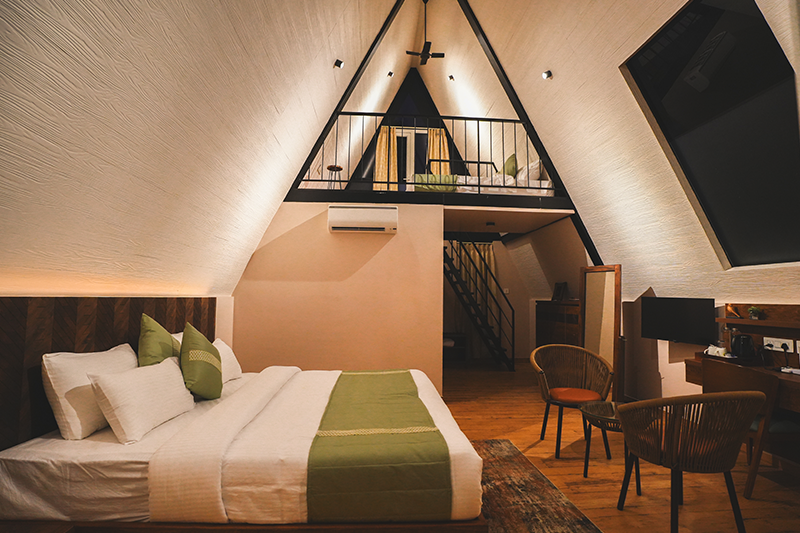
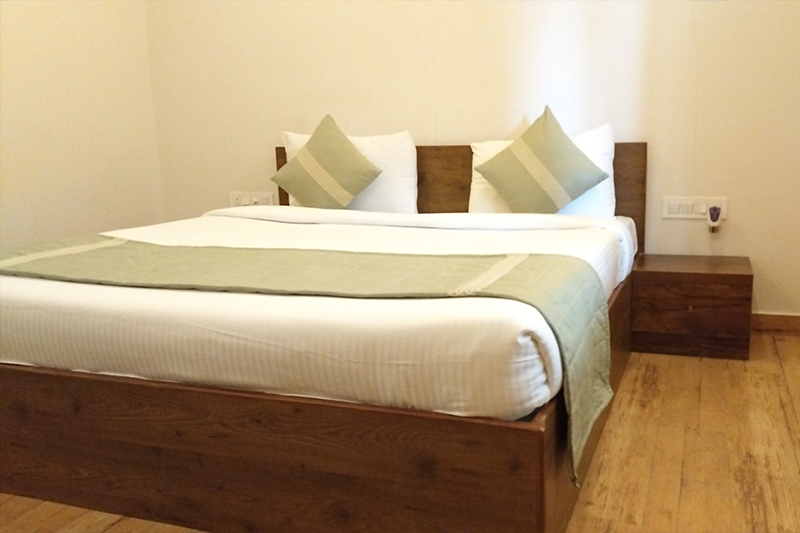
A property surrounded by coffee-growing landscapes offers a useful contrast to spending the entire trip around busy sightseeing areas. INIKA Resorts, located in the Virajpet area of Coorg, places guests in a coffee-estate setting while providing a comfortable base for exploring the wider region.
For travelers interested in culture, the advantage of staying in a quieter part of Coorg is that the trip does not have to revolve around rushing between attractions. Time can be divided between sightseeing, local food, countryside drives and slower moments observing the landscape that has shaped the region’s traditional way of life.
INIKA Resorts can therefore fit naturally into a culture-focused Coorg itinerary as a place to return to between local explorations, particularly for travelers who want their accommodation experience to remain connected to the area’s greenery and plantation environment.
When Is the Best Time to Explore Kodava Culture?
There is no single month that represents Kodava culture completely.
Festival periods can offer a stronger opportunity to encounter traditional dress, ceremonies, dances and community gatherings, but they also require greater sensitivity because many events are primarily meaningful to local families rather than designed for visitors.
For a broader cultural trip, it can be useful to combine a visit to heritage areas with local food experiences, countryside drives and time around coffee plantations.
If your primary interest is photography, festival dates can provide visually rich scenes, but always prioritize permission and cultural etiquette over getting a particular photograph.
Final Thoughts
Kodava culture gives Coorg a depth that goes beyond its scenery. The okka expresses family identity, the ainmane connects generations to ancestral land, festivals link community life with agriculture and nature, while traditional clothing preserves a highly recognizable cultural identity.
At the same time, Kodava society is not frozen in the past. Families have adapted to modern education, careers, migration and changing lifestyles while continuing to preserve important traditions.
That is what makes exploring Kodava culture in Coorg worthwhile. Look beyond the photographs of traditional dress and festival dances, and you begin to see the relationship between people, family, land, food and memory that has shaped Kodagu for generations.