



1. Introduction: A Highland Paradise in Southern India
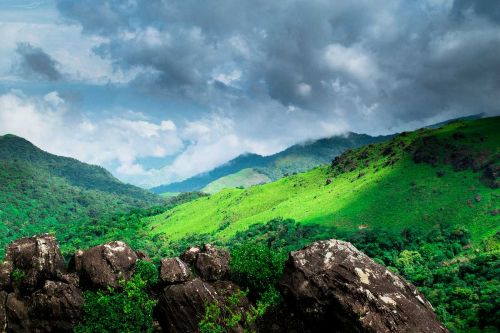
There are places you visit—and then there are places you feel. As you wind your way up the hills of southern India, the air turns cooler, the roads curve through endless greenery, and a soft mist begins to drift across the landscape. The scent of fresh coffee plantations mixes with the crisp mountain breeze. Rolling hills stretch into the distance, layered in shades of deep green. It feels peaceful, almost dreamlike. This is Madikeri, the heart of Karnataka’s beloved hill region.
Nestled in the lush hills of the Kodagu district, Madikeri serves as the charming headquarters of what most travelers fondly call Coorg. While Kodagu is the official name, Coorg is the name that has captured the imagination of visitors for decades. With its scenic valleys, forest-covered slopes, and cool climate, this region offers a refreshing escape from the heat and rush of city life. It’s not just a destination—it’s a retreat into nature’s calm embrace.
You may have heard Coorg described as the “Scotland of India.” At first, the nickname might sound poetic or even exaggerated. But spend a little time here, and the comparison begins to make sense. Just like Scotland, Coorg is defined by its highland geography, misty mornings, rolling hills, and a climate that stays pleasantly cool for most of the year. The landscape feels dramatic yet soothing—where clouds drift lazily over mountain peaks and the wind carries a quiet stillness through the valleys.
The similarity isn’t just about appearance. It’s about the atmosphere. The cool weather, the lush green expanses, the layered hills fading into fog—together they create a mood that feels distinctly highland in character. Geography shapes the terrain, the climate nurtures the greenery, and the peaceful surroundings create an almost timeless charm.
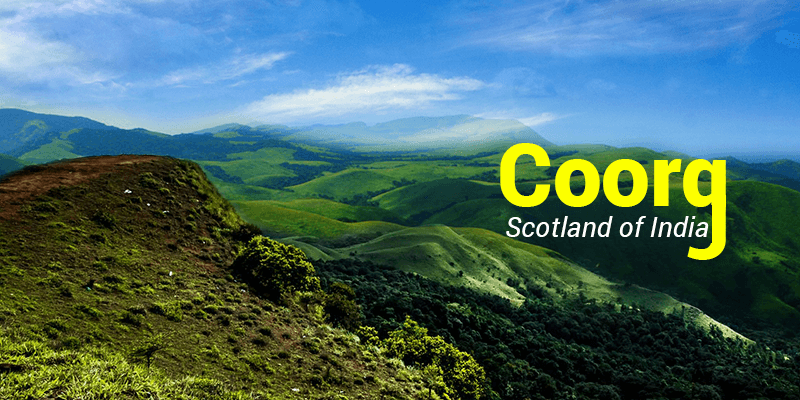
In every sense, Madikeri and the wider Coorg region offer a rare blend of natural beauty and tranquil ambiance. It is this unique combination of landscape, weather, and feeling that has earned it one of India’s most romantic nicknames—and made it a true highland paradise in southern India.
2. Understanding the Geography of Madikeri, Coorg
Location and Elevation
Madikeri, the heart of Coorg, is beautifully nestled in the majestic Western Ghats of southern India. Located in Karnataka’s Kodagu district, this charming hill town sits at an average elevation of around 1,150 to 1,200 meters above sea level. This height above the plains is one of the main reasons why Madikeri enjoys such a pleasant and refreshing climate throughout the year. Even during summer, when nearby cities experience rising temperatures, Madikeri remains cool, misty, and comfortable.
Being part of the Western Ghats — a UNESCO-recognized biodiversity hotspot — the region is blessed with rich natural diversity. The high elevation not only shapes the weather but also influences the entire landscape. The air feels lighter, the mornings are often wrapped in gentle fog, and evenings carry a crisp mountain chill that adds to its hill-station charm.
The terrain here is distinctly mountainous. Instead of flat stretches of land, you’ll notice undulating hills rising and falling in soft waves across the horizon. These rolling heights create countless scenic viewpoints where valleys open up below and layers of green hills fade into the distance. The combination of altitude and mountain terrain gives Madikeri its postcard-perfect scenery — the kind that feels peaceful, dramatic, and deeply refreshing at the same time.
Terrain and Natural Formation
The geography of Madikeri is shaped by centuries of natural formation. The landscape is dominated by rolling hills, deep valleys, and dense forest-covered slopes that stretch endlessly in every direction. These hills are not sharp or rocky like desert mountains; instead, they are lush and carpeted with greenery, coffee plantations, and spice gardens.
Between these hills lie beautiful valleys where mist often settles in the early morning hours. During the monsoon season, these valleys turn even more vibrant, with waterfalls forming in hidden corners and streams flowing more freely. The natural layering of hills and valleys creates breathtaking panoramic views that change colors with the shifting sunlight.
The forest-covered slopes are another defining feature of the region. Thick tropical forests thrive here due to the elevation and heavy rainfall. These forests are home to diverse flora and fauna, making the area ecologically significant. The greenery is not just decorative — it plays an essential role in maintaining the region’s climate and supporting its wildlife.
Madikeri is also close to the origins of important rivers, including the sacred River Kaveri, which begins its journey in the nearby hills. The presence of river sources further enriches the soil and sustains the lush vegetation. Altogether, the rolling hills, deep valleys, dense forests, and river origins combine to create the unique and captivating geography that makes Madikeri truly special.
3. The Landscape That Mirrors the Scottish Highlands
Rolling Green Hills
One of the first things you’ll notice is the endless stretch of rolling green hills that seem to flow naturally into one another. There are no harsh edges or dramatic cliffs here—just soft, continuous layers of green that rise and fall gently across the horizon. These uninterrupted slopes create a peaceful rhythm in the landscape, almost like waves frozen in time.
The beauty lies in their simplicity. As you stand at a viewpoint, you can see expansive open views spreading out in every direction. The hills don’t feel crowded or chaotic; instead, they feel wide, breathable, and calm. This openness is what often reminds travelers of the Scottish Highlands. The topography has that same sweeping, highland-like character—broad elevations, long ridgelines, and valleys tucked quietly in between.
During different times of the day, the hills transform in subtle ways. Early morning light paints them in soft gold tones, while late afternoon sun deepens the greens into rich emerald shades. Even on cloudy days, the terrain holds a quiet charm. The layered slopes create depth and dimension, making the scenery feel almost cinematic.
Walking through these hills gives you a sense of freedom. There’s space to wander, space to pause, and space to simply admire the view. Whether you’re taking photographs or just standing still, the rolling landscape invites you to slow down and take it all in.
Mist and Cloud-Covered Valleys
If the hills provide the structure, the mist provides the magic. Early mornings often begin with a delicate layer of fog resting gently over the valleys. The low-hanging clouds drift slowly between the hills, partially hiding and then revealing the scenery in a quiet, dramatic display.
This shifting curtain of mist creates an atmosphere that feels almost otherworldly. One moment you can see distant ridges clearly, and the next they disappear behind a veil of white. It adds movement and emotion to the landscape, turning an already beautiful setting into something truly captivating.
The monsoon season intensifies this effect. Moisture in the air gathers quickly, wrapping the hills in thick clouds that roll across the terrain. The sky, the valleys, and the slopes blend together in soft shades of gray and green. It’s this monsoon-driven atmospheric drama that enhances the resemblance to the Scottish Highlands, where mist and weather are part of the region’s identity.
Standing in the middle of a cloud-covered valley is an experience in itself. The air feels cooler, fresher, and slightly damp. Sounds become softer, and the entire landscape takes on a peaceful, almost poetic mood.
Lush Grasslands and Forests
Beyond the hills and mist, the region’s lush grasslands and forests complete the highland-like setting. Thick evergreen and semi-evergreen forests spread across the slopes, adding layers of texture and color to the terrain. These forests are dense yet harmonious, blending naturally with the open landscapes around them.
Between the wooded areas, you’ll find open meadows that stretch out like green carpets. These grasslands are bright and vibrant, especially after rainfall. The contrast between dark forest patches and lighter open fields creates a visual balance that feels both wild and welcoming.
The combination of forests and meadows is what gives the countryside its striking resemblance to highland scenery. It’s not just about greenery—it’s about how different elements coexist. Tall trees, soft grasses, and wide clearings come together to form a landscape that feels timeless.
Whether you’re exploring forest paths or standing in an open meadow with hills in the distance, the surroundings feel immersive. The greenery isn’t overwhelming; it’s soothing. Together, the grasslands and forests shape a countryside that mirrors the charm and character of a classic highland panorama.
4. Climate: Cool, Breezy, and Refreshing
One of the most beautiful things about Coorg is its climate. The weather here plays a big role in making the destination feel calm, welcoming, and refreshing throughout the year. Whether you visit in summer, monsoon, or winter, Coorg always has a unique charm waiting for you.
Year-Round Pleasant Weather
Coorg enjoys a comfortable climate that makes it suitable for travel almost any time of the year. Unlike many other destinations in South India that can become extremely hot, Coorg remains relatively mild and soothing.
During the summer months, temperatures stay moderate. While nearby cities may experience intense heat, Coorg feels much cooler due to its higher elevation and lush greenery. The mornings are fresh, the afternoons are warm but manageable, and the evenings turn pleasantly cool. This makes sightseeing comfortable, even for families with children or senior members.
The cool evenings are especially enjoyable. After a full day of exploring scenic viewpoints, coffee plantations, or waterfalls, you can relax outdoors without feeling exhausted by the heat. A light jacket is often enough to stay cozy.
Daytime temperatures remain comfortable for activities like nature walks, temple visits, and wildlife experiences. The balanced climate means you won’t feel rushed to avoid the sun or extreme cold. Instead, you can explore at a relaxed pace and truly enjoy your surroundings.
The Magic of Monsoon
Monsoon in Coorg is nothing short of magical. From around June to September, the region receives heavy rainfall that completely transforms the landscape.
Yes, the rain can be intense at times, but it brings life to the hills. The greenery becomes deeper and more vibrant. Coffee estates look fresh and alive, and the entire region feels like a living painting. Mist gently rolls over the hills, creating dramatic and breathtaking views.
Waterfalls and streams become more powerful during this season. The sound of flowing water echoes through the valleys, adding to the peaceful atmosphere. For nature lovers and photographers, monsoon is one of the most rewarding times to visit.
However, travelers should be prepared for sudden showers and slippery roads. Carrying rain gear and planning flexible schedules helps make the experience smoother. If you enjoy cozy weather, hot tea, and scenic rain-washed landscapes, the monsoon in Coorg will feel unforgettable.
Winter Mist and Highland Feel
Winter in Coorg brings a completely different charm. From around November to February, the air turns crisp and refreshing, giving the region a true highland feel.
Early mornings are often covered in soft mist. The fog slowly lifts as the sun rises, revealing dew-covered plants and quiet hills. These moments feel peaceful and almost magical, especially if you enjoy calm surroundings.
The air during winter is clean and cool without being too harsh. Daytime remains comfortable for sightseeing, while evenings can become chilly enough to enjoy light woolens. Many travelers love sitting outdoors with warm coffee, soaking in the cool breeze.
The dew-covered landscapes sparkle under the morning sunlight, creating postcard-like views. Winter is ideal for relaxed travel, photography, and peaceful family vacations. The weather encourages slow exploration, meaningful conversations, and truly immersive experiences in nature.
5. Coffee Plantations and Countryside Ambience
Expansive Coffee Estates
One of the most beautiful experiences in Coorg is simply driving through its endless coffee estates. The landscape feels like a green ocean rolling over hillsides, where coffee plants grow in neat rows along the slopes. These plantations stretch far beyond what the eye can see, creating a peaceful and refreshing atmosphere that instantly makes you slow down and breathe a little deeper.
Unlike many commercial farms, coffee in Coorg is mostly shade-grown. Tall silver oak, jackfruit, and other native trees rise high above the coffee shrubs, forming a natural canopy. This layered greenery not only protects the plants from harsh sunlight but also creates a cool, misty environment that feels magical in the early morning. As you walk through an estate, you’ll notice how calm and quiet it is — just the sound of birds, rustling leaves, and occasionally the soft crunch of gravel under your feet.
During the harvesting season, the estates become even more vibrant. Red coffee cherries dot the plants like tiny jewels, adding a splash of color to the deep green surroundings. Many estates allow visitors to take guided tours, where you can learn how coffee is grown, picked, dried, and processed. It’s a fascinating journey from plant to cup, and it helps you appreciate every sip a little more.
Spending time in these expansive estates isn’t just about sightseeing; it’s about experiencing a lifestyle deeply connected to nature. Whether you’re staying at a plantation homestay or just passing through, the vast coffee landscapes are an essential part of Coorg’s charm.
Rustic Charm
Beyond the plantations themselves, Coorg’s countryside has a rustic beauty that feels untouched and authentic. Narrow, winding roads curve gently through the hills, often bordered by thick greenery on both sides. Driving along these quiet lanes is an experience in itself. There are no loud city sounds — only the hum of your vehicle and the occasional call of birds echoing through the trees.
Scattered across the countryside are charming plantation houses, many of which have been standing for generations. These homes, often painted in soft earthy tones, reflect a simple yet elegant lifestyle. Large verandas, sloping tiled roofs, and spacious courtyards give them a warm and welcoming feel. Some have been converted into homestays, allowing visitors to enjoy a slower pace of life while surrounded by nature.
The true beauty of Coorg’s rural setting lies in its tranquility. Life moves at a comfortable rhythm here. Early mornings bring a cool breeze and the scent of fresh coffee, while evenings are calm and peaceful, often wrapped in a soft mist. It’s the kind of place where you can sit outside with a cup of coffee, watch the hills change color with the setting sun, and feel completely at ease.
This rustic charm is what makes the countryside unforgettable. It’s not flashy or crowded — it’s simple, soothing, and deeply connected to nature.
Colonial-Era Influence
Coorg’s coffee culture has strong historical roots, and traces of colonial influence can still be seen across the region. Many of the older plantation bungalows were built during the British era, and their architecture reflects that period. High ceilings, wide corridors, wooden beams, and large windows are common features that were designed to keep homes cool and airy in the tropical climate.
Walking through these estates, you can sense the legacy of an older time. The layout of the plantations, the structured estate management systems, and even certain lifestyle traditions have been shaped by this colonial past. Over time, local culture blended with these influences, creating a unique estate culture that defines Coorg today.
The estate lifestyle often revolves around community gatherings, traditional hospitality, and a strong connection to the land. Families who have owned plantations for generations take pride in preserving both their heritage and the environment around them. While modern comforts have been added over the years, the essence of that old-world charm still remains.
This blend of history, culture, and natural beauty gives Coorg’s countryside a distinctive identity. It’s not just about coffee — it’s about stories, traditions, and a way of life that has evolved gracefully through time.
6. Scenic Viewpoints That Strengthen the Comparison
Coorg’s charm truly comes alive when you stand at its viewpoints. The rolling hills, drifting clouds, cool breeze, and endless greenery often make visitors feel like they’ve stepped into a highland destination far away from the plains. These four iconic spots beautifully highlight that elevated, mountain-like atmosphere.
🌄 Raja’s Seat – Valley Views and Sunsets
Perched on a gentle hill in Madikeri, Raja’s Seat offers one of the most relaxing panoramic views in Coorg. As you look out from the viewpoint, layers of green valleys stretch endlessly into the distance. On clear days, you can see mist floating over the hills, creating a soft, dreamy landscape that feels similar to classic hill stations.
Sunset is the real highlight here. As the sun slowly dips behind the mountains, the sky turns shades of orange, pink, and gold. The cool air, combined with the open valley view, gives you that unmistakable highland vibe — peaceful, scenic, and slightly dramatic. It’s the kind of place where you naturally slow down, breathe deeply, and simply admire nature’s beauty.
🏔 Mandalpatti – Elevated Panoramic Hilltop
If you want a more adventurous, truly “above the clouds” experience, Mandalpatti is the perfect choice. Located at a higher altitude, this hilltop viewpoint offers sweeping 360-degree views of the Western Ghats. The drive up itself feels like a mountain expedition, adding to the thrill.
Once you reach the top, the view is breathtaking. Rolling hills appear like waves frozen in time, and during misty mornings, the clouds drift across the slopes, creating a magical highland atmosphere. The sense of openness and elevation makes Mandalpatti feel almost Himalayan in spirit — raw, vast, and untouched.
🌊 Abbey Falls – Waterfall Amidst Greenery
Abbey Falls brings a different kind of scenic drama. Surrounded by coffee plantations and dense greenery, the waterfall cascades down rocky terrain, creating a refreshing natural spectacle. The sound of rushing water echoes through the forest, adding to the immersive experience.
The thick vegetation and slightly misty surroundings often make the area feel cooler and more mountainous than the actual altitude suggests. It’s this combination of water, forest, and natural elevation that gives Abbey Falls its highland-like character.
🏰 Madikeri Fort – Historic Hilltop Structure
Madikeri Fort adds history to the highland scenery. Standing within the fort grounds, you can see surrounding hills and town views from an elevated position. The old stone walls, combined with the backdrop of rolling landscapes, create a classic hill-station feel.
Together, these viewpoints showcase Coorg’s sweeping landscapes — layered hills, misty horizons, waterfalls, and elevated vantage points — all of which strongly strengthen the comparison to a serene highland destination.
7. Biodiversity and Natural Richness
Part of the Western Ghats Ecosystem
Coorg is not just a beautiful hill destination; it is an important part of the larger Western Ghats ecosystem, one of the most significant biodiversity hotspots in the world. Being part of this ancient mountain range means Coorg enjoys a rich natural heritage that has evolved over millions of years. The region’s geography, heavy monsoon rains, and varied altitude create the perfect conditions for a wide range of plant and animal life to thrive.
The Western Ghats are globally recognized for their ecological importance because they support an incredible variety of species, many of which are found nowhere else on Earth. Coorg’s dense forests form a vital section of this natural network. These forests are not just thick clusters of trees; they are living ecosystems filled with towering evergreen trees, layered vegetation, medicinal plants, and rare flora that contribute to the area’s environmental balance.
Walking through these forests, you can notice how vibrant and alive everything feels. The air is cooler, fresher, and filled with the sounds of insects and distant bird calls. The dense canopy helps regulate temperature, conserve water, and protect the soil from erosion. Streams and rivers that originate here support both wildlife and human communities downstream.
Because of its location within the Western Ghats, Coorg plays an essential role in maintaining ecological stability. The forests act as carbon sinks, help in maintaining rainfall patterns, and provide natural habitats for countless species. This delicate balance between land, water, plants, and animals makes the region far more than just a tourist attraction — it is a living, breathing environmental treasure. Protecting this ecosystem ensures that future generations can continue to experience its untouched beauty and natural abundance.
Wildlife and Birdlife
Coorg’s wildlife is one of its most fascinating natural strengths. The forests and riverbanks here provide shelter to many native species that are deeply connected to the Western Ghats’ ecological system. From large mammals to tiny insects, every creature plays a role in maintaining the region’s rich ecological balance.
Elephants, deer, and various small mammals roam freely in protected forest areas, while reptiles and amphibians thrive in the moist environment created by regular rainfall. What makes this region truly special is the presence of endemic species — animals and birds that are found only in this part of the world. Their survival depends on the preservation of these forests.
Birdlife in Coorg is especially impressive. Early mornings are filled with melodious calls echoing through the hills. Colorful birds can be spotted perched on tree branches or gliding above the canopy. The combination of forests, rivers, and open landscapes creates diverse habitats, making the region a paradise for birdwatchers and nature lovers.
The true beauty of Coorg’s wildlife lies in its balance. Predators and prey coexist within a carefully maintained food chain, ensuring that no species overwhelms the environment. This natural harmony reflects how interconnected everything is — plants support herbivores, herbivores sustain carnivores, and all contribute to soil and forest health.
Experiencing this biodiversity reminds visitors that nature functions best when left undisturbed. Coorg’s wildlife and birdlife are not just attractions; they are essential parts of a thriving ecosystem that deserves respect, care, and conscious preservation.
8. The Cultural Depth of Kodagu
The Kodava Community
Kodagu, often known for its misty hills and coffee estates, is equally rich in culture. At the heart of this region is the Kodava community, an indigenous group with a distinct identity that sets them apart from other communities in Karnataka. Their traditions are deeply rooted in the land, and their lifestyle reflects a strong sense of pride, discipline, and unity.
One of the most striking aspects of the Kodava community is their traditional attire. Kodava men typically wear a long black coat known as Kupya, paired with a colorful waist sash called Chele. A decorative dagger, or Peechekathi, is often tucked into the sash, symbolizing their martial heritage. Women wear a unique style of saree draped differently from the conventional way, with pleats at the back instead of the front. This distinctive dress is not just cultural clothing; it represents identity, honor, and continuity.
The Kodavas are also historically known for their martial background. Unlike many other communities, they traditionally carried arms and served as warriors. Their bravery and discipline have contributed significantly to India’s armed forces over the years. This warrior spirit is still visible today in their strong values of courage, loyalty, and respect for family and community.
Beyond attire and history, the Kodava community places immense importance on family bonds. Ancestral homes, known as Ainmanes, serve as cultural centers where extended families gather during important ceremonies. Respect for elders, community gatherings, and shared responsibilities form the foundation of their social structure.
In Kodagu, culture is not something displayed only during festivals—it is lived every single day.
Festivals and Traditions
Festivals in Kodagu are vibrant reflections of its agricultural roots and close connection to nature. The Kodava calendar is closely tied to farming cycles, especially rice cultivation, which has historically been central to the region’s economy.
One of the most celebrated festivals is Puthari, the harvest festival. It marks the cutting of the new rice crop and is celebrated with traditional rituals, family feasts, and folk songs. The festival is both a thanksgiving ceremony and a joyful family reunion. Homes are decorated, prayers are offered, and traditional dishes are prepared using freshly harvested rice.
Another important celebration is Kailpodh, which is linked to the community’s martial traditions. On this day, weapons are worshipped and honored, reflecting gratitude for protection and strength. It highlights how agriculture and martial heritage coexist in Kodava culture.
These festivals are not commercial or overly crowded events. They remain intimate, family-centered celebrations that preserve age-old customs. Rituals are performed with sincerity, and stories are passed down from one generation to another. Through these seasonal celebrations, the Kodavas maintain a deep respect for the land, ancestors, and natural cycles.
Harmony Between Nature and Culture
In Kodagu, culture and nature are beautifully intertwined. The region’s famous coffee plantations are not just economic assets; they shape daily life and community values. Many Kodava families own and manage plantations, where work begins early in the morning and revolves around seasonal rhythms.
The plantation lifestyle encourages simplicity and a strong connection to the environment. Families grow their own crops, respect forest boundaries, and understand the importance of sustainable living. Children grow up learning about the land, wildlife, and weather patterns as part of everyday conversation.
Community-based living is another defining feature of Kodagu’s culture. Neighbors often support one another during harvest seasons, weddings, and festivals. Social gatherings are warm and inclusive, reinforcing bonds that go beyond immediate family ties.
What makes Kodagu special is this quiet balance. Modern influences may be present, but traditional values remain strong. The people continue to celebrate their heritage while respecting the natural beauty that surrounds them. In Kodagu, culture is not separate from nature—it grows with it, just like the coffee plants that flourish on its hills.
9. Emotional and Experiential Similarities to Scotland
There’s something quietly magical about waking up here. The air feels cooler, softer — almost like it’s carrying stories from the hills. Early mornings arrive wrapped in a delicate veil of mist, drifting lazily over rolling landscapes. As the sun slowly pushes through the clouds, the countryside reveals itself in layers of green, grey, and gold. In those moments, it’s easy to feel transported to the Scottish Highlands — where nature speaks in whispers instead of noise.
Quiet Countryside
The countryside stretches out in calm openness. Instead of traffic horns and crowded streets, you hear the rustle of leaves, distant birdsong, and the gentle wind brushing across the hills. Villages feel tucked away from the rush of modern life, with winding roads that invite slow drives and unplanned stops. It’s the kind of place where time doesn’t feel urgent. The silence isn’t empty — it’s peaceful, grounding, and deeply comforting.
Slow-Paced Lifestyle
Life here moves at a rhythm that feels intentional. People greet each other warmly, conversations linger, and meals are meant to be savored, not rushed. There’s no pressure to tick off a checklist of attractions. Instead, the joy lies in simply being present — sipping a hot cup of tea while gazing at distant hills, or taking a quiet evening walk as the sky turns shades of amber and pink. Much like Scotland’s rural charm, the slower pace allows you to breathe a little deeper and live a little lighter.
Dramatic Landscapes
The landscapes carry a dramatic beauty that feels almost cinematic. Rolling hills meet dense forests, valleys dip gently into hidden streams, and clouds cast ever-changing shadows across the terrain. The scenery shifts with the weather — bright and vivid one moment, moody and mysterious the next. This dynamic character gives every visit a slightly different personality, just like the Highlands known for their raw, untamed elegance.
Romantic Misty Mornings
Mornings are perhaps the most enchanting. Mist curls around treetops and drapes over fields like a soft blanket. Everything feels hushed, intimate, and quietly romantic. It’s the kind of atmosphere that invites reflection — or simply standing still and letting the cool air brush against your skin.
Solitude and Serenity
Above all, there is a deep sense of solitude and serenity. Even in popular spots, you can find quiet corners where it feels like the world has paused just for you. It’s not about isolation — it’s about connection. Connection to nature, to stillness, and perhaps even to yourself.
10. Best Time to Experience the “Scotland” Vibe
If you’re dreaming of mist-covered hills, rolling green landscapes, and cool mountain air that feels straight out of Scotland, timing your visit can make a big difference. Each season offers a slightly different mood, and depending on what kind of experience you’re looking for—romantic fog, dramatic monsoon beauty, or peaceful clear views—you can choose the perfect time to visit.
Monsoon (June–September)
Monsoon is when Coorg truly transforms into a lush green paradise. Heavy rainfall breathes new life into the forests, coffee plantations, and hills, turning the entire region into a vibrant canvas of deep greens. Waterfalls are at their most powerful during this time, flowing with full force and creating breathtaking scenes that feel raw and dramatic.
The mist during monsoon is what gives Coorg its strong “Scotland” vibe. Early mornings often begin with hills wrapped in soft white fog, slowly lifting as the day progresses. The air feels fresh, cool, and slightly chilly, making it perfect for nature lovers and photographers who enjoy moody landscapes.
However, frequent showers mean you’ll need to be prepared. Roads can be slippery, and outdoor activities may sometimes get delayed. If you enjoy cozy stays, hot coffee, and watching rain clouds drift over the hills, monsoon can be an unforgettable experience.
Winter (October–February)
Winter is considered one of the best seasons to enjoy Coorg comfortably. The weather remains cool and pleasant, with temperatures usually ranging from mild days to slightly chilly evenings. This is when you get the perfect balance—misty mornings and clear scenic views during the day.
The fog gently covers the valleys at sunrise, creating magical photo opportunities. As the sun rises higher, the skies clear up, revealing stunning landscapes, rolling hills, and endless greenery. It’s an ideal time for sightseeing, trekking, and exploring viewpoints without worrying about heavy rain.
Winter evenings are especially charming. The cool breeze and calm surroundings make it perfect for relaxing stays, bonfires, and quiet family time. If you want that dreamy “Scotland-like” atmosphere without the challenges of heavy rainfall, winter is a safe and enjoyable choice.
Early Summer (March–May)
Early summer in Coorg is surprisingly pleasant compared to many other parts of South India. While nearby cities may experience heat, Coorg remains relatively calm and comfortable due to its elevation and greenery.
Days are warm but not overwhelming, and mornings and evenings are still refreshing. The skies are generally clear, offering uninterrupted scenic views of hills and valleys. This is a good time for relaxed travel, especially for families who prefer stable weather conditions.
Early summer also means fewer weather-related disruptions. You can explore comfortably, enjoy outdoor activities, and experience Coorg’s charm without heavy crowds in some areas. While it may not have the dramatic mist of monsoon or the chilly romance of winter, it offers a balanced, peaceful experience for travelers who prefer predictability and comfort.
11. Why the Name “Scotland of India” Truly Fits
When people call Coorg the “Scotland of India,” it isn’t just a poetic nickname — it actually makes a lot of sense once you experience the region. The comparison comes from a mix of landscape, climate, and overall atmosphere that closely resembles the Scottish Highlands.
Similar Landscape Structure
One of the strongest reasons behind this comparison is the terrain. Coorg is filled with undulating hills, layered ridges, and vast green stretches that roll endlessly into the horizon. Just like Scotland’s countryside, the land here rises and falls gently rather than forming sharp mountain peaks. The visual rhythm of these rolling elevations creates a soothing, almost cinematic view that feels strikingly similar to the landscapes seen in the Scottish Highlands.
Comparable Cool Climate
Unlike most parts of South India that experience warm or tropical weather, Coorg enjoys a pleasantly cool climate for much of the year. Early mornings are crisp, evenings feel refreshing, and the monsoon season wraps the hills in a dreamy mist. This cooler atmosphere plays a big role in the “Scotland” comparison. The weather here allows you to enjoy long walks, hot beverages, and relaxed outdoor moments — much like one would in a European countryside setting.
Rolling Highlands
The continuous stretch of highlands adds to the resemblance. Coorg’s elevated terrain gives travelers breathtaking viewpoints where valleys and hills merge beautifully. The vast coffee plantations and forested slopes spread across these highlands create a peaceful and open landscape, similar to the wide, grassy expanses that define Scotland’s rural charm.
Mist-Covered Valleys
One of the most magical sights in Coorg is watching mist float slowly over the valleys during early mornings. The fog settles gently between hills, creating soft, layered visuals that look almost surreal. This misty ambiance is one of the most noticeable similarities between Coorg and Scotland, enhancing the romantic and tranquil feel of the region.
Peaceful Rural Atmosphere
Beyond scenery and climate, Coorg shares Scotland’s calm and unhurried rural vibe. Life moves at a slower pace here. Small villages, plantation estates, winding roads, and the absence of urban chaos make it a perfect retreat for those seeking quiet beauty.
All these elements combined — terrain, climate, mist, and serenity — make the title “Scotland of India” feel not exaggerated, but truly earned.
12. Frequently Asked Questions (SEO Boost Section)
Why is Coorg called the Scotland of India?
Coorg earned the nickname “Scotland of India” because of its rolling green hills, mist-covered landscapes, cool climate, and breathtaking natural beauty. When British officers settled here during colonial times, they were reminded of the scenic countryside of Scotland — with its undulating terrain, dense forests, and cloudy skies. The comparison stuck, and over time it became one of Coorg’s most popular identities.
But the charm of Coorg goes far beyond just a visual similarity. The region is filled with sprawling coffee plantations, sparkling waterfalls, dramatic viewpoints, and peaceful valleys that create a dreamy atmosphere throughout the year. During the monsoon and winter seasons especially, the mist floating over the hills gives the landscape a magical, almost European feel.
What truly makes the title meaningful is the emotional experience. Just like Scotland is known for its rugged beauty and calm countryside, Coorg offers a refreshing escape from busy city life. The cool breeze, fresh air, and endless greenery instantly relax visitors. While the nickname is catchy and romantic, Coorg has its own unique culture, traditions, and identity that make it much more than just a comparison.
Is Madikeri the same as Coorg?
This is one of the most common questions travelers ask. The simple answer is: not exactly. Coorg, officially known as Kodagu, is a district in Karnataka. Madikeri, on the other hand, is the headquarters and main town of the Coorg district.
Think of Coorg as the entire region, and Madikeri as its central hub. Most tourists stay in Madikeri because it offers easy access to major attractions like Raja’s Seat, Madikeri Fort, and Abbey Falls. It is also well connected by road and has a range of hotels, homestays, restaurants, and travel services.
However, Coorg includes many other beautiful areas beyond Madikeri, such as Kushalnagar, Virajpet, and Somwarpet. Each part of Coorg has its own charm — from river-side landscapes to plantation stays and wildlife experiences.
So while people often use the names interchangeably, Madikeri is actually just one important part of the larger Coorg region.
What is special about Madikeri’s climate?
Madikeri’s climate is one of its biggest attractions. Located at an altitude of around 1,150 meters above sea level, it enjoys pleasant weather throughout most of the year. Summers are mild and comfortable, with temperatures usually ranging between 15°C and 28°C — far cooler than nearby cities.
During the monsoon season, Madikeri transforms into a lush green paradise. Heavy rainfall nourishes the forests and coffee plantations, making the surroundings incredibly scenic. The hills often remain wrapped in mist, creating a peaceful and romantic atmosphere.
Winters are cool and refreshing, especially in the early mornings and evenings. The temperature can drop significantly at night, making it perfect for cozy stays and quiet nature walks.
Unlike many hill stations that experience extreme cold, Madikeri maintains a balanced climate. This pleasant weather is one of the reasons travelers keep returning year after year.
When is the best time to visit Madikeri?
The best time to visit Madikeri depends on the kind of experience you are looking for. For comfortable sightseeing and outdoor activities, October to March is considered ideal. During this period, the weather is cool, dry, and perfect for exploring viewpoints, waterfalls, and plantations.
If you love lush greenery and dramatic landscapes, the monsoon months from June to September can be incredibly beautiful. Waterfalls are at their fullest, and the entire region looks fresh and vibrant. However, heavy rains may sometimes affect travel plans.
Summer, from March to May, is also a good option for travelers who want to escape the heat of the plains. While it may feel slightly warmer compared to winter, it remains pleasant compared to most Indian cities.
In short, Madikeri is a year-round destination — each season offering a slightly different but equally memorable experience.
What makes Coorg different from other hill stations?
Coorg stands out because it blends natural beauty with strong cultural identity. While many hill stations focus mainly on scenic views, Coorg offers much more. It is known for its rich Kodava culture, traditional homes, unique cuisine, and deep-rooted history.
The region is one of India’s largest coffee producers, so plantation experiences are a major highlight. Staying in a coffee estate homestay gives visitors a completely different experience compared to standard hotels in other hill stations.
Coorg also combines wildlife, spirituality, adventure, and relaxation in one destination. You can visit waterfalls, interact with elephants, explore forests, enjoy river activities, and visit ancient temples — all within short distances.
Unlike overly commercialized hill stations, Coorg still maintains a calm and less crowded environment in many areas. This balance between tourism and tranquility is what truly sets it apart and makes it a favorite among families, couples, and nature lovers alike.
13. Conclusion: A Highland Escape in Southern India
Often called the “Scotland of India,” Coorg truly lives up to its nickname. Tucked away in the lush Western Ghats of Karnataka, this hill destination feels like a world apart from the rush of everyday life. Rolling coffee plantations stretch endlessly across misty hills, waterfalls sing through dense forests, and cool mountain air instantly refreshes both mind and body. The charm of Coorg lies not just in its scenery, but in the calm rhythm of life that flows gently through it.
What makes this highland escape so special is the way it connects you with nature without demanding anything complicated in return. You don’t need a packed itinerary or grand plans here. A quiet morning walk through dewy plantations, watching clouds drift over green valleys, or simply sitting by a viewpoint as the sun sets behind the hills can become the most memorable moments of your trip. Coorg teaches you to slow down, breathe deeper, and truly notice the beauty around you.
Beyond its landscapes, there is a peaceful energy that defines the region. The sound of birds at dawn, the scent of fresh coffee in the air, and the warmth of local hospitality create an atmosphere that feels welcoming and grounding. Whether you are traveling with family, friends, or on your own, Coorg offers space to reconnect — with loved ones, with nature, and with yourself.
This is not just a place to visit; it is a place to experience. Instead of rushing from one attraction to another, allow yourself to wander, explore hidden corners, taste local flavors, and embrace the slower pace. Let the misty mornings surprise you, let the rain add magic to the greenery, and let the silence of the hills calm your thoughts.
In the end, Coorg is more than a hill station in southern India. It is a reminder that sometimes the most meaningful journeys are the ones where you pause, immerse yourself fully, and return home feeling lighter, refreshed, and inspired.
Discover the magic of Madikeri Coorg, from its rolling green hills and misty valleys to serene coffee plantations, through the detailed guides on [Inika Resorts]. Whether you’re planning a family getaway, a romantic escape, or a nature-filled adventure, our insights help you explore Coorg like a local while enjoying its “Scotland of India” charm. From the best viewpoints to seasonal tips and hidden spots, [Inika Resorts] brings you closer to the heart of this highland paradise. Start your journey with us and make your trip to Madikeri truly unforgettable.