


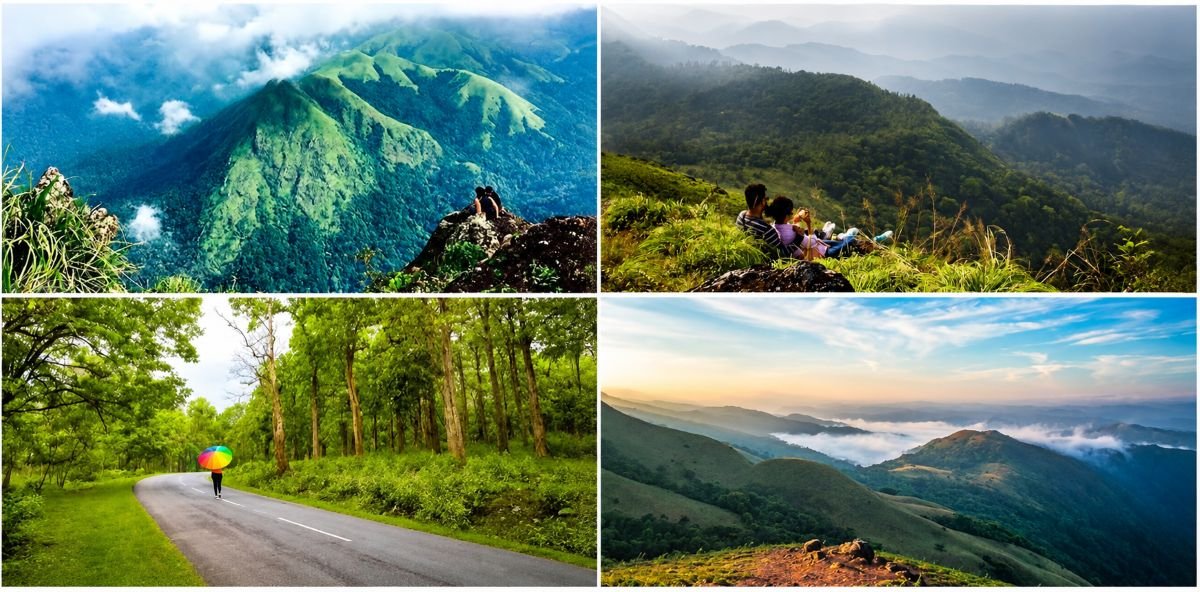
Coorg — known locally as Kodagu — transforms into something almost mythical when the southwest monsoon rolls in. If you are wondering whether July is the right month to explore this misty hill district of Karnataka, this guide walks you through the weather, the experiences, the practical planning, and the honest pros and cons, so you arrive prepared rather than surprised. Whether you are chasing thundering waterfalls, the scent of rain-soaked coffee blossoms, or simply a quiet window to unplug, here is everything worth knowing before you pack your bags.
What Is Coorg Weather Like in July?
July sits at the heart of Coorg’s monsoon season, and the district wears the rain proudly. Days are cool, overcast, and green in a way that photographs rarely capture fully. Temperatures stay gentle throughout the month, with daytime highs generally ranging from 23°C to 25°C and nighttime lows dipping to around 18°C to 20°C. There is no summer heat here — instead, you get a fresh, breezy climate that many travellers find deeply restful.
Rainfall is the headline. July is typically the wettest month of the year in Coorg, with the Madikeri area recording an average of roughly 600–700 mm of rain across 22–24 rainy days. Showers can be steady and prolonged rather than brief, and the higher ridges around Mandalpatti and Abbey Falls often stay wrapped in cloud. Humidity runs high — frequently 85% or above — and the skies remain mostly overcast, with only a few hours of direct sunshine on an average day. You can still expect around 11 hours of daylight, giving you plenty of time to explore between showers.
Coorg Weather in July at a Glance
| Weather Factor | July Average |
|---|---|
| Daytime high temperature | 23°C – 25°C |
| Nighttime low temperature | 18°C – 20°C |
| Monthly rainfall | ~600–700 mm |
| Rainy days | 22–24 days |
| Humidity | 85%+ |
| Cloud cover | Mostly overcast |
| Daylight | ~11 hours |
| Season | Southwest monsoon (peak) |
Is July a Good Time to Visit Coorg?
The honest answer is: it depends entirely on the trip you want. If your idea of a hill-station holiday involves full-flow waterfalls, mist curling through coffee estates, empty viewpoints, and off-season room rates, then July is one of the most rewarding months to visit Coorg. The landscape is at its most alive.
If, however, you dream of clear-sky treks, uninterrupted sunsets, and dry hiking trails, the peak monsoon may test your patience. Some viewpoints stay fogged in, and certain off-road destinations become inaccessible. The trick is to set the right expectations — travel for the rain, not despite it.
Pros and Cons of Visiting Coorg in July
Pros
- Waterfalls are at their most powerful and dramatic.
- Coffee estates and forests are lush, green, and fragrant.
- Fewer crowds and better value on stays.
- Cool, comfortable temperatures with no summer heat.
- Perfect weather for slow, indoor-outdoor resort holidays.
Cons
- Frequent, sometimes heavy rainfall can disrupt plans.
- Fog may obscure hilltop viewpoints.
- Trekking and off-road trails can be slippery or closed.
- Leeches are common on forest walks during monsoon.
Waterfalls in Full Monsoon Glory
Waterfalls are the undisputed stars of a July trip. Abbey Falls, just outside Madikeri, roars through the coffee and spice plantations and is easily reached via a short walk to a hanging bridge viewpoint. Iruppu Falls, near the Brahmagiri range, cascades down in a broad, forceful sheet and carries spiritual significance for pilgrims heading to the nearby temple. Chelavara and Mallalli Falls also swell impressively this time of year. A gentle word of caution: monsoon currents are strong, rocks are slick, and swimming near the base is unsafe — admire these giants from the marked viewpoints.
Coffee Plantations During the Rains
Coorg is coffee country, and the monsoon is when the estates look their most cinematic. Rain nourishes the arabica and robusta rows, mist drifts between the shade trees, and the earthy smell of wet soil and pepper vines fills the air. Many estates and resorts, including plantation-set properties like INIKA Resorts, offer guided walks where you can learn how beans are grown, picked, and processed. A hot cup of freshly brewed Coorg coffee tastes noticeably better with rain drumming softly on the roof.
Wildlife and Nature Experiences
The monsoon breathes life into Coorg’s forests. The Dubare Elephant Camp on the banks of the River Kaveri lets you observe and learn about resident elephants, though river activities may pause during high water levels. The forests around Nagarhole and the Brahmagiri Wildlife Sanctuary turn emerald, alive with birdsong, butterflies, and the occasional glimpse of deer. Nature lovers will find the wet season a quieter, more intimate time to connect with the landscape.
Photography Opportunities
For photographers, July is a gift. Low, moody light, layered mist over green valleys, water droplets on coffee leaves, and dramatic waterfall spray create images that dry-season visits simply cannot match. Bring rain protection for your gear, a microfibre cloth, and patience — the clouds part just often enough to reward those who wait.
Road Conditions and Driving Tips
Coorg’s main roads remain generally motorable through July, but conditions demand caution. Expect wet, winding ghat sections, reduced visibility in fog, and the occasional patch of loose gravel or fallen leaves. Drive slowly, keep headlights on, maintain safe distances, and avoid night driving on unfamiliar hill roads. Off-road and interior estate tracks can turn muddy, so a higher-clearance vehicle helps if you plan to explore beyond the main routes.
What to Pack for Coorg in July
- A sturdy, reliable umbrella and a hooded raincoat or poncho.
- Quick-dry clothing and an extra set of dry clothes.
- Waterproof shoes or sandals with good grip, plus a spare pair.
- A light jacket or sweater for cool evenings.
- Zip-lock bags or dry pouches for phones, cameras, and documents.
- Insect repellent and anti-leech salt or spray for forest walks.
- A power bank and any personal medication.
What to Wear
Think comfortable, breathable, and rain-ready. Layered casual clothing works best — light long sleeves for cool mornings and evenings, paired with waterproof footwear you don’t mind getting muddy. Skip delicate fabrics and open leather shoes; the damp will win.
Getting to Coorg: Transportation
Coorg does not have its own airport. The nearest airports are Mangalore (about 135–160 km) and Kannur in Kerala, with Bengaluru’s Kempegowda International Airport (roughly 250 km) being the most common gateway for domestic and international travellers. The nearest major railheads are Mysuru and Hassan, from where you can hire a taxi or take a bus. Most visitors reach Coorg by road via a scenic drive from Bengaluru or Mysuru — beautiful in the monsoon, but best done in daylight.
Safety Tips for a Monsoon Visit
- Check the local weather and road updates before day trips.
- Never wade into or swim near waterfalls or fast-flowing rivers.
- Watch your footing on wet steps, rocks, and trails.
- Carry a small first-aid kit and keep emergency contacts handy.
- Respect barricades and guide instructions at viewpoints.
- Keep valuables and electronics sealed against moisture.
Family Travel
Coorg in July can be wonderful for families who lean into cosy, relaxed itineraries. Short, easy outings to accessible waterfalls, coffee-estate walks, and elephant camps keep children engaged without long, tiring treks. A resort with indoor spaces, comfortable rooms, and on-site dining makes a rainy afternoon feel like a treat rather than a wash-out. Keep the schedule light and weather-flexible.
Honeymoon Travel
Few settings are as quietly romantic as monsoon Coorg. Misty mornings, the sound of rain, private plantation walks, warm meals, and long unhurried hours make it a favourite for honeymooners seeking calm over crowds. Couples looking for seclusion and atmosphere often find the off-season the most intimate time to visit, with the added bonus of better rates and fewer people around.
Adventure Activities
While some high-intensity activities scale back during peak rains, the monsoon still offers thrills. River rafting on the Barapole, near Kutta, runs its exciting season around the monsoon months and is a favourite for adrenaline seekers (always with certified operators and safety gear). Guided nature walks and short treks through green trails remain popular, though longer hikes to exposed ridges like Tadiandamol may be restricted or unsafe in heavy rain. Always confirm availability and conditions before booking.
Nearby Attractions
Beyond the waterfalls and estates, Coorg rewards curiosity. Visit the golden Namdroling Monastery at Bylakuppe, one of the largest Tibetan Buddhist settlements in India. Explore Raja’s Seat for valley views (weather permitting), the historic Madikeri Fort and Omkareshwara Temple, the river island of Nisargadhama, and Talakaveri, the sacred birthplace of the River Kaveri high in the Brahmagiri hills. Each offers a different slice of Coorg’s culture and landscape.
Suggested 2-Day Monsoon Itinerary
Day 1 — Waterfalls, Coffee, and Culture Start with a hearty breakfast, then head to Abbey Falls to see the monsoon at full force. Continue to a guided coffee-plantation walk to understand the region’s signature crop. After lunch, explore Madikeri Fort, Omkareshwara Temple, and Raja’s Seat if the skies clear. Return to your resort for a warm evening in, coffee in hand.
Day 2 — River, Wildlife, and Serenity Visit the Dubare Elephant Camp in the morning, then stop at Nisargadhama for a peaceful bamboo-grove walk. If conditions allow, drive toward Talakaveri or the Golden Temple at Bylakuppe. Wind down with an unhurried afternoon at your resort, soaking in the rain-washed surroundings before departure.
Why Stay at INIKA Resorts
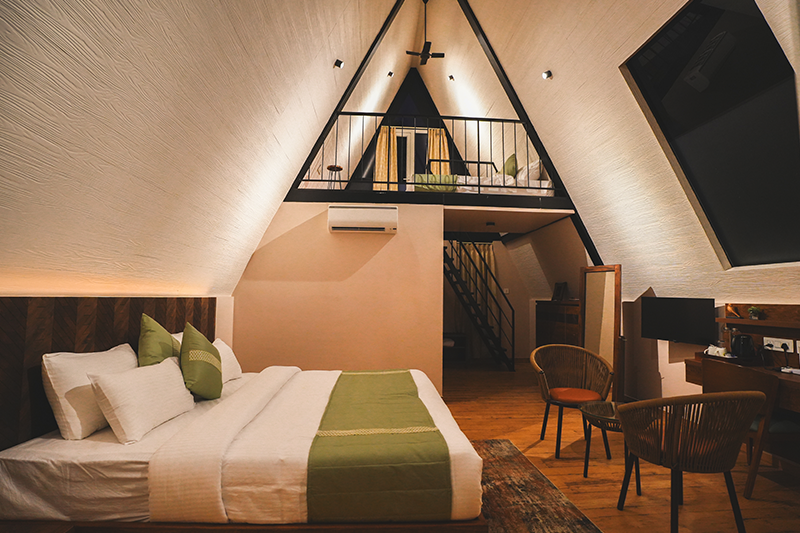
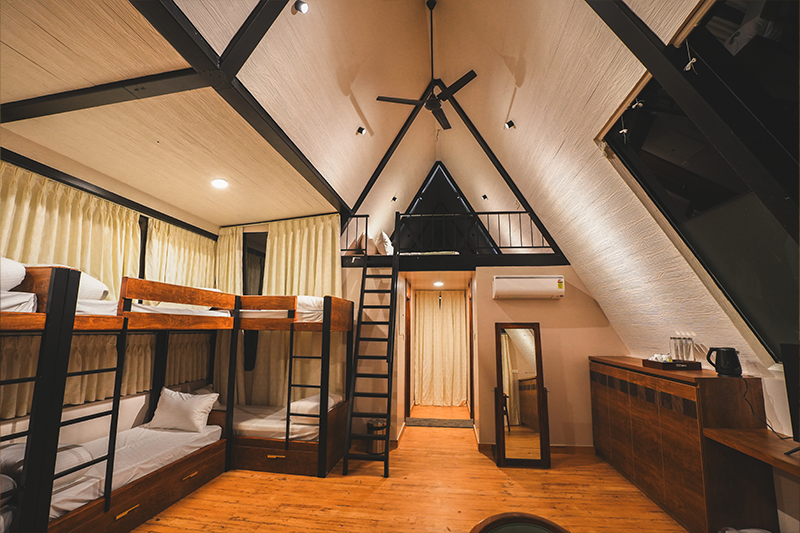
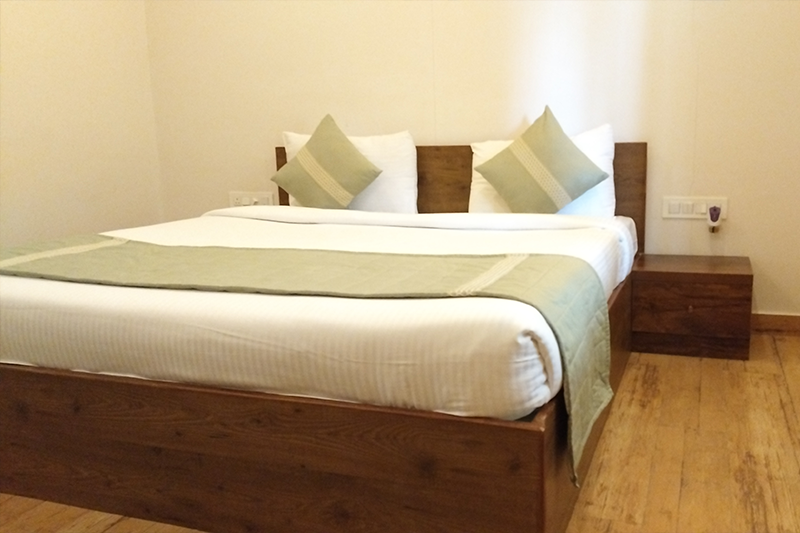
A monsoon trip is only as good as the place you return to each evening — and this is where INIKA Resorts comes into its own. Nestled amid Coorg’s green, plantation-rich landscape, INIKA Resorts is designed for exactly the kind of slow, restorative holiday July calls for. Comfortable rooms, warm hospitality, freshly prepared local cuisine, and cosy indoor spaces mean a rainy afternoon becomes a highlight rather than a hindrance. With scenic surroundings right at the doorstep, it is easy to balance out-and-about exploring with peaceful downtime. For families, couples, and solo travellers alike, INIKA Resorts offers a comfortable, dependable base to experience Coorg’s monsoon magic without compromising on ease.
Travel Planning Checklist
- Book accommodation and confirm monsoon-season availability.
- Arrange transport to Coorg via Bengaluru, Mysuru, or Mangalore.
- Pack rain gear, quick-dry clothing, and waterproof footwear.
- Waterproof your electronics and documents.
- Check waterfall and road conditions before day trips.
- Keep an itinerary that flexes around the weather.
Frequently Asked Questions (FAQs)
- Is July a good month to visit Coorg? Yes, if you enjoy monsoon scenery, waterfalls, and cool weather. It is less ideal for clear-sky sightseeing and long treks.
- How much rain does Coorg get in July? July is typically the wettest month, with roughly 600–700 mm of rain spread across 22–24 rainy days.
- What is the temperature in Coorg in July? Daytime highs range from about 23°C to 25°C, and nights cool to around 18°C to 20°C.
- Are waterfalls worth visiting in July? Absolutely. Waterfalls like Abbey Falls and Iruppu Falls are at their most powerful and scenic during the monsoon.
- Is it safe to travel to Coorg during the monsoon? Generally yes, with sensible precautions — cautious driving, avoiding fast-flowing water, and checking local conditions.
- Can I go trekking in Coorg in July? Short, guided nature walks are usually fine, but longer or high-ridge treks may be slippery, foggy, or restricted.
- What should I pack for a July trip to Coorg? Raincoat, umbrella, quick-dry clothes, waterproof shoes, a light jacket, dry pouches, and insect repellent.
- Which is the nearest airport to Coorg? Mangalore is the closest, while Bengaluru’s Kempegowda International Airport is the most commonly used gateway.
- Is river rafting available in July? Yes, monsoon is generally the season for river rafting on the Barapole, subject to water levels and certified operators.
- Are leeches a problem during monsoon? They can be on forest trails. Carry anti-leech salt or spray and wear covered footwear.
- Is Coorg good for a family trip in July? Yes, with a relaxed, weather-flexible itinerary and a comfortable resort base like INIKA Resorts.
- Is monsoon a good time for honeymoons in Coorg? Very much so — misty, romantic, secluded, and often better value than peak season.
- Will fog affect sightseeing? It can. Hilltop viewpoints such as Mandalpatti and Raja’s Seat may be cloud-covered at times.
- How many days are enough for Coorg in July? Two to three days is ideal to cover the highlights at a comfortable, rain-friendly pace.
- Should I book accommodation in advance? Yes. Even in the off-season, booking ahead secures the best options and rates, especially at popular resorts.
Conclusion
Coorg in July is not for everyone — but for those who love the drama and calm of the monsoon, it is unforgettable. The waterfalls thunder, the coffee estates glow green, the crowds thin out, and the air turns crisp and clean. With the right expectations, a flexible plan, and a comfortable base like INIKA Resorts to return to, a July visit to Coorg becomes a soulful, refreshing escape from the ordinary. Pack your rain gear, embrace the mist, and let Coorg’s monsoon work its quiet magic.