





Coorg’s Biodiversity Hotspot: Elephants, Leopards, and Hornbills in Your Backyard
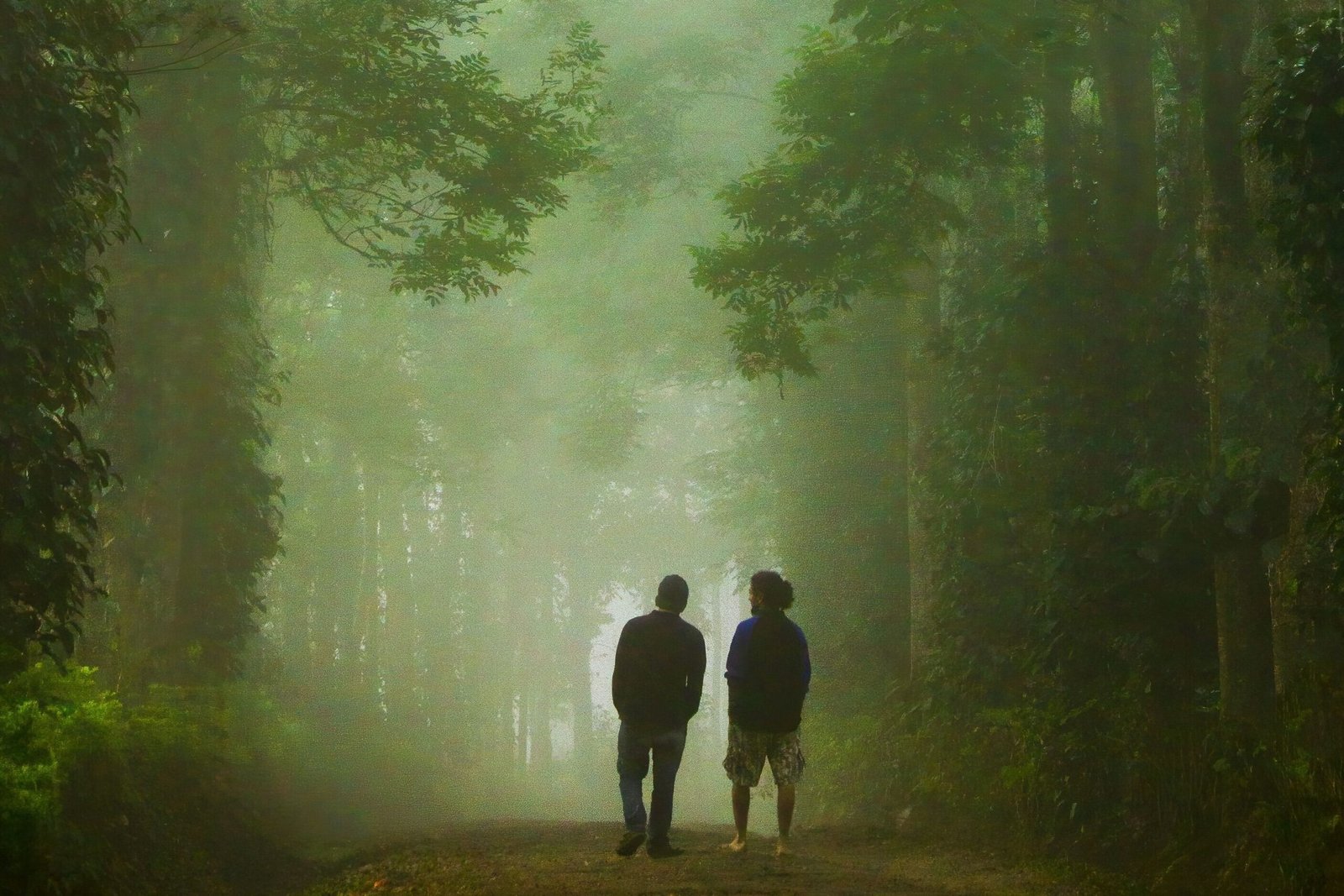
Coorg is often celebrated for its rolling coffee plantations, mist-covered hills, and pleasant climate. However, beyond the scenic landscapes lies one of South India’s richest ecological regions. Nestled within the Western Ghats, a UNESCO-recognized biodiversity hotspot, Coorg supports an incredible variety of wildlife, birds, trees, and ecosystems that continue to thrive alongside local communities and plantations.
For visitors, this means that wildlife is not confined to distant national parks. In many parts of Coorg, nature exists just beyond the doorstep. Early morning walks may reveal colorful birds, distant calls of wildlife, and signs of an ecosystem that remains remarkably vibrant.
Understanding Coorg’s biodiversity adds an entirely new dimension to a visit. It transforms the destination from a hill station into a living natural landscape filled with ecological significance.
Why Coorg Is a Biodiversity Hotspot
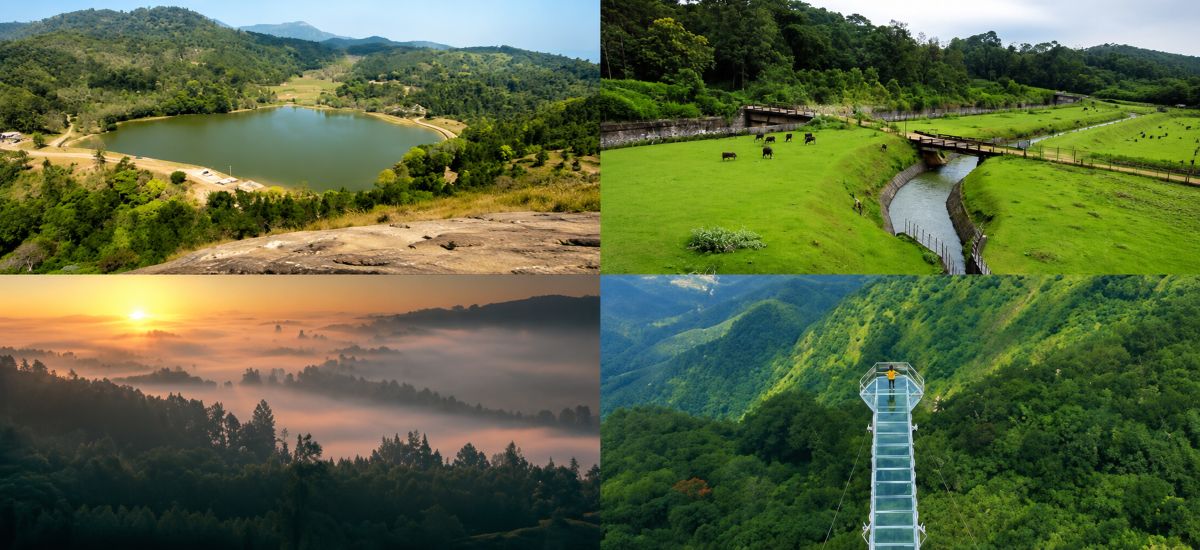
Coorg’s ecological importance comes from its location within the Western Ghats, one of the world’s most significant biodiversity regions.
The Role of the Western Ghats
The Western Ghats stretch along India’s western coast and support thousands of plant and animal species.
Many of these species are:
- Rare
- Endemic
- Ecologically important
- Found nowhere else in the world
The combination of elevation, rainfall, forests, rivers, and climate creates ideal conditions for wildlife to flourish.
Diverse Habitats in a Small Region
One reason Coorg supports such abundant wildlife is the variety of habitats found within a relatively small area.
These include:
- Evergreen forests
- Moist deciduous forests
- River ecosystems
- Grasslands
- Coffee plantations
- Mountain slopes
Each habitat supports different species, creating a rich and interconnected ecosystem.
Elephants: Coorg’s Most Iconic Wildlife Residents
Among all wildlife found in Coorg, elephants are perhaps the most recognizable.
Why Elephants Thrive Here
Coorg’s forests form part of larger wildlife corridors that connect protected areas across Karnataka and neighboring states.
These corridors allow elephants to move between habitats in search of:
- Food
- Water
- Seasonal resources
- Breeding grounds
The region’s forests and river systems provide ideal conditions for sustaining healthy elephant populations.
Observing Elephants Responsibly
Wild elephants are powerful animals and should always be viewed from a safe distance.
Visitors should:
- Follow local guidelines
- Avoid approaching wildlife
- Never attempt feeding
- Respect protected habitats
Responsible tourism helps ensure these magnificent animals continue to thrive.
Leopards: The Elusive Predators of Coorg
While elephants are occasionally visible, leopards are far more secretive.
Why Leopards Are Difficult to Spot
Leopards are highly adaptable and generally avoid human interaction.
They are:
- Primarily nocturnal
- Solitary hunters
- Extremely cautious
- Skilled at remaining unseen
Even in areas where leopards are present, visitors may never see one directly.
Their Importance in the Ecosystem
Leopards play a critical role as apex predators.
They help:
- Maintain ecological balance
- Regulate prey populations
- Support healthy ecosystems
A thriving leopard population is often a sign of a healthy forest environment.
Hornbills: The Birds That Define Coorg’s Forests
Bird enthusiasts often consider hornbills among Coorg’s most fascinating wildlife species.
Why Hornbills Are Special
Hornbills are easily recognized by:
- Large curved bills
- Distinctive appearance
- Loud wingbeats
- Unique nesting behavior
Their presence often indicates healthy forest ecosystems.
Species Found Around Coorg
Several hornbill species inhabit the Western Ghats region.
These birds contribute to forest regeneration by dispersing seeds over large distances.
In many ways, hornbills serve as natural gardeners of the forest.
Beyond the Big Names: Other Wildlife Found in Coorg
While elephants, leopards, and hornbills attract attention, Coorg’s biodiversity extends far beyond these species.
Mammals
Visitors may encounter:
- Deer
- Indian gaurs
- Wild boars
- Civets
- Squirrels
- Primates
Reptiles and Amphibians
The region also supports:
- Frogs
- Lizards
- Snakes
- Freshwater species
Many amphibians found in the Western Ghats are endemic to the region.
Birdlife
Birdwatchers regularly observe:
- Kingfishers
- Woodpeckers
- Drongos
- Flycatchers
- Eagles
- Owls
The variety makes Coorg one of South India’s most rewarding birdwatching destinations.
How Coffee Plantations Support Biodiversity
Many visitors are surprised to learn that coffee plantations contribute significantly to Coorg’s ecological landscape.
Shade-Grown Coffee
Unlike intensive agricultural systems, traditional shade-grown coffee plantations often retain native trees.
These trees provide habitat for:
- Birds
- Insects
- Small mammals
- Pollinators
Wildlife Movement Through Plantations
Plantations frequently act as ecological buffers between forested areas.
Animals often move through these landscapes while traveling between larger habitats.
This coexistence between agriculture and nature has become one of Coorg’s defining characteristics.
Seasonal Wildlife Experiences in Coorg
Wildlife activity changes throughout the year.
Monsoon Season
During monsoon months:
- Forests become exceptionally lush
- Amphibian activity increases
- Birdlife becomes more active
- Water sources are abundant
Post-Monsoon Season
After the rains:
- Visibility improves
- Landscapes remain green
- Birdwatching opportunities increase
Winter Months
Winter offers comfortable conditions for:
- Nature walks
- Birdwatching
- Outdoor exploration
Many visitors find this period ideal for observing Coorg’s natural beauty.
Experiencing Nature Beyond Wildlife Sightings
A common misconception is that wildlife experiences require seeing large animals.
In reality, biodiversity is experienced through:
- Birdsong
- Forest sounds
- Plant diversity
- Natural landscapes
- Seasonal changes
Sometimes the most rewarding experiences come from simply slowing down and paying attention to the environment.
Staying Close to Coorg’s Natural Environment
The choice of accommodation can significantly influence how visitors experience Coorg’s biodiversity.
Properties surrounded by plantation landscapes often provide opportunities to observe nature throughout the day.
At INIKA Resorts, guests are immersed in the greenery that defines the region. The plantation setting allows visitors to experience Coorg’s natural atmosphere, listen to birdlife in the mornings, and appreciate the ecological richness that makes the area unique.
Rather than being separated from nature, guests remain connected to the landscape that supports Coorg’s remarkable biodiversity.
Responsible Wildlife Tourism in Coorg
As tourism grows, protecting wildlife becomes increasingly important.
Respect Wildlife Habitats
Visitors should:
- Stay on designated paths
- Avoid disturbing animals
- Follow local regulations
Minimize Environmental Impact
Simple actions make a difference:
- Avoid littering
- Reduce plastic use
- Respect natural spaces
Support Sustainable Tourism
Choosing responsible tourism practices helps preserve Coorg’s ecosystems for future generations.
Why Biodiversity Matters to Travelers
Biodiversity is not just a scientific concept.
It directly influences the travel experience.
Healthy ecosystems contribute to:
- Scenic beauty
- Clean air
- Birdlife
- Wildlife opportunities
- Natural resilience
The landscapes visitors enjoy today exist because these ecological systems remain largely intact.
Conclusion
Coorg’s appeal extends far beyond its famous viewpoints and coffee plantations. As part of the Western Ghats biodiversity hotspot, the region supports an extraordinary variety of wildlife, including elephants, leopards, hornbills, and countless other species that contribute to its ecological richness.
For travelers, this biodiversity creates experiences that go beyond traditional sightseeing. Every forest trail, plantation walk, and sunrise over the hills becomes an opportunity to connect with one of India’s most important natural landscapes.
The next time you visit Coorg, remember that the beauty around you is more than scenery. It is a living ecosystem that makes the region one of the most remarkable destinations in the country.
Frequently Asked Questions
Why is Coorg considered a biodiversity hotspot?
Coorg lies within the Western Ghats, one of the world’s most important biodiversity regions, known for its rich ecosystems and endemic species.
Can visitors see elephants in Coorg?
Yes. Elephants inhabit forests around Coorg, although sightings depend on location, season, and wildlife movement.
Are leopards found in Coorg?
Yes. Leopards are present in the region but are highly elusive and rarely seen by visitors.
What makes hornbills important to Coorg’s forests?
Hornbills help disperse seeds and play a crucial role in maintaining healthy forest ecosystems.
Is Coorg good for birdwatching?
Absolutely. Coorg supports a wide variety of bird species, making it a popular destination for bird enthusiasts.
Do coffee plantations support wildlife?
Traditional shade-grown coffee plantations often provide habitat for birds, insects, and small mammals while supporting ecological connectivity.
Which season is best for wildlife enthusiasts visiting Coorg?
Post-monsoon and winter months generally provide favorable conditions for nature walks, birdwatching, and wildlife observation.
How can travelers support conservation efforts in Coorg?
By respecting wildlife, minimizing waste, following local guidelines, and supporting sustainable tourism practices.