





Coorg’s Climate Zones: Why Weather Differs Across Madikeri, Kushalnagar, and Virajpet
A trip to Coorg can feel like visiting several different landscapes in one district. You might leave Madikeri under a cool, misty sky, experience warmer conditions around Kushalnagar, and find a different combination of plantation greenery and humid air near Virajpet. Although these places belong to the same region of Kodagu, their weather is not identical.
The reason lies in Coorg’s elevation, mountain slopes, rainfall patterns, and position within the Western Ghats. These geographical differences affect not only temperature but also how the landscape looks, when rain arrives, and what travellers can expect from a stay.
Understanding these local climate zones can help you choose where to stay, plan sightseeing, and pack more sensibly—especially if you are deciding between a town-based holiday and a coffee plantation retreat.
Why Coorg Does Not Have One Uniform Climate
Coorg experiences a tropical monsoon climate, with substantial rainfall concentrated during the southwest monsoon. However, the amount of rain and the temperature vary across the district.
Elevation is one of the main reasons. Higher areas generally experience cooler conditions, while lower-lying locations can feel warmer, particularly during the summer months. The direction of mountain slopes also influences rainfall. Moist winds arriving from the Arabian Sea encounter the Western Ghats, causing rain in some areas before the air moves toward relatively drier eastern parts of Kodagu.
Government climate documentation describes a significant west-to-east decrease in rainfall, while regional geography sources highlight the differences between Coorg’s uplands and lower valleys. This means that the weather you experience in Madikeri should not automatically be used as a prediction for Kushalnagar or Virajpet.
For travellers, this distinction matters because a forecast for the district as a whole may not describe conditions at your accommodation or planned attraction.
Madikeri: Cooler Hill Weather and Frequent Mist
Madikeri, the headquarters of Kodagu, is one of Coorg’s most popular travel bases. Its elevated, hilly setting contributes to cooler conditions compared with lower parts of the district, although temperatures and rainfall change throughout the year.
The town and surrounding hills are particularly associated with misty mornings, green slopes, and wet monsoon weather. During the rainy season, clouds can settle over the hills, and short-distance travel may feel different from what a clear-weather forecast suggests.
Madikeri’s rainfall is also significant. Historical district records identify the Madikeri area as one of the wetter parts of Kodagu, although actual rainfall varies between years and locations.
What does this mean for visitors?
If your trip includes Raja’s Seat, Madikeri Fort, Abbey Falls, or other nearby sightseeing stops, plan for changing conditions rather than expecting the same weather throughout the day.
A morning may begin with low cloud or mist, while visibility improves later. During monsoon, wet roads and slippery walking surfaces can affect how comfortably you visit viewpoints and waterfalls.
Madikeri is a useful choice for travellers who want to combine town sightseeing with access to the surrounding hills. However, anyone planning a stay here should check the forecast for the specific dates of travel instead of relying only on the general description of Coorg’s climate.
Kushalnagar: A Warmer, Relatively Drier Eastern Setting
Kushalnagar lies in the eastern part of the Kodagu region and has a different geographical character from the higher Madikeri landscape. Its comparatively lower elevation and position farther from the wetter western slopes contribute to relatively warmer and drier conditions.
Regional climate sources identify eastern Kodagu as a comparatively lower-rainfall zone, while travel references commonly describe Kushalnagar and nearby plains as warmer than the hill areas. This does not mean that Kushalnagar is dry throughout the year. It still experiences the southwest monsoon, and rainfall can vary considerably between seasons and individual years.
How can the weather change your itinerary?
Kushalnagar can be a practical base for travellers visiting attractions in eastern Coorg or continuing toward Mysuru. Depending on the season, you may notice a warmer afternoon than in Madikeri, especially when comparing lower-lying areas with elevated viewpoints.
For families travelling with children or visitors planning multiple outdoor stops, this difference can influence when to schedule sightseeing. Early mornings and later afternoons may be more comfortable during warmer periods, while monsoon travel requires attention to rainfall and road conditions.
The important point is that Kushalnagar’s weather should be understood through its local geography, not simply through Coorg’s reputation as a cool hill destination.
Virajpet: Plantation Landscapes, Rainfall, and Humidity
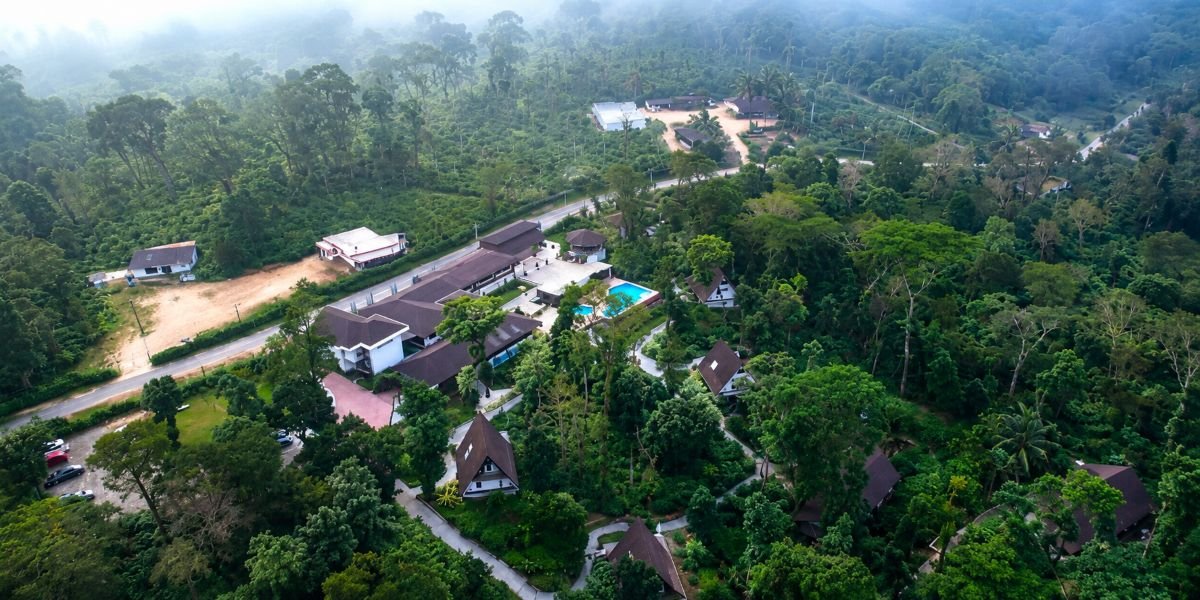
Virajpet, in southern Coorg, is closely associated with coffee-growing landscapes, plantation roads, and the greener surroundings of the Western Ghats. Its climate differs from both the higher Madikeri area and the relatively drier eastern setting around Kushalnagar.
Virajpet receives substantial monsoon rainfall, but the exact amount varies across the taluk and from year to year. Historical government climate records show that rainfall patterns differ between Madikeri and Virajpet, demonstrating why it is misleading to assume that every part of Coorg receives the same quantity of rain.
The plantation environment also changes how weather feels. After rain, coffee estates may appear intensely green, paths can become damp, and outdoor activities may require more flexible timing. Warm, humid conditions can occur during certain periods, particularly outside the coolest parts of the year.
Why does Virajpet suit a different kind of holiday?
Travellers who prefer a coffee plantation stay may value the surrounding landscape as much as the sightseeing itinerary. Rather than spending every day moving between town attractions, they may want time for plantation walks, quiet mornings, and relaxation at the property.
INIKA Resorts, located in Kuttandi, Virajpet, presents this nature-focused style of stay through its coffee plantation setting and accommodation options. Its location makes it relevant for travellers who want to explore South Coorg while also spending time in a green, resort-based environment.
However, a plantation setting does not guarantee identical weather across all of Virajpet. Local elevation, slope, rainfall, and the specific location of an accommodation can influence the experience.
Comparing the Three Climate Zones
Location | General weather character | What travellers should consider |
|---|---|---|
Madikeri | Cooler hill conditions, substantial rainfall, mist in suitable weather | Hill sightseeing, viewpoints, wet-season road conditions |
Kushalnagar | Relatively warmer and drier eastern setting | Afternoon heat, lower-elevation travel, seasonal rainfall |
Virajpet | Plantation landscape with significant monsoon influence | Humidity, estate walks, flexible outdoor plans |
This is a broad geographical comparison, not a daily weather forecast. Conditions can change within each area, and seasonal averages do not predict the weather for a particular travel date.
How the Seasons Affect All Three Locations
Monsoon: June to September
The southwest monsoon is the most important rainfall period in Coorg. Greenery becomes more prominent, streams and waterfalls may become fuller, and outdoor plans need greater flexibility.
Rainfall intensity is not uniform, so checking local conditions is particularly important when travelling between towns or visiting hilly attractions.
Winter: Generally Cooler Conditions
The cooler season can bring comfortable daytime weather and chilly mornings or evenings, especially in elevated areas. Actual temperatures vary by location, altitude, and weather conditions.
Travellers staying in cottages or spending time outdoors should pack a light layer rather than assuming that daytime temperatures tell the whole story.
Summer: Warmer Lower Areas
March through May can bring warmer and more humid conditions. Lower-lying areas such as Kushalnagar may feel warmer than elevated locations, while shaded plantation surroundings can offer a different experience from exposed roads or town centres.
How to Choose the Right Location for Your Coorg Stay
The best location depends on what you want from the trip.
If your priority is hill-town sightseeing, viewpoints, and access to Madikeri attractions, staying around Madikeri may make logistical sense. If you are exploring eastern Coorg or travelling along the Mysuru route, Kushalnagar may fit your itinerary.
For travellers who want a coffee plantation environment, a slower schedule, and time to enjoy the accommodation itself, Virajpet offers a different style of stay. At INIKA Resorts, the emphasis on nature and plantation surroundings makes it relevant to visitors who want the resort experience to be part of their Coorg holiday.
Before booking, consider three practical questions:
How far will you travel each day for sightseeing?
What weather conditions are likely during your dates?
Does your accommodation offer the setting and facilities you want during rainy or warmer periods?
Conclusion: One District, Several Weather Experiences
Coorg’s climate is shaped by more than its identity as a hill destination. Madikeri’s elevated landscape, Kushalnagar’s eastern position, and Virajpet’s plantation surroundings create noticeable differences in weather and travel conditions.
Understanding these climate zones helps you plan beyond a generic “best time to visit Coorg” checklist. You can choose your accommodation according to your preferred landscape, organise sightseeing around seasonal conditions, and prepare for the specific area you intend to explore.
Whether you are planning a hill-town trip, an eastern Coorg itinerary, or a plantation stay in Virajpet, the most useful approach is to treat Coorg as a region with varied local climates—not as one place with identical weather everywhere.