
Family vacations are supposed to be bonding experiences. Instead, they often become expensive exercises in keeping everyone from complaining.
Kids want pools and activities. Teenagers want WiFi and not to be embarrassed. Parents want relaxation and maybe five consecutive minutes of adult conversation. Grandparents want comfort and no stairs.
Most resorts pick a demographic and optimize for that. Family-friendly usually means “we have a pool and kids are allowed,” not “we’ve actually thought about what makes families happy.”
Coorg works for families because it offers enough variety that everyone finds something. The challenge is picking a resort that facilitates this instead of creating new problems.
Here’s what actually matters when choosing a family resort in Coorg.
What Makes a Resort Actually Family-Friendly
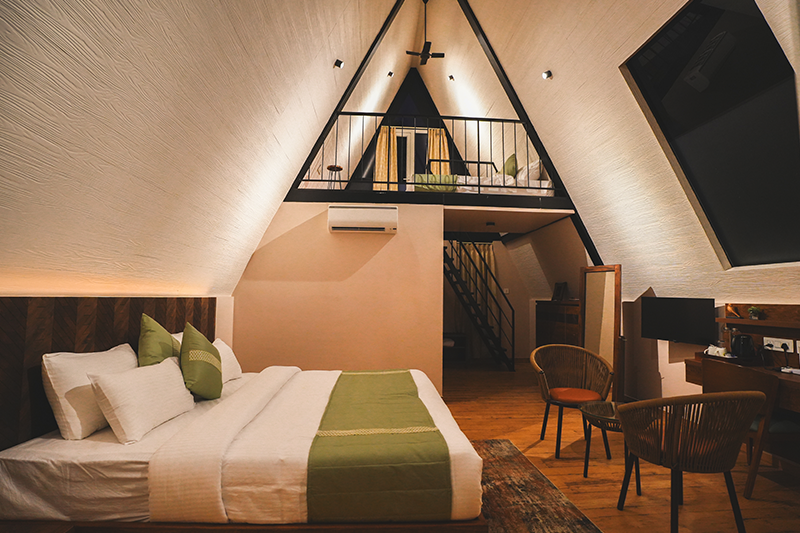
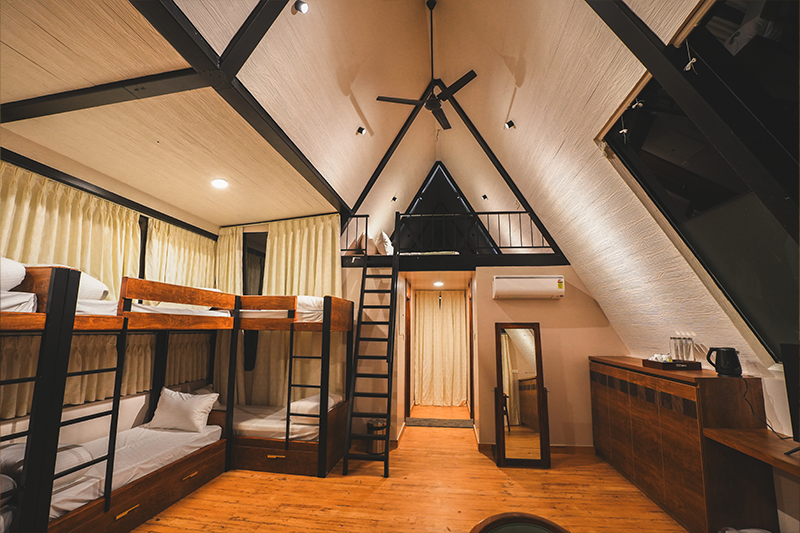
Space solves most problems: Cramped rooms where everyone’s on top of each other create tension. You need cottages or suites where kids can sleep separately, adults have space, and nobody’s whispering at 9 PM because someone’s sleeping three feet away.
Safe, interesting grounds: Kids need space to run around that’s not dangerous. Well-maintained lawns, walking paths, maybe a small play area. Not urban park level facilities, but safe outdoor space.
A pool that works for multiple ages: Shallow end for young kids, deep enough for older ones to actually swim. Clean, well-maintained, supervised. Ideally not the only activity, but important enough to get right.
Food that doesn’t cause battles: Restaurants serving both local specialties and food kids will actually eat. Nobody wants a vacation defined by “but I don’t like that!” at every meal.
Activity variety: Something for different age groups. Nature walks, safaris, plantation tours, games areas. Everyone doesn’t need to do everything together constantly.
Staff who like families: Some properties tolerate children. Good ones genuinely welcome them without making parents feel like they’re imposing by existing.
Why Virajpet Works for Family Vacations
Virajpet is less commercialized than Madikeri, which matters more with kids than you’d think. Fewer crowds at attractions means less waiting, less frustration, more actual experiencing.
Proximity to Nagarhole National Park is huge for families. A safari is legitimately exciting for kids without being an amusement park experience. Watching wild elephants creates memories that outlast any gift shop purchase.
Coffee plantation walks work surprisingly well for families. Kids old enough to follow along find it interesting—it’s educational without being school-like. Younger kids can run a bit without bothering other tourists because you’re on private estates, not crowded viewpoints.
The pace is inherently slower, which helps family dynamics. You’re not rushing between 12 attractions. You’re enjoying mornings, doing one activity, having pool time, eating dinner, repeating. The simplicity reduces friction.
Age-Specific Considerations
Toddlers (2-5 years): Need safe grounds to explore, shallow pools, flexible meal times, close proximity to rooms from common areas, and patience from staff when inevitable meltdowns happen.
Young kids (6-11 years): Want pool time, mild adventure (safaris qualify), space to run, simple activities, and food they recognize. Starting to appreciate nature if it’s presented engagingly.
Teenagers (12-17 years) Need WiFi (sorry, but yes), activities that feel age-appropriate not babyish, some independence, good photos for social media, and preferably their own space at night.
Multi-generational trips: Require accessibility for older adults, flexible activity levels where people can opt in/out, meal variety accommodating different diets, and enough space that two-three generations aren’t constantly colliding.
The Inika Family Experience
Inika isn’t specifically a “family resort” in the way some properties are, which is actually an advantage. They’ve designed for quality rather than quantity, which benefits families who want genuine experience over entertainment.
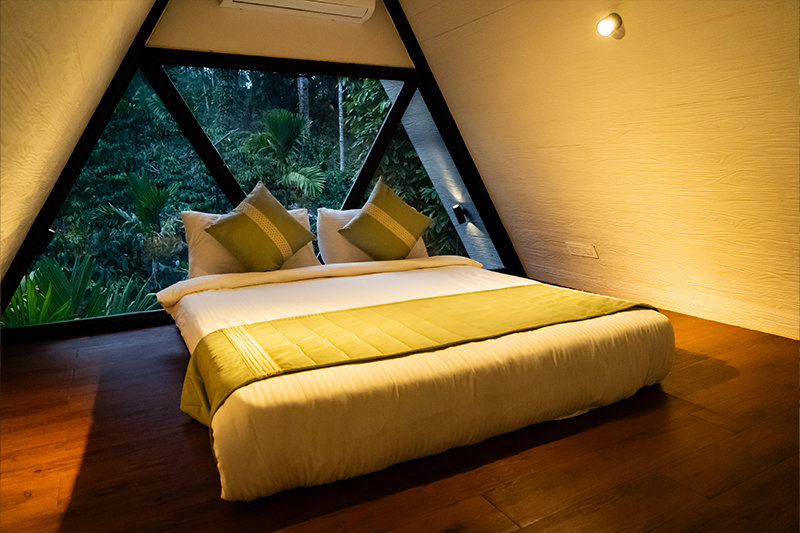
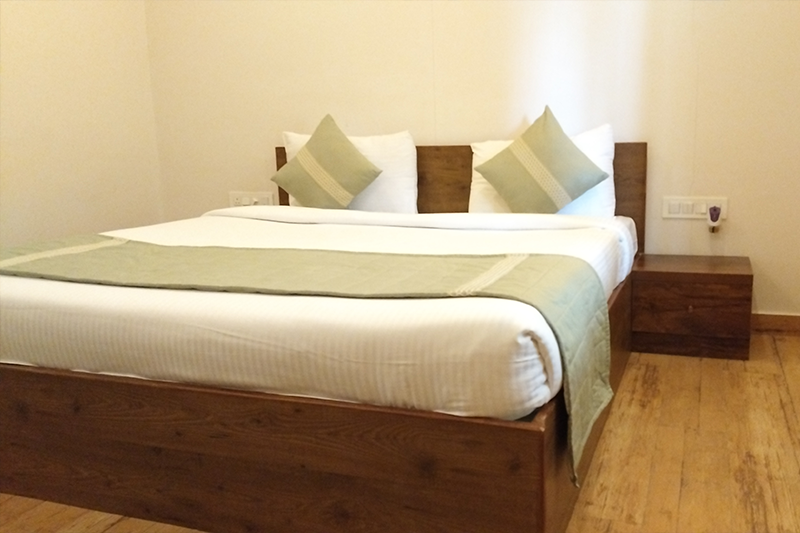
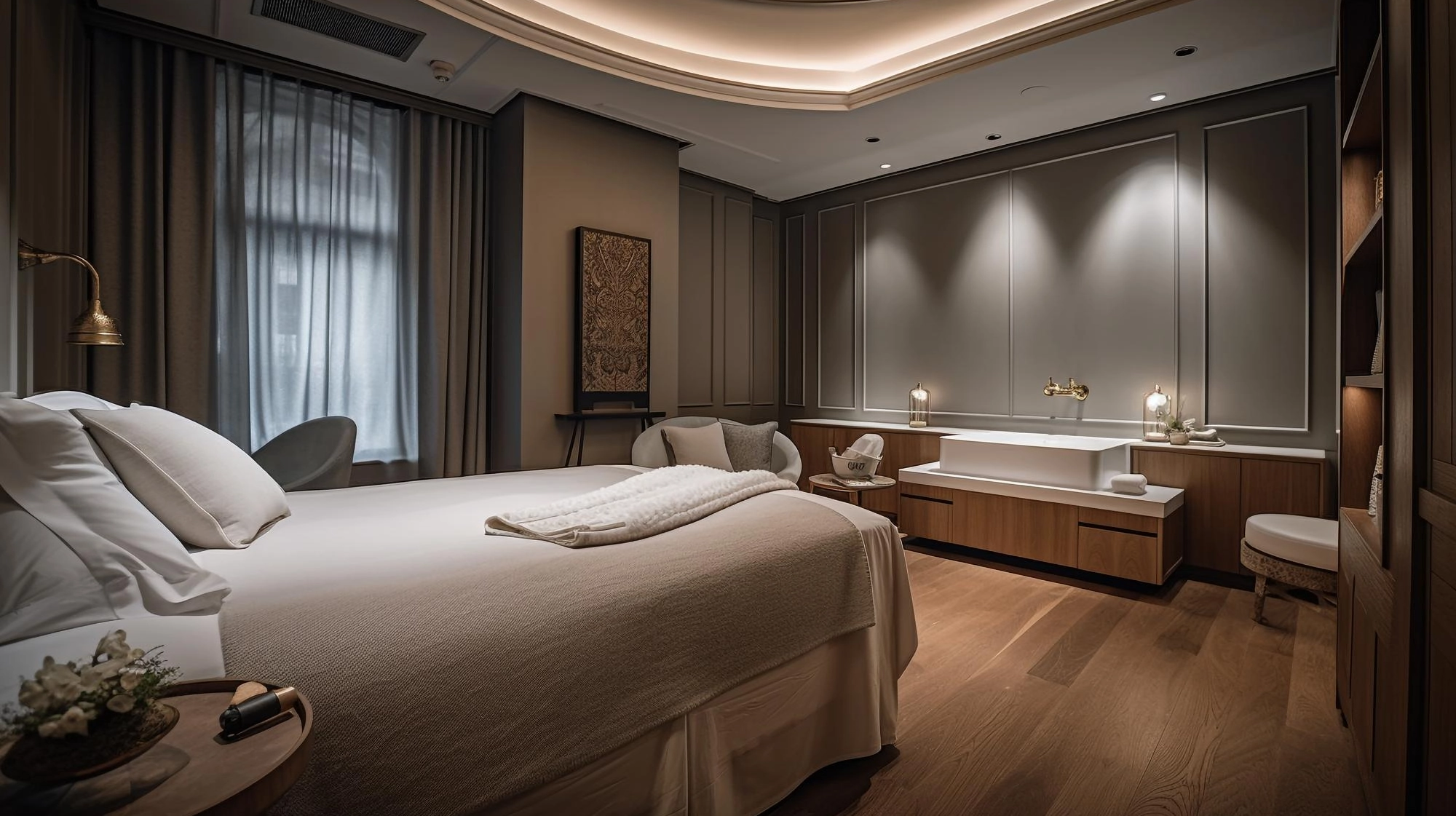
The cottages give families proper space. Row houses work particularly well—multiple bedrooms, shared living area, enough separation that parents and kids aren’t forced into constant proximity.
The grounds are safe for kids to explore under supervision. Coffee plantations surround the property, walking paths are maintained, and there’s space without it being so vast you’re worried about losing track of anyone.
The infinity pool works for families because it’s well-maintained, has depth variation, and is positioned where parents sitting poolside can supervise while actually relaxing. Not all family pools achieve this balance.
Food is where Inika helps families avoid vacation meal battles. They serve Coorg specialties, but also maintain strong continental and North Indian options. Kids can order pasta or butter naan while parents try Pandi curry. Everyone’s happy.
Safari coordination is particularly valuable for families. They handle permit bookings, arrange proper timing, pack breakfast boxes, and ensure you have vehicles that accommodate your group size. One less thing for parents to coordinate.
Activities Families Actually Enjoy Together
Nagarhole Safari: This is the highlight for most families. Kids of all ages find wildlife genuinely exciting. Book early morning (6 AM) for best sightings. Elephants, deer, and gaur are common. Tigers are rare but possible. Birds everywhere. Pack layers—mornings are cold.
Coffee Plantation Tours: Guided walks through working estates teaching how coffee grows, gets processed, becomes the drink. Kids usually stay engaged because it’s hands-on and sensory. The tasting at the end rewards participation. Plan 1-2 hours.
Waterfall Visits: Abbey Falls is popular but crowded. Iruppu Falls is further but more peaceful. Kids enjoy waterfalls in concept but tire of them quickly. Pick one, arrive early, don’t overstay.
Pool Time: Often the favorite activity. Let it happen. Kids swimming while parents sit nearby reading is a perfectly valid vacation activity. Don’t feel guilty about “wasting time.”
Nature Walks Around Resort: Short walks through coffee plantations near the resort work well for mixed ages. No pressure, flexible timing, stop whenever someone’s tired.
Board Games/Card Games: Many resorts including Inika provide indoor games. Evening family game time becomes a highlight, especially for families who struggle to do this at home.
Stargazing: Clear Coorg skies offer amazing night sky views. Bring a simple star map app. Kids find it fascinating without it being structured.
Doing Nothing Together: Reading while kids play, long meals where everyone talks, sitting by the pool watching sunsets. Family bonding doesn’t require constant activities.
What to Skip with Families
Overcrowded attractions: Raja’s Seat during peak hours is miserable with kids. Packed viewpoints where you’re queuing for photo spots create stress, not memories.
Long trekking routes: Unless your family specifically loves hiking, Coorg has better options. The accessibility limits young kids and older adults.
Too many waterfalls: One is an experience. Three in a day becomes “are we there yet?” torture for everyone involved.
Rigid itineraries: The tighter your schedule, the more likely someone melts down when timing doesn’t work. Build flexibility and buffer time.
High-end romantic restaurants: These exist for couples, not families. Resort restaurants accommodating everyone work better.
Activities requiring extended sitting still: Long cultural shows or museum-style attractions test patience limits. Choose active or brief activities.
The Multi-Generational Challenge
When you’re traveling with parents or in-laws plus kids, you’re managing multiple sets of needs simultaneously.
Look for resorts with elevator access or single-level cottages if mobility is a concern. Lots of stairs exhaust older adults quickly.
Book interconnected rooms or row houses allowing proximity without everyone sharing one space. Grandparents can retreat when they need quiet, kids have space, parents maintain sanity.
Plan split activities. Maybe grandparents skip the early safari and enjoy slow breakfast while parents take kids. Everyone reunites for afternoon pool time. Nobody has to do everything together.
Communicate dietary needs clearly. Older adults might have restrictions, kids have preferences. Good resorts handle this without making it difficult.
Practical Family Travel Tips
Book ground floor or elevator-accessible rooms if you have young kids or older family members. Hauling strollers or managing stairs with tired kids creates unnecessary stress.
Request early check-in and late checkout if traveling with kids. Arriving before rooms are ready with exhausted children is painful. Build buffer time.
Pack more than you think you need: Extra clothes for kids (spills happen), basic medical supplies, snacks for picky eaters, entertainment for travel time.
Bring familiar comfort items: Favorite toys, blankets, whatever helps kids sleep in new environments. Vacation is change enough.
Set expectations before arrival: Talk about what you’ll do, house rules (no running near pool), and what’s different from home. Reduces surprises.
Plan one major activity per day maximum: Trying to cram too much creates exhaustion and conflict. One safari, or one waterfall, or one plantation tour. Then pool/relax time.
Build in rest time: Kids need downtime to process experiences. So do adults. Schedule afternoon rest periods.
Let kids have input: Give age-appropriate choices. “Do you want to visit the waterfall today or tomorrow?” “Should we swim before or after lunch?” Small decisions increase buy-in.
Meals and Dietary Considerations
Breakfast buffets work best: Everyone finds something they like, timing is flexible, no debates about what to order.
Communicate allergies and restrictions clearly: Good resorts accommodate if they know. Surprising them at meal time creates problems.
Keep snacks available: Hungry kids become impossible kids. Pack their favorites for emergency sustenance.
Try new foods without pressure: Encourage kids to taste Coorg specialties, but don’t force it. Vacation meals shouldn’t be battles.
Plan special meals: One nice dinner where everyone dresses up and tries new things can be a trip highlight if positioned correctly.
Weather and Seasonal Considerations for Families
October-February: Peak season, perfect weather, school holidays overlap. Book early. Expect crowds and higher prices. Best for wildlife safaris.
March-May: Shoulder season, still good weather, fewer tourists, better deals. Ideal if your kids’ school schedule allows.
June-September: Monsoon means rain, but landscapes are stunning. Lowest prices, very few tourists. Nagarhole closes. Best if your family enjoys rain and doesn’t mind limited activities. Pack serious rain gear.
School holiday periods: Christmas, summer vacation, Diwali are packed and expensive. Book 6-8 weeks ahead minimum.
Long weekends: Similarly crowded and pricey. Regular weekends offer better value and experience.
Budget Planning for Family Trips
Accommodation (2 nights): Budget cottage/suite for 4: ₹20,000-30,000. Quality family accommodation: ₹35,000-50,000. Luxury family cottages: ₹60,000+.
Meals: ₹2,000-3,000 per day for family of four at quality resort.
Safari: ₹3,000-4,000 per jeep (fits 6 people, one jeep for smaller families).
Activities: Coffee tours (₹500-1,000 per person), waterfall entries (₹100-300 per person), miscellaneous (₹3,000-5,000).
Transport from Bangalore: Self-drive fuel (₹3,500-4,500). Hired vehicle (₹10,000-15,000) for larger families needing more space.
Total realistic weekend budget for family of four: ₹65,000-90,000 for quality experience including everything.
Common Family Vacation Mistakes
Overpacking the schedule: Rushing between activities creates stress for everyone. Less is genuinely more with families.
Booking accommodation too small: Everyone being cramped magnifies tensions. Invest in proper space.
Ignoring rest time: Tired kids and adults equals miserable vacation. Build in downtime.
Expecting perfection: Something will go wrong—weather, upset stomachs, tantrums, arguments. Roll with it instead of trying to maintain an impossible standard.
Not preparing kids: Dropping them into new situations without context creates anxiety and resistance. Explain what to expect.
Forcing togetherness: Sometimes teenagers want to read instead of joining the family walk. Sometimes adults need 30 minutes alone. Allow space within togetherness.
Skipping the boring stuff: Checking pool depth, verifying meal options, confirming medical facilities nearby seems tedious but prevents problems.
Questions to Ask Family Resorts
“What’s your largest accommodation option? Can we see a floor plan?”
“Is the pool supervised? What are the depth ranges?”
“Do you have a children’s menu or just adult options?”
“Are there any activities specifically for kids? What ages?”
“How far are rooms from main facilities? Are there stairs?”
“Do you provide cribs, high chairs, or other child-specific amenities?”
“What’s nearby if kids get bored? Indoor alternatives if it rains?”
“Can we arrange early/late meals for young kids?”
“Are the grounds safe for supervised children’s play?”
“What’s your family cancellation policy?” (Because kids get sick unpredictably)
Making It Work for Everyone
The best family vacations aren’t about pleasing everyone equally all the time—that’s impossible. They’re about ensuring everyone gets something they genuinely enjoy while no one is consistently miserable.
Rotate choices. Safari for the kids, spa for parents, easy day for grandparents. Everyone compromises a bit, everyone wins a bit.
Create shared highlights. The sunrise safari, the sunset at the pool, the fancy dinner—pick 2-3 things the whole family experiences together. Make those count. The rest can be flexible.
Document well but live better. Take photos, but not at the expense of being present. Kids remember parents being engaged more than having perfect pictures.
Let go of perfection. The trip where someone got sick but you all played cards all afternoon can become a better memory than the perfectly executed itinerary where everyone was stressed.
Why Coorg Works Better Than Many Alternatives
Closer than most hill stations: Five hours from Bangalore beats eight hours to Ooty or Kerala. Less travel time equals less car time with restless kids.
Multi-generational appeal: Nature works for all ages in different ways. Everyone finds something without it being forced.
Manageable scope: Coorg isn’t overwhelming. You can experience it well in 3-4 days without feeling like you missed half of it.
Real experiences over theme parks: Safari wildlife beats zoo animals. Coffee plantations beat museums about coffee. Active experiences engage kids better than passive ones.
Pace flexibility: You can go adventurous or lazy depending on your family’s energy and preferences. Coorg accommodates both.
Final Family Resort FAQs
Is Coorg suitable for families with young children? Yes, particularly resorts with safe grounds, good pools, and patient staff. Avoid properties with lots of stairs or isolated locations.
What’s the ideal age for kids to enjoy Coorg? 5+ appreciates safaris and activities. Under 5 can still enjoy pool and grounds. Teenagers surprisingly enjoy it if internet is decent.
How do we keep teenagers engaged? WiFi access, good photos for social media, safari (genuinely exciting), some independence around resort property.
Can grandparents manage the activities? Safaris involve jeep rides but aren’t physically demanding. Coffee walks are easy pace. Pool time works. Skip waterfalls requiring stairs.
Is it safe for kids? Yes. Coorg is generally very safe. Resorts are secure, locals are friendly. Standard precautions apply.
Do we need a car or is transport available? You need a car for flexibility with family schedules. Public transport is impractical with kids and luggage.
Can resorts accommodate food allergies? Quality resorts handle common allergies if informed in advance. Communicate clearly when booking.
Book Family Cottages at Inika Resort
Family vacations in Coorg work because the destination naturally creates good experiences without requiring perfect planning. Pick the right resort, manage expectations, build in flexibility, and let Coorg’s landscape do what it does best—give everyone space to breathe while bringing you closer together.