




Bhagamandala Temple Karnataka: A Spiritual Guide to Coorg’s Most Sacred Site
Coorg is often celebrated for its misty hills, coffee plantations, waterfalls, and scenic landscapes. However, beyond its natural beauty lies a rich spiritual heritage that has attracted pilgrims and travelers for centuries. One of the most important spiritual landmarks in the region is Bhagamandala Temple, a sacred destination nestled amidst the Western Ghats of Karnataka.
Known for its religious significance, serene surroundings, and historical importance, Bhagamandala Temple offers visitors a unique opportunity to experience Coorg’s spiritual side while enjoying some of the region’s most beautiful landscapes.
Where Is Bhagamandala Temple Located?
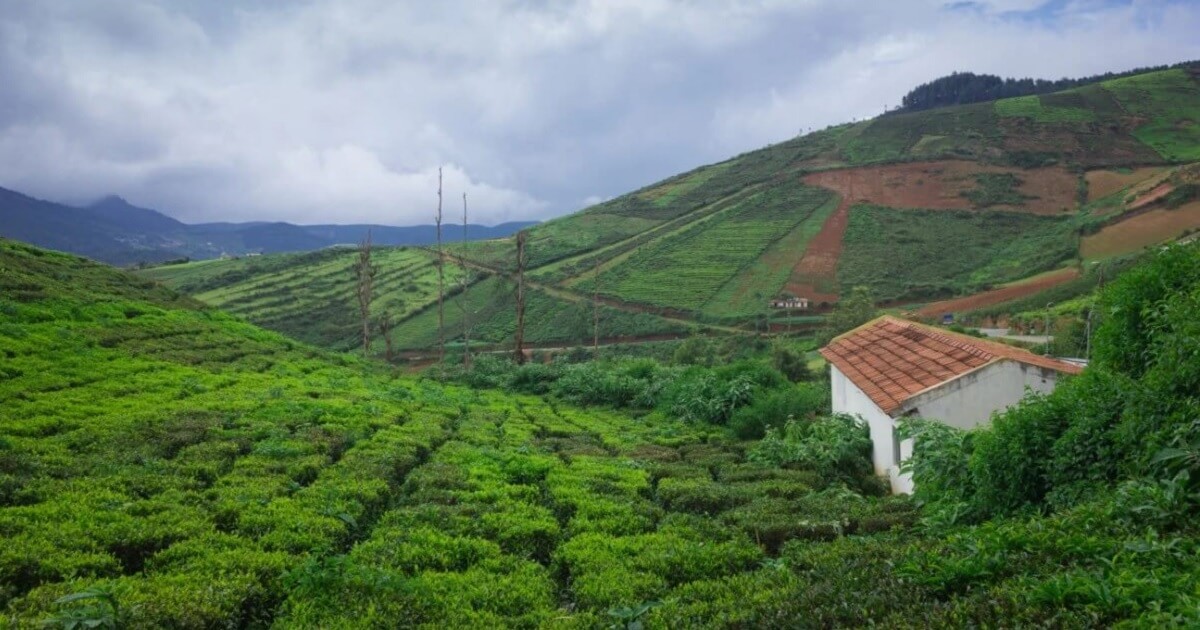
Bhagamandala is a small temple town located approximately 35 kilometers from Madikeri, the district headquarters of Coorg (Kodagu). Situated at the foothills of the Brahmagiri Hills, the town serves as an important pilgrimage center and acts as the gateway to Talakaveri, the revered source of the River Cauvery.
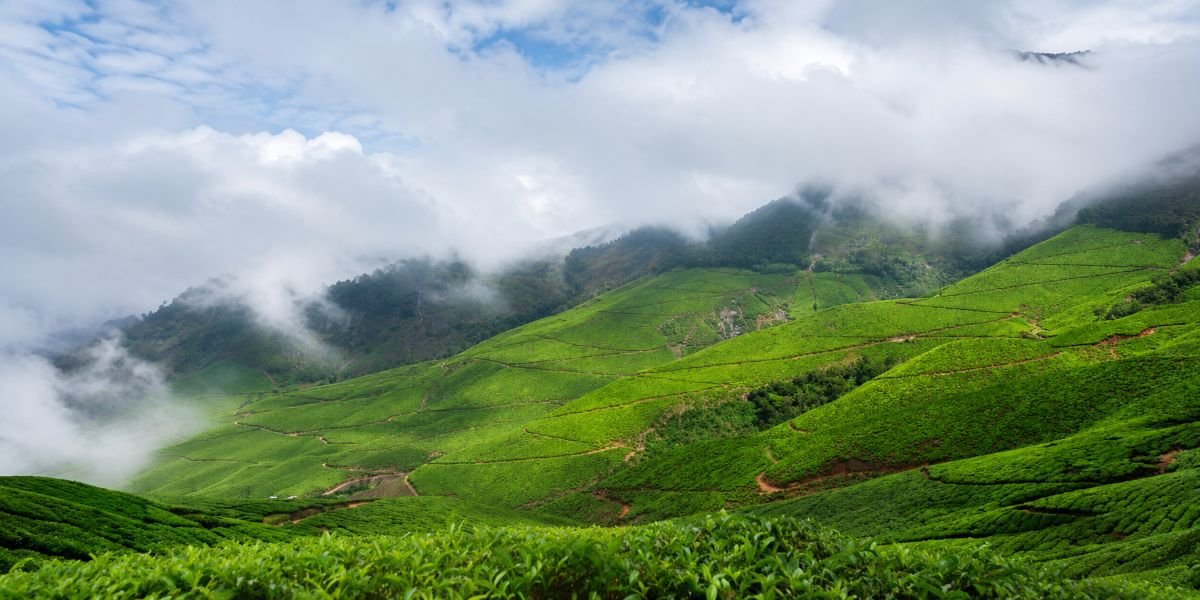
The drive to Bhagamandala itself is a memorable experience. Visitors pass through winding roads lined with coffee estates, forests, spice plantations, and scenic valleys, making the journey as rewarding as the destination.
The Religious Importance of Bhagamandala
Bhagamandala is best known for the Bhagandeshwara Temple, a sacred shrine dedicated to Lord Shiva. The temple is believed to have been established centuries ago and remains one of the most important places of worship in Karnataka.
The town is particularly significant because it is located at the confluence of three rivers:
- River Cauvery
- River Kannike
- River Sujyothi (believed to flow underground)
This sacred confluence is known as Triveni Sangama.
In Hindu tradition, river confluences are considered highly auspicious, and many devotees visit Bhagamandala to take a holy dip before offering prayers at the temple.
History of Bhagandeshwara Temple
The origins of the temple can be traced back to ancient times, although much of the present structure reflects renovations carried out by Kodagu rulers and later dynasties.
The temple architecture showcases a blend of traditional Kerala and Kodava styles, featuring:
- Sloping tiled roofs
- Intricate woodwork
- Stone carvings
- Spacious courtyards
Unlike many large South Indian temples dominated by towering gopurams, Bhagandeshwara Temple possesses a simpler and more harmonious design that blends naturally with the surrounding landscape.
Its architecture reflects the cultural influences that have shaped Coorg over centuries.
Exploring the Temple Complex
The temple complex contains multiple shrines and sacred spaces that visitors can explore.
Main Shrine
The principal deity is Lord Bhagandeshwara, a form of Lord Shiva worshipped by thousands of devotees throughout the year.
Sub-Shrines
The complex also includes shrines dedicated to:
- Lord Subramanya
- Lord Mahavishnu
- Lord Ganesha
These shrines make the temple an important pilgrimage destination for followers of different Hindu traditions.
Temple Courtyard
The spacious courtyard creates a peaceful atmosphere where visitors can sit quietly, meditate, or simply admire the temple’s architecture.
The calm environment makes the site appealing not only to pilgrims but also to travelers interested in culture and history.
Triveni Sangama: The Sacred River Confluence
One of the main reasons pilgrims visit Bhagamandala is Triveni Sangama.
According to local belief, the three rivers meet at this sacred location, creating a spiritually powerful site where devotees perform rituals and prayers.
Many visitors:
- Take a ceremonial dip
- Perform ancestral rites
- Offer prayers for prosperity and well-being
- Participate in traditional ceremonies
Even for non-religious visitors, the peaceful riverside setting provides an opportunity to appreciate the area’s natural beauty and cultural significance.
Best Time to Visit Bhagamandala
Bhagamandala can be visited throughout the year, but some seasons offer a particularly memorable experience.
October to February
This is generally considered the best period to visit.
Visitors enjoy:
- Pleasant temperatures
- Clear skies
- Comfortable sightseeing conditions
- Excellent photography opportunities
June to September
The monsoon season transforms the region into a lush green paradise.
The surrounding forests, hills, and rivers become exceptionally beautiful, although heavy rainfall can occasionally affect travel plans.
March to May
Summer remains relatively pleasant compared to many other parts of India due to Coorg’s elevated terrain and moderate climate.
Festivals and Celebrations
Bhagamandala becomes especially vibrant during major religious festivals.
Cauvery Sankramana
One of the most important celebrations associated with the region.
Thousands of devotees gather to witness the symbolic emergence of the River Cauvery at nearby Talakaveri.
Mahashivaratri
Dedicated to Lord Shiva, this festival attracts pilgrims from across Karnataka and neighboring states.
Special prayers, rituals, and cultural activities take place throughout the temple complex.
Nearby Attractions to Explore
A visit to Bhagamandala can easily be combined with several nearby attractions.
Talakaveri
Located a short drive away, Talakaveri is believed to be the birthplace of the River Cauvery and offers breathtaking views of the Brahmagiri Hills.
Brahmagiri Hills
Popular among nature lovers and trekking enthusiasts, these hills offer panoramic landscapes and opportunities to experience Coorg’s rich biodiversity.
Coffee Plantations
The route between Madikeri and Bhagamandala passes through some of Coorg’s most scenic coffee-growing regions.
Experiencing the Spiritual Side of Coorg
Many travelers visit Coorg primarily for its natural beauty, but destinations like Bhagamandala reveal another dimension of the region.
The temple’s peaceful setting, centuries-old traditions, and strong connection to the Cauvery River provide visitors with a deeper understanding of Coorg’s cultural identity.
For travelers staying in the region, exploring spiritual landmarks such as Bhagamandala offers a meaningful contrast to sightseeing activities focused on waterfalls, viewpoints, and plantations.
Many guests staying at properties like INIKA Resorts choose to include Bhagamandala and Talakaveri in their itinerary to experience both the natural and cultural heritage that makes Coorg unique.
Travel Tips for Visiting Bhagamandala
Before visiting, consider the following:
- Dress modestly while entering the temple.
- Remove footwear before entering sacred areas.
- Carry water and basic travel essentials.
- Visit early in the morning for a quieter experience.
- Combine the trip with Talakaveri for a complete spiritual circuit.
- Respect local customs and religious practices.
Conclusion
Bhagamandala Temple is far more than a religious site. It represents centuries of faith, tradition, history, and cultural heritage that continue to shape Coorg’s identity today.
Whether you are a pilgrim seeking spiritual fulfillment, a traveler interested in local culture, or simply someone looking to explore a quieter side of Coorg, Bhagamandala offers a memorable and meaningful experience.
Surrounded by forests, hills, sacred rivers, and ancient traditions, this revered destination remains one of Karnataka’s most important spiritual landmarks and an essential stop for anyone seeking a deeper connection with the heart of Coorg.
Frequently Asked Questions
Why is Bhagamandala Temple famous?
Bhagamandala Temple is famous for the Bhagandeshwara Temple and the sacred Triveni Sangama, where three rivers are believed to meet.
How far is Bhagamandala from Madikeri?
Bhagamandala is located approximately 35 kilometers from Madikeri and can be reached by road in about one hour.
What is Triveni Sangama?
Triveni Sangama is the sacred confluence of the Cauvery, Kannike, and Sujyothi rivers.
Is Bhagamandala suitable for family visits?
Yes. The temple complex is easily accessible and suitable for visitors of all ages.
Can Bhagamandala be visited during the monsoon?
Yes, although visitors should be prepared for heavy rainfall and occasional travel disruptions.
What should I wear when visiting the temple?
Modest and respectful clothing is recommended when visiting the temple premises.
Can I visit Talakaveri and Bhagamandala on the same day?
Yes. Most visitors combine both destinations in a single day trip due to their close proximity.
What is the best time to visit Bhagamandala?
October to February offers the most pleasant weather and sightseeing conditions.