





The Kodava Martial Tradition: History of Coorg’s Warrior Clan and Their Festivals
Article focus: Kodava history, traditional martial arts, cultural festivals, and a responsible way to experience Coorg beyond its landscapes.
The story of Coorg, or Kodagu, is often told through coffee plantations, green hills, and misty roads. But beneath that familiar travel image lies a cultural history shaped by the Kodava community, whose traditions include a distinctive relationship with martial skills, ancestral identity, and seasonal celebrations.
For visitors, learning about Kodava martial tradition offers a different way to understand the region. The history is not limited to weapons or battles. It also involves family customs, community gatherings, ceremonial practices, and the ways cultural memory continues to influence life in Kodagu.
To explore this heritage meaningfully, it helps to look beyond the idea of Coorg as simply a scenic holiday destination.
A History Shaped by Land, Community, and Martial Heritage
The Kodavas are an indigenous ethnolinguistic community associated with Kodagu. Their cultural identity has historically been connected to agriculture, ancestral traditions, and martial practices. The community’s relationship with weapons is particularly visible in ceremonies where firearms, swords, and other traditional implements are treated with respect.
However, describing Kodavas only as a warrior clan leaves out much of their social and cultural history. Agriculture, family institutions, ancestral worship, and the rhythms of the farming year are equally important to understanding their traditions.
Historical accounts and cultural sources connect Kodava martial identity to local responsibilities, including protection of families and agricultural land. The British also recognized Kodava martial traditions, and the community received a special exemption relating to firearm ownership under India’s arms regulations. That legal history is distinct from the older cultural practices surrounding weapons.
To understand the tradition, one of the most important festivals to explore is Kailpodh, also known as Kail Poldh or Kail Poldu.
Kailpodh: Coorg’s Festival of Arms
Kailpodh is traditionally observed around the end of the main agricultural work associated with rice cultivation. It is commonly celebrated in September, although the precise timing and local observances can vary.
The festival is sometimes described as a Kodava version of an arms-worship ceremony, but its meaning is broader than the ceremonial display of weapons. It brings together agriculture, family responsibilities, ancestral customs, and martial heritage.
During Kailpodh, traditional weapons and agricultural implements may be cleaned, arranged, and worshipped. The ceremonial significance of these objects reflects their place in the community’s historical way of life.
Why are weapons important in Kailpodh?
Historically, weapons were associated with hunting, protection, and the responsibilities of rural life. The festival marks a transition in the agricultural calendar, providing an opportunity to honor the tools and traditions associated with the work that had been carried out.
Traditional accounts also describe community gatherings involving activities such as target shooting and symbolic displays of skill. Such practices should be understood within their cultural and historical context, rather than treated as a general invitation for visitors to handle weapons.
For travellers, the most valuable lesson is that Kailpodh connects martial identity with the land and the community’s seasonal cycle.
Traditional Weapons and Their Cultural Meaning
The Kodava martial tradition includes several objects that carry cultural significance.
Odi Kathi
The Odi Kathi is a traditional Kodava knife associated with ceremonial and martial customs. It is often discussed alongside other traditional weapons in descriptions of Kailpodh and related rituals.
Peeche Kathi
The Peeche Kathi is another traditional Kodava knife. Both knives are connected to the community’s cultural heritage and appear in discussions of ceremonial practices and traditional attire.
Firearms
Firearms have a distinctive place in Kodava cultural history. Their ceremonial importance is documented in descriptions of Kailpodh, while historical legal arrangements regarding firearm ownership have received public attention.
It is important to distinguish historical tradition from modern legal requirements. Visitors should not assume that cultural references to firearms mean that weapons can be freely used, handled, or transported. Any contemporary activity involving firearms must comply with applicable laws and local permissions.
From Martial Heritage to Community Festivals
Kodava festivals reveal how martial traditions exist alongside agricultural and ancestral customs. Kailpodh is one part of this cultural landscape, while Puthari, the harvest festival, reflects the importance of rice cultivation and the ceremonial welcoming of the new crop.
The Karnataka government’s official Kodagu tourism page identifies Huthri, also called Puthari, as a harvest festival celebrated when the paddy is ready for harvesting, generally during November and December. The ceremony includes the cutting of new paddy and prayers for a plentiful harvest.
Puthari is especially useful for understanding the connection between the Kodava community and the land. The festival is not simply a seasonal celebration for tourists. It is associated with family participation, ritual practices, food, and community life.
Puthari and the agricultural calendar
The agricultural character of Puthari offers a contrast with the martial symbolism of Kailpodh. One festival highlights the significance of weapons and agricultural implements, while the other celebrates the arrival of the harvest.
Together, they illustrate how farming, family traditions, and cultural identity are intertwined in Kodagu.
The Role of Family and Ancestral Traditions
A deeper understanding of Kodava culture requires looking at the community’s traditional family structures and places of worship.
Kodava ancestral customs include the ainmane, a traditional ancestral family home, and spaces associated with family and community worship. These institutions help explain why cultural traditions are often preserved through family gatherings rather than only through public festivals.
The Codava National Council describes the importance of the Nellakki Nadubade and other traditional spaces in ancestral and ceremonial practices. Its accounts represent the organization’s perspective on Kodava heritage, so specific ritual details may vary between families and local communities.
For a traveller, this distinction matters. A cultural tradition cannot always be understood by observing a single public performance. Many practices have meaning within family relationships, community responsibilities, and inherited customs.
How Visitors Can Experience Kodava Heritage Responsibly
If you are planning a trip to Coorg to learn about its history, the best approach is to combine cultural learning with visits to the region’s landscapes and local communities.
1. Learn about festival dates before travelling
Kailpodh and Puthari follow traditional calendars and agricultural cycles. Public celebrations and family observances may not take place in exactly the same way everywhere.
Before planning a visit around a particular festival, check current information from local organizers, community associations, or official tourism sources. Avoid assuming that a festival’s commonly listed date guarantees a public event open to visitors.
2. Respect cultural spaces
Traditional family homes, ancestral worship areas, and community gathering places are not automatically tourist attractions.
If you encounter a cultural ceremony, ask whether visitors are welcome and follow the guidance of the people organizing it. Photography, especially during rituals, should be approached with permission and sensitivity.
3. Explore Coorg beyond its popular viewpoints
A meaningful cultural trip can include time in plantation landscapes, local villages, heritage sites, and places connected with Kodagu’s agricultural history.
Rather than trying to collect photographs of every tradition, take time to understand how local communities connect their festivals to farming, family, and the environment.
Planning a Culture-Focused Stay in Coorg
A suitable place to stay can make it easier to give your trip a relaxed pace. Travellers interested in Kodava heritage may want accommodation that allows time for local exploration rather than a schedule built entirely around rushing between attractions.
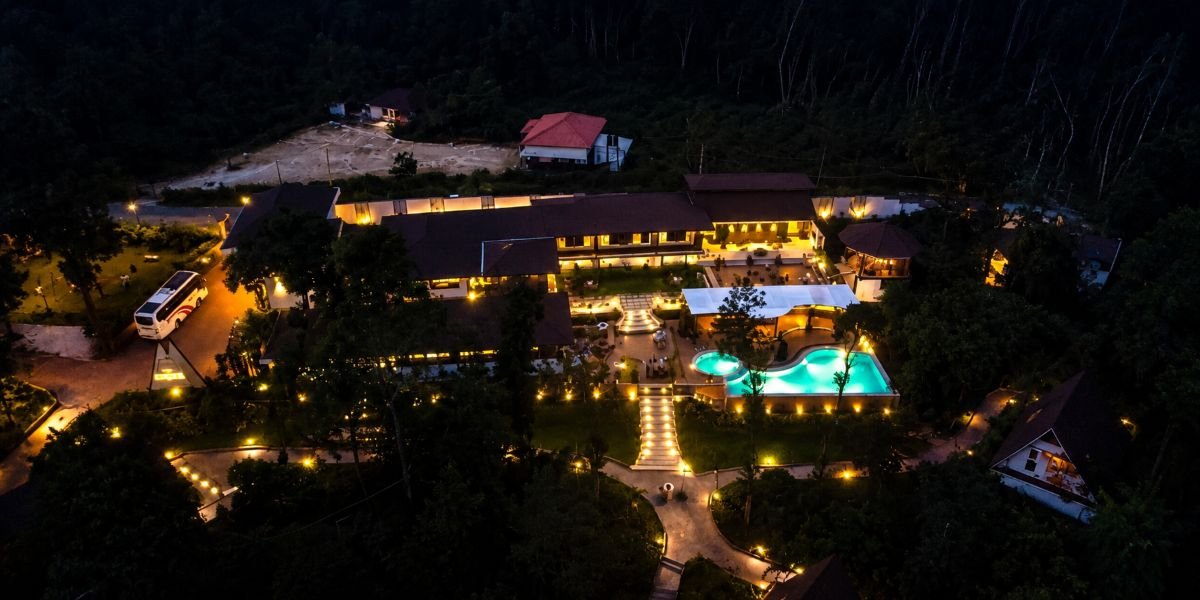
INIKA Resorts in Kuttandi, Virajpet, Coorg, offers a nature-focused accommodation experience with cottages and a peaceful setting. Its location and hospitality proposition may suit travellers who want to combine plantation landscapes and regional exploration with a comfortable stay. The resort’s official website provides information about its accommodation and booking options.
A stay at a nature resort does not itself provide an authentic Kodava cultural experience. Instead, it can serve as a base from which visitors plan their own responsible exploration of the wider region. Festival access, local transport, and the availability of cultural experiences should be confirmed independently.
Why Kodava Martial Tradition Still Matters
The Kodava martial tradition is important because it shows how culture can preserve memories of earlier ways of life while continuing to adapt to the present.
Weapons, agricultural tools, festivals, and ancestral customs all tell different parts of the story. Focusing exclusively on warrior identity risks reducing a living community to a single historical image. Looking at agriculture, family life, and cultural continuity creates a fuller understanding of Kodagu.
For travellers, this history adds depth to a visit. The hills and coffee plantations may be what first attract people to Coorg, but the region’s cultural traditions help explain why the landscape has meaning beyond its appearance.
Conclusion
The Kodava martial tradition is a significant part of Coorg’s cultural heritage, particularly through the festival of Kailpodh and its association with weapons, agriculture, and community responsibilities. Puthari and other customs reveal the equally important role of harvest, ancestral traditions, and family life.
A thoughtful visit to Coorg should treat these traditions as living cultural practices rather than simply as spectacles. By learning about their history, respecting local customs, and allowing time for meaningful exploration, travellers can discover a richer side of Kodagu—one that extends well beyond its famous scenery.