



The Spice Route: Exploring Coorg’s Cardamom, Pepper, and Vanilla Estates
A walk through a Coorg plantation can change the way you think about spices. Cardamom is not simply the green pod added to tea, pepper is not just something sitting in a grinder, and vanilla does not begin its life as a flavouring on a dessert menu. In the plantations of Kodagu, these crops grow as part of a much larger landscape where shade trees, coffee plants, rain, soil and careful cultivation all work together.
That is what makes exploring Coorg’s spice-growing country interesting. You are not just looking at individual plants. You are seeing how several crops share the same environment.
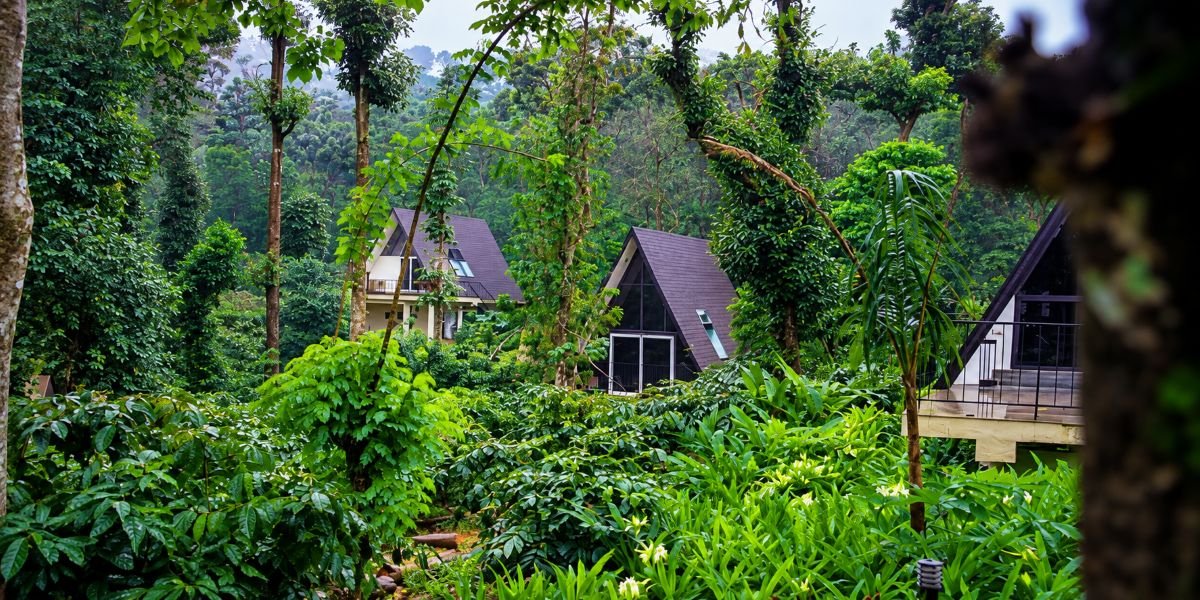
For travellers staying around South Coorg, a plantation experience can also become an important part of the holiday itself. At INIKA Resorts in Kuttandi, Virajpet, the coffee-estate setting gives guests a chance to experience the quieter, greener side of Coorg rather than treating the plantation landscape as something to pass on the way to another attraction. The resort’s own guest experiences and website content highlight its coffee plantation surroundings and plantation walks.
Why Coorg’s plantations grow more than coffee
Coffee may be the crop most closely associated with Coorg, but the plantation landscape is considerably more varied.
Pepper vines can climb supporting trees through the plantation, while shade-loving cardamom occupies the cooler, more sheltered areas closer to the ground. Vanilla, another climbing crop, has its own very different growth pattern. Karnataka Tourism similarly identifies black pepper, cardamom and other spices among the crops found alongside coffee in Coorg.
This layered arrangement is one of the most interesting things to notice during a plantation walk.
Look upward and you may see the taller trees forming a canopy. Look around the middle layer and coffee plants occupy the space beneath them. Then look closer to the ground and the plantation begins to reveal another level of vegetation.
It is this combination—not rows of one crop stretching endlessly across an open field—that gives many Coorg plantations their distinctive character.
Cardamom: the spice that prefers shade
Cardamom is easy to recognise once you know where to look, but it is less obvious than pepper because its growth is close to the ground.
The plant prefers warm, humid and shaded conditions, which makes the moist plantation environment of parts of the Western Ghats suitable for its cultivation. Its small green capsules contain the aromatic seeds that eventually find their way into tea, sweets, savoury dishes and spice blends.
A plantation walk is useful here because photographs rarely communicate how cardamom actually fits into the landscape. You can see the plant growing beneath a canopy rather than imagining it as a crop grown in isolation.
The timing of your visit also matters. Coorg’s weather changes considerably through the year, and rain can alter the appearance and accessibility of plantation paths. During wetter months, the greenery becomes particularly intense, but walking surfaces can also become slippery.
That means comfortable footwear with good grip is more useful than trying to dress for a picture-perfect plantation photograph.
Pepper: follow the vines upward
Pepper is perhaps the easiest of the three spices to appreciate visually.
Instead of growing as a conventional bush, black pepper is a climbing vine. In plantation landscapes, it can use trees as natural support, creating vertical lines of greenery that are easy to miss if you are only looking at the coffee plants.
The peppercorns begin as clusters of berries. Their eventual colour and processing determine how they are used, with black pepper being the familiar dried spice found in kitchens around the world.
What makes seeing pepper in Coorg valuable is understanding its relationship with the rest of the plantation.
A tree may support a pepper vine. The surrounding canopy helps create shade. Coffee occupies the lower layer. Other plants contribute to the wider ecosystem.
Suddenly, a bottle of pepper on your kitchen shelf has a much longer story behind it.
Vanilla: the delicate climber
Vanilla tends to attract attention for a different reason. Unlike pepper, its story is less immediately familiar to most travellers.
Vanilla is an orchid and grows as a climbing plant. It prefers warm, humid conditions and shade, and its cultivation requires considerably more care than simply planting a seed and waiting for pods to appear.
The familiar vanilla bean is actually the cured fruit of the plant. The fresh pods go through processing before developing the dark colour and characteristic aroma associated with vanilla.
This is why a plantation visit should ideally be approached as a learning experience rather than simply a photo opportunity.
Ask questions.
Where does the vanilla grow? How is it supported? When is it harvested? What happens to the pods afterward?
Those details turn a short walk into something you are likely to remember long after the trip.
What a spice-focused plantation walk should help you understand
You do not need an agricultural background to enjoy a plantation.
A good walk should answer simple questions:
What grows here?
Identify the coffee, pepper, cardamom, vanilla and other plants around you.
Why do they grow here?
Look at shade, moisture, elevation and the plantation’s natural surroundings.
How do the crops share the land?
Notice the different heights and growing patterns rather than viewing each plant separately.
What happens after harvesting?
The crop you see on the plant has not yet become the finished spice in your kitchen.
This last point is particularly important. Harvesting, drying, curing, grading and storage can all influence the final product. Even when you are not watching every stage during your visit, understanding that journey gives greater meaning to what you see.
When is the best time to explore Coorg’s spice country?
There is no single month that makes a plantation experience worthwhile.
The monsoon period brings abundant greenery and a distinctly wet atmosphere, but heavy rain can affect walking conditions and travel plans. September, for example, can still bring changing weather, so outdoor plans benefit from flexibility.
After the monsoon, plantation paths may become easier to explore, while the landscape remains green. The cooler months can be comfortable for combining plantation time with sightseeing.
The better approach is to match the season to the experience you want.
If your priority is lush greenery and rain-fed atmosphere, wetter months have their own appeal. If you want easier outdoor movement, drier periods may be more convenient.
Either way, check the day’s weather and local conditions rather than relying entirely on a fixed seasonal assumption.
Turning a spice walk into part of your Coorg stay
One mistake travellers sometimes make is treating a plantation as a quick stop between attractions.
You arrive, take photographs, walk for a few minutes and leave.
A slower approach can be much more rewarding.
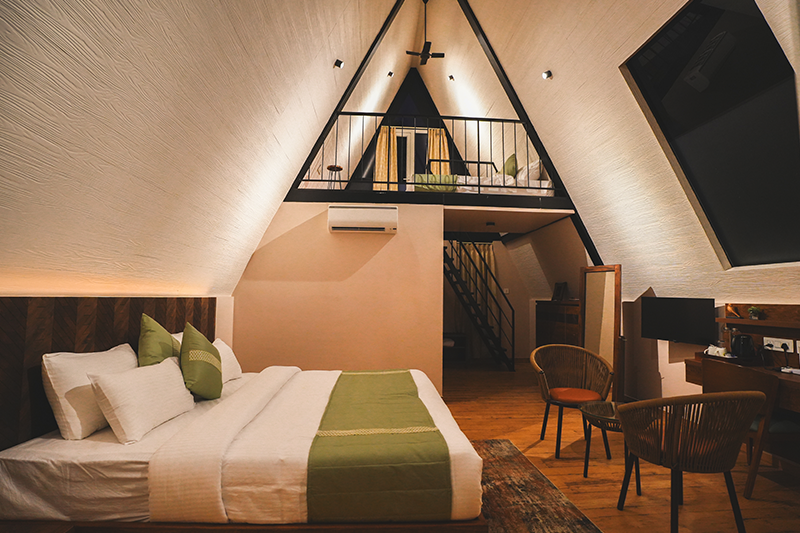
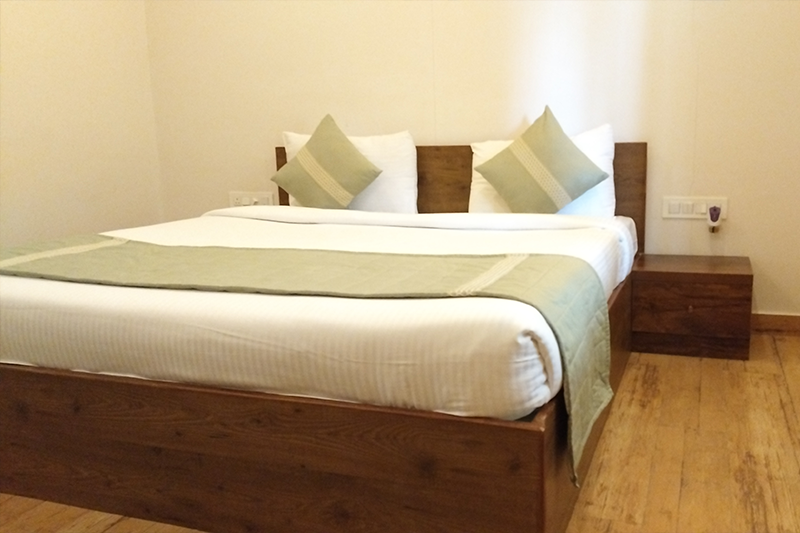
At INIKA Resorts, the plantation setting around the property makes it possible to think about the stay differently. Instead of using the resort simply as a place to sleep after a full day of driving, you can leave room for plantation time, nature, relaxation and unhurried mornings. The property offers cottages and houses designed around its natural surroundings, while its experiences include coffee-related activities and outdoor recreation.
For a two-night trip, for example, you could keep one day relatively open. Spend part of the morning exploring the plantation environment, return for a relaxed meal, and leave the afternoon flexible instead of immediately adding another long-distance sightseeing route.
That is particularly useful in South Coorg, where the location of your stay can influence how much time you spend on the road.
What to notice during your next plantation visit
Do not only look for the obvious.
Notice the way pepper vines use trees for support. Look beneath the canopy for cardamom. Search for vanilla’s climbing growth. Pay attention to how different plants occupy different levels of the same landscape.
Listen for birds. Notice how the plantation changes after rain. Smell the leaves when they are wet. Look at the soil and the shade.
These small observations are what separate a plantation visit from simply seeing a field of crops.
And perhaps that is the real appeal of Coorg’s spice route. The experience is not about collecting a checklist of cardamom, pepper and vanilla. It is about understanding how these ingredients are connected to the land that produces them.
A slower way to experience Coorg
Coorg’s spice plantations offer something that a conventional sightseeing itinerary cannot: a chance to understand the landscape through the things that grow in it.
Cardamom introduces you to the shaded lower layers of the plantation. Pepper leads your eyes upward along climbing vines. Vanilla reveals the careful cultivation behind one of the world’s most recognisable flavours. Together with coffee and the surrounding trees, they form a living agricultural landscape rather than a collection of separate crops.
For travellers who want that landscape to be part of the holiday—not merely something viewed through a car window—staying in a plantation setting can make a meaningful difference. In Kuttandi, Virajpet, INIKA Resorts offers that kind of nature-oriented base, with its cottages set within a coffee plantation environment and experiences designed around time spent in the surrounding landscape.
The next time you add pepper to a meal, cardamom to tea or vanilla to a dessert, it is worth remembering that each began somewhere very different from your kitchen shelf. In Coorg, you can get close enough to that beginning to see the plants, the people and the landscape behind the flavour.