




July transforms South Coorg into a rain-washed landscape filled with green coffee plantations, misty hills, flowing streams and cool monsoon air. Travelers Prefer South Coorg During July because the season offers a quieter and more nature-focused experience than a conventional sightseeing holiday. From plantation stays near Virajpet to scenic drives and powerful waterfalls, July is ideal for visitors who enjoy rain, relaxation and flexible travel plans.
Quick Answer: Why Do Travelers Prefer South Coorg During July?
Travelers choose South Coorg in July for its peak monsoon greenery, mist-covered coffee estates, fuller waterfalls, cool surroundings and peaceful plantation stays. The season is especially appealing to couples, photographers, nature lovers and slow travelers who prefer meaningful experiences over a tightly packed sightseeing schedule. However, visitors should also expect frequent rain, wet roads and occasional changes to outdoor plans.
What Makes South Coorg Different from the Rest of Coorg?
South Coorg offers a more rural, plantation-oriented experience centred around destinations such as Virajpet, Kutta, Kakkabe and the Brahmagiri region. While Madikeri is the district headquarters and a popular sightseeing base, the southern part of Coorg is better known for coffee estates, forest landscapes, waterfalls and access to wildlife areas. Kodagu’s economy and identity are closely connected with coffee cultivation, agriculture, forests and tourism.
The Plantation Landscape Around Virajpet: Virajpet is surrounded by coffee, pepper and spice plantations that become exceptionally green during the monsoon. Rain settles on the leaves, mist moves between the trees and the countryside feels fresh throughout the day. Staying in this landscape allows visitors to experience the natural character of Coorg rather than simply travelling between crowded tourist attractions.
A Quieter Alternative to Central Coorg: South Coorg can feel calmer than the busier sightseeing areas around central Madikeri because its attractions are spread across plantations, villages and forest routes. It is particularly suitable for travelers who want privacy, peaceful mornings and more time inside their resort instead of spending the entire holiday moving from one tourist point to another.
Easy Access to Nature, Waterfalls and Forest Areas: A stay near Virajpet provides convenient access to natural attractions such as Chelavara Falls, Iruppu Falls, Kakkabe, the Tadiandamol region and the forests around Nagarhole. Iruppu Falls flows through the Brahmagiri Hills and forms part of the Lakshmana Tirtha River, while movement beyond designated areas is restricted because of the surrounding wildlife sanctuary.
The Slow and Authentic Side of Coorg: South Coorg encourages visitors to slow down and appreciate plantation walks, local food, birdsong, rain and quiet views. The experience is less about completing a long sightseeing list and more about enjoying the atmosphere of the Western Ghats. This style of holiday is particularly attractive during July, when weather conditions naturally encourage flexible and unhurried travel.
Who Should Choose South Coorg Over Madikeri?: South Coorg is a suitable choice for couples, nature lovers, wellness travelers, photographers and families looking for a resort-focused holiday. Madikeri may be more convenient for visitors who want quick access to famous town attractions, while Virajpet and its surrounding plantations are better for travelers seeking privacy, nature and a peaceful countryside setting.
Why Travelers Prefer South Coorg During July
Travelers Prefer South Coorg During July because the monsoon enhances almost every part of its natural landscape. Coffee estates appear greener, waterfalls carry more water and low clouds create dramatic views across the hills. Karnataka Tourism identifies the June-to-September monsoon as a rewarding period for visitors who enjoy greenery and waterfalls, although activities must remain dependent on local weather conditions.
Coffee Plantations Look Their Greenest: Regular monsoon rain refreshes coffee plants, shade trees and the surrounding vegetation, creating layers of deep green across the estates. The wet leaves, earthy fragrance and occasional coffee or spice aromas make plantation surroundings especially immersive. Visitors can enjoy this scenery from their rooms, covered balconies or guided estate trails when the rain becomes lighter.
Mist Creates a Peaceful Monsoon Atmosphere: Mist often moves across the hills and plantations during rainy periods, softening the landscape and creating a calm atmosphere. Early mornings can be particularly memorable as clouds hang between trees and distant hills appear and disappear. This makes July attractive to couples and travelers who value quiet surroundings more than guaranteed sunshine.
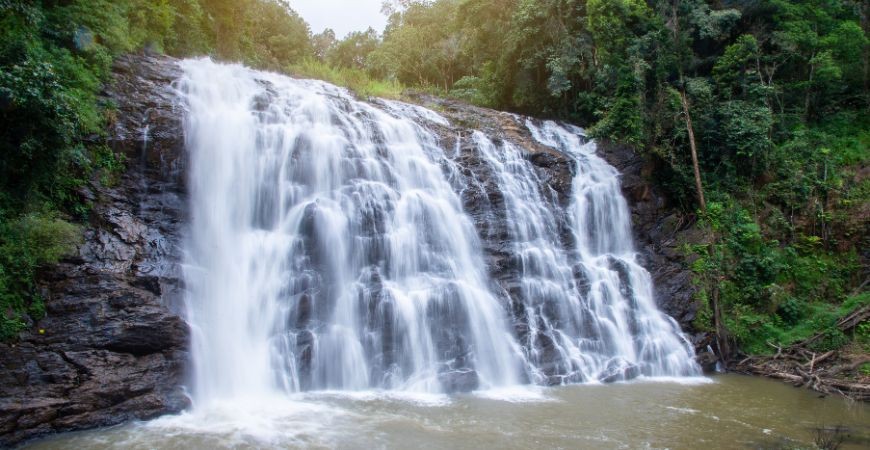
Waterfalls and Streams Become More Impressive: Monsoon rain increases the flow of waterfalls and streams across Coorg, creating powerful natural views. Iruppu Falls is particularly striking during the rainy season, although strong currents, wet trails and sudden changes in water level mean visitors should remain within safe viewing areas and follow local instructions. Swimming near strong cascades is not recommended.
The Weather Encourages Slow, Restful Travel: July weather encourages visitors to spend more time enjoying their accommodation, local cuisine, coffee and plantation views. Instead of rushing between multiple attractions, travelers can plan one main outdoor experience each day and leave enough time for relaxation. This slower rhythm can make a South Coorg holiday feel more restorative and less exhausting.
Plantation Resorts Offer an Immersive Nature Experience: A plantation resort allows guests to experience the monsoon without travelling continuously in wet weather. Guests can watch the rain from sheltered areas, enjoy estate views, take short guided walks and return easily to the comfort of their rooms. Resorts with indoor dining, wellness facilities and covered spaces are especially practical during July.
The Rain Creates Excellent Photography Opportunities: Rain-washed leaves, moving clouds, reflections, waterfalls and misty plantation roads provide excellent subjects for landscape and nature photography. The softer monsoon light can create atmospheric images, although photographers should carry waterproof covers, lens cloths and protective bags. Early mornings and short periods after rain often provide the clearest conditions.
July Feels Less Commercial and More Secluded: The weather encourages visitors to remain within plantation areas and explore at a relaxed pace, which can make the trip feel more private and connected to nature. Rather than focusing on shopping streets and busy sightseeing circuits, travelers can spend their time discovering village roads, estate landscapes, local food and the natural sounds of the monsoon.
Indoor and Outdoor Experiences Can Be Combined: A well-planned July holiday can include plantation walks, waterfall visits and scenic drives during suitable weather, followed by indoor dining, spa treatments, reading or coffee tasting when the rain becomes heavier. This balance prevents bad weather from ruining the trip and allows visitors to enjoy the changing character of the monsoon.
What Is South Coorg Weather Like in July?
July is part of Coorg’s main monsoon period, so travelers should expect regular rainfall, humid conditions, cloudy skies and occasional mist. The weather may change within a short period, with heavy showers followed by lighter rain or brief dry intervals. Travelers should avoid relying on exact long-range predictions and check local forecasts shortly before each activity.
Does It Rain All Day in South Coorg?: Rain does not necessarily continue at the same intensity throughout every day, but prolonged wet periods are possible. Some days may include intermittent showers and useful breaks for outdoor activities, while others may experience persistent rain. Visitors should therefore avoid building an itinerary that depends entirely on clear weather.
How July Weather Affects Sightseeing: Waterfalls and plantations become more attractive during July, but viewpoints may be hidden by mist and some trails can become muddy or slippery. Outdoor plans should be arranged according to the day’s conditions rather than fixed in advance. Travelers should also keep a comfortable indoor activity available as a backup.
Is July a Good Time to Visit South Coorg?
July is a good time to visit South Coorg for travelers who enjoy rain, greenery, coffee plantations and slow holidays. It may not suit visitors who expect dry roads, uninterrupted viewpoints or a demanding outdoor itinerary. The best experience comes from accepting the monsoon as part of the holiday rather than treating it as an inconvenience.
July Is Ideal for Travelers Who…: July suits nature lovers, couples, honeymooners, photographers, wellness guests, coffee enthusiasts and travelers who enjoy peaceful resort stays. It is also a good option for visitors comfortable with flexible plans and occasional changes. The season rewards people who appreciate atmosphere, relaxation and scenery rather than constant outdoor activity.
July May Not Be Ideal for Travelers Who…: The month may disappoint travelers who require clear skies, dry walking routes and a rigid sightseeing schedule. It may also be unsuitable for visitors planning difficult unguided treks or continuous outdoor activities with young children. People uncomfortable with rain, humidity, leeches or winding wet roads may prefer a drier month.
A Balanced Verdict on Visiting South Coorg in July: South Coorg is worth visiting in July when expectations match the season. The landscape is beautiful, the waterfalls are stronger and plantation stays become especially atmospheric, but weather-related delays are possible. Choosing suitable accommodation and keeping the itinerary flexible can turn these limitations into part of the experience.
South Coorg in July at a Glance
| Travel Factor | What Visitors Can Expect |
| Weather | Cool, cloudy, humid and frequently rainy |
| Rainfall | Regular showers with occasional heavy spells |
| Greenery | Dense, fresh and at its monsoon best |
| Waterfalls | Stronger and more impressive |
| Road conditions | Wet, slippery and slower in poor visibility |
| Outdoor activities | Possible during safe weather windows |
| Crowd experience | Often calmer in plantation areas |
| Photography | Excellent for mist, greenery and waterfalls |
| Recommended accommodation | Plantation resort with indoor facilities |
| Best suited for | Couples, nature lovers and slow travelers |
| Overall July experience | Beautiful but weather-dependent |
Best Experiences in South Coorg During July
July experiences are most enjoyable when they connect visitors with the landscape rather than requiring a rigid schedule. Staying inside a coffee plantation, tasting local food, watching the rain, visiting a waterfall and taking a guided nature walk can be more rewarding than attempting to cover many distant attractions in one day.
Stay Inside a Coffee Plantation: A plantation stay places visitors directly within the greenery that makes South Coorg special. Guests can wake to rain, birdsong and mist instead of town traffic. It also reduces unnecessary travel because the natural setting becomes part of the holiday experience rather than simply the background to it.
Take a Guided Plantation Walk Between Rain Showers: A guided walk can introduce visitors to coffee plants, shade trees, pepper vines, local birds and plantation practices. Walks should be scheduled only when the estate team considers conditions safe. Suitable shoes and insect protection are essential because paths may be wet, uneven or affected by leeches.
Enjoy Misty Mornings from Your Room or Balcony: Some of the most memorable July moments require no detailed itinerary. Watching mist drift through plantation trees while enjoying locally grown coffee can provide the peaceful experience many travelers seek. Accommodation with a private or sheltered view is therefore particularly valuable during a monsoon holiday.
Visit Seasonal Waterfalls and Rain-Fed Streams: Waterfall visits are among the main attractions of July, but visitors should view them from approved areas and avoid approaching fast-moving water. Heavy rain can increase currents rapidly and make rocks dangerously slippery. Local authorities, resort staff and guides should always be consulted before departure.
Try Traditional Kodava Food: Rainy weather is an excellent setting for enjoying warm regional dishes and local coffee. Travelers can explore Kodava flavours through carefully prepared meat dishes, rice-based foods, seasonal vegetables and regional accompaniments. Resort staff can help guests choose dishes according to dietary preferences and spice tolerance.
Enjoy Wellness, Meditation or Spa Experiences: Wellness experiences provide a useful balance when outdoor plans are interrupted by rain. Meditation, spa treatments, quiet reading and mindful time in nature can make the trip feel restorative. These activities also support the slower style of travel that suits South Coorg during the monsoon.
Best Places to Visit in and Around South Coorg in July
South Coorg offers a combination of waterfalls, plantations, heritage attractions, villages and wildlife landscapes. Suitable choices include Iruppu Falls, Chelavara Falls, Kakkabe, Nalknad Palace and the Tadiandamol foothills. Nalknad Palace was built between 1792 and 1794 and is known for its historic paintings and carvings, while Kodagu’s highest peak is situated nearby.
| Place | Best July Experience | Approximate Travel from Virajpet | Rain Consideration | Suitable For |
| Virajpet plantation roads | Scenic drive and estate views | Local area | Drive slowly in mist | All travelers |
| Chelavara Falls | Strong monsoon cascade | Around 30–60 minutes | Avoid slippery edges | Nature lovers |
| Kakkabe | Village and hill scenery | Around 35–50 minutes | Expect wet roads | Couples and photographers |
| Nalknad Palace | Heritage and architecture | Around 45–60 minutes | Carry an umbrella | Families and history lovers |
| Tadiandamol foothills | Mountain and plantation views | Around 45–75 minutes | Avoid difficult treks in heavy rain | Experienced outdoor visitors |
| Iruppu Falls | Forest waterfall experience | Around 75–100 minutes | Follow sanctuary restrictions | Families and nature lovers |
| Nagarhole region | Forest drive and wildlife landscape | Half-day outing | Entry and safari depend on conditions | Wildlife enthusiasts |
Travel times are broad estimates from Virajpet and may increase because of rain, road conditions, route choice and the exact starting point.
Which Activities Are Safe and Practical in July?
Plantation walks on approved paths, sheltered sightseeing, local dining, wellness activities and short scenic drives are generally practical when conditions are suitable. Waterfall trails, rafting and hill activities should only be attempted when officially operating and supervised. Karnataka Tourism notes that Barapole rafting is seasonal from July to October and should be conducted through trained operators using proper safety equipment.
What Are the Roads Like in South Coorg During July?
Roads around Virajpet can remain usable during July, but heavy rain may reduce visibility and create slippery sections, potholes, waterlogging or temporary disruption. Travelers should drive slowly, avoid unnecessary night travel and allow extra time between destinations. Karnataka Tourism advises monsoon visitors to check current conditions because roads in hilly areas may occasionally close after heavy rainfall.
Self-Drive Car, Taxi or Resort Transport: Confident drivers may use a well-maintained car, but a local taxi or resort-arranged vehicle can be more comfortable for visitors unfamiliar with winding plantation roads. Local drivers generally understand the routes and changing conditions better. Motorcycles are less comfortable during persistent rain and offer limited protection for luggage.
How to Reach South Coorg in July
Virajpet can be approached by road from Bengaluru, Mysuru, Mangaluru and Kannur, although travel time depends on the selected route and monsoon conditions. Kodagu district has no railway station or airport, so visitors must complete the final part of the journey by road. Mysuru, Mangaluru, Kannur and nearby railway connections are commonly considered when planning a Coorg trip.
Where Should You Stay in South Coorg During July?
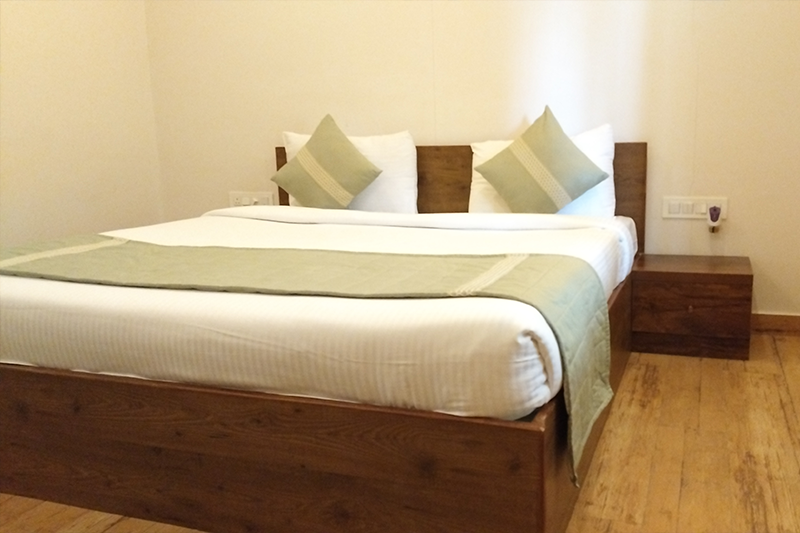
A plantation resort is usually more suitable than a basic town stay for a July holiday because guests can enjoy nature even when outdoor sightseeing is limited. Look for reliable road access, an on-site restaurant, power backup, covered spaces, indoor activities, plantation views, transport assistance and staff who can provide current local guidance.
Resort Stay vs Town Hotel: A town hotel may suit travelers focused on budget and transport convenience, while a plantation resort offers greater privacy, scenery and opportunities to relax without leaving the property. During July, the quality of the accommodation matters more because guests may spend additional time indoors during heavy rain.
Best Stay Type for Couples and Families: Couples may prefer private rooms, plantation views and wellness facilities, while families should prioritise safe pathways, comfortable dining and suitable indoor activities. Senior travelers may benefit from accommodation with minimal climbing, vehicle access close to the rooms and staff support for arranging easy sightseeing.
Why Stay Near Virajpet During a July Trip?
Virajpet offers a useful base for exploring the plantations, waterfalls and cultural attractions of South Coorg while avoiding the need to stay in a busy town centre. Its surrounding countryside supports slow travel, scenic drives and resort-based relaxation, making it especially suitable for a two- or three-night monsoon escape.
Suggested South Coorg July Itinerary
A three-day itinerary provides enough time to enjoy the landscape without rushing. The schedule should include only one major outing per day and maintain a rain backup. Activities can be exchanged depending on local weather, road conditions and attraction access.
| Day | Morning | Afternoon | Evening | Rain Backup |
| Day 1 | Arrive and check in | Explore the plantation | Relax with coffee and dinner | Indoor resort activities |
| Day 2 | Visit a waterfall | Local lunch and cultural stop | Wellness or leisure time | Spa, games or covered estate tour |
| Day 3 | Scenic drive or short walk | Lunch and checkout | Departure | Relaxed resort morning |
What to Pack for South Coorg in July
Visitors should pack a lightweight rain jacket, umbrella, quick-drying clothes, non-slip footwear, spare socks, insect repellent, personal medicines, a waterproof phone pouch and a small day bag. Cameras and electronic devices should remain inside protective covers, while a portable charger can be useful during long drives or weather-related delays.
Important Safety Tips for Visiting South Coorg in July
Check the weather before leaving the resort, avoid fast-flowing streams and do not stand close to waterfall edges. Wear footwear with proper grip and avoid isolated forest routes without a guide. Leeches may be present on wet plantations and forest trails, so suitable protection is advisable. Always follow instructions from local authorities, guides and resort staff.
South Coorg in July for Different Types of Travelers
Couples can enjoy privacy and romantic misty surroundings, families can combine short outings with resort time, photographers can capture dramatic landscapes and wellness travelers can focus on relaxation. Senior visitors should choose accessible accommodation, while adventure travelers must ensure that activities are officially open and professionally supervised.
Common Mistakes to Avoid During a July Coorg Trip
Avoid planning too many attractions in one day, expecting uninterrupted sunshine or selecting accommodation only by price. Other common mistakes include travelling without rain protection, attempting difficult treks in poor weather and ignoring local road advice. The most successful July trips remain simple, comfortable and flexible.
Final Verdict
South Coorg is worth visiting in July for travelers who appreciate monsoon scenery, peaceful plantation stays and flexible holidays. The season brings remarkable greenery, dramatic waterfalls and a slower rhythm, but it also requires realistic expectations about rain and road conditions. With thoughtful planning, suitable accommodation and fewer daily activities, July can provide one of the most atmospheric ways to experience South Coorg.