




Complete Month by Month Guide to Visiting Coorg (January–December)
Introduction
Few destinations in South India shift as dramatically through the calendar as Coorg. Tucked into the Western Ghats of Karnataka, this hill district transforms from a sun-warmed coffee-and-spice landscape in the cool winter months to a dripping, mist-wrapped jungle during the monsoon, and back again through a glorious post-rain season painted in vivid greens. No two seasons offer the same Coorg.
Choosing the right month to visit is not merely a matter of comfort. It shapes the experiences available to you: the waterfalls you can safely reach, the plantation trails you can walk, the sunsets you will actually see. A family travelling with young children, a couple seeking a quiet honeymoon retreat, a wildlife enthusiast, and a budget backpacker all have different optimal windows.
This guide walks through every month of the year in detail, covering weather, crowd levels, activities, and practical travel tips. By the end, you will know exactly when to book, what to expect on arrival, and how to make the most of Coorg whichever season you choose.
Quick Overview: Best Months to Visit Coorg at a Glance
Best Month for Families
October to February. The weather is mild and predictable, roads are dry, and most attractions are fully accessible. December and January in particular offer comfortable daytime temperatures ideal for children.
Best Month for Couples
November to February. The post-monsoon freshness and winter cool create a romantic atmosphere, with clear skies and lush surroundings.
Best Month for Honeymooners
November and December. Plantation stays are at their most photogenic, the air is crisp, and the shoulder-season crowds of October have settled. February is also a popular choice for its Valentine’s Day timing and pleasant weather.
Best Month for Budget Travelers
June to August. Accommodation rates drop considerably during the monsoon, and those comfortable with rain can find genuine value in this season.
Best Month for Nature Lovers
October and November. The landscape immediately after the monsoon is extraordinarily lush. Rivers run clear, waterfalls are full without being dangerous, and migratory birds begin arriving.
Best Month for Photographers
October for waterfalls and greenery; December to February for misty mornings, sunrise shots over coffee estates, and clear golden-hour light.
Best Month for Road Trips
November to February. Roads are dry and in good condition after monsoon repairs, and the scenic drives through the Ghats are at their most enjoyable.
| Month | Temp Range | Rainfall | Crowd Level | Best For |
|---|---|---|---|---|
| January | 10–24°C | Low | High | Families, Couples, Road Trips |
| February | 12–26°C | Low | Moderate-High | Honeymooners, Sightseeing |
| March | 15–30°C | Very Low | Moderate | Budget Travel, Trekking |
| April | 17–32°C | Low | Low | Budget Travel, Quiet Stays |
| May | 18–33°C | Low-Moderate | Low | Pre-Monsoon Waterfalls |
| June | 18–25°C | Very High | Low | Monsoon Lovers, Budget Travel |
| July | 17–24°C | Very High | Very Low | Solitude, Lush Landscapes |
| August | 17–24°C | Very High | Very Low | Waterfalls, Budget Travel |
| September | 17–26°C | High | Low | Waterfalls, Transitional Season |
| October | 16–28°C | Moderate | Moderate | Nature, Photography, Trekking |
| November | 13–26°C | Low | Moderate-High | All Travellers, Photography |
| December | 10–22°C | Very Low | Very High | Families, Honeymooners, Luxury |
Understanding Coorg’s Seasons
Summer Season (March–May)
Coorg’s summer is warmer than its winter but significantly cooler than the plains of Karnataka. Temperatures climb to around 32–33°C at peak, which is manageable given the altitude and tree cover. Rainfall is minimal through March and April, though May brings the first pre-monsoon showers. This is a quieter period for tourism, making it attractive for those who prefer uncrowded trails and lower room rates. Coffee blossoming happens in late February into March, filling plantation estates with a jasmine-like fragrance that is one of Coorg’s most distinctive sensory experiences.
Monsoon Season (June–September)
The Southwest Monsoon typically arrives in Coorg around the first week of June and retreats in September. This is among the wettest periods anywhere in South India, with Coorg receiving 2,000–3,000 mm of annual rainfall, much of it concentrated in these four months. The landscape is transformed: every stream becomes a waterfall, coffee estates gleam, and the forests turn an intense green. However, the rain is persistent and often heavy. Landslides can affect certain routes, some trekking trails are closed, and outdoor activities are limited. Accommodation is available at substantially reduced rates.
Post-Monsoon Season (October–November)
This is arguably the most rewarding time to visit Coorg if you want the best of both worlds: the lushness of the monsoon without its inconvenience. Rains taper off through October, though brief showers remain possible. The waterfalls are still at full strength in early October, the coffee estates are heavy with ripening berries, and the air is clean and cool. Crowd levels are moderate, rising toward the end of November as the domestic travel season begins. Many experienced travellers consider this the sweet spot of the Coorg calendar.
Winter Season (December–February)
Winter brings Coorg’s most tourist-friendly conditions. Temperatures in the mornings can drop to 8–10°C in higher elevations, with pleasant afternoons in the low 20s. The skies are clear, making it ideal for sunrise viewing from viewpoints, plantation walks, and photography. December is the peak season, with the highest volumes of domestic and international visitors. Hotel rates reflect this demand. January and February are slightly less crowded while maintaining the same comfortable weather, making them the preferred choice for many who want good conditions without peak-season pricing.
Coorg in January
Weather
January sits firmly in the heart of winter. Morning temperatures regularly dip to 10–12°C, especially in elevated areas like Brahmagiri and Tadiandamol. Afternoons warm up to around 22–24°C under clear skies. Rainfall is negligible. Early mornings often bring mist rolling through the coffee estates, one of Coorg’s most photographed scenes.
Crowd Levels
January is busy, particularly in the first two weeks as the holiday travel period from December extends. By mid-January, crowds ease slightly compared to the peak Christmas-New Year rush. Advance booking remains advisable, especially for plantation stays.
Activities
- Plantation walks through coffee and cardamom estates
- Trekking to Tadiandamol (Coorg’s highest peak) and Pushpagiri
- Visiting Abbey Falls and Iruppu Falls in comfortable conditions
- Wildlife spotting at Nagarhole National Park and Dubare Elephant Camp
- Photography at Raja’s Seat at sunrise
- White water rafting on the Barapole River
Travel Tips
Pack warm layers for the mornings and evenings. A light jacket or shawl is essential. Book accommodation at least 3–4 weeks in advance. Roads are in excellent condition; it is one of the best months for scenic drives along the Ghats.
Who Should Visit?
Families, couples, honeymooners, first-time visitors to Coorg, and anyone who prioritises comfortable weather and clear skies over solitude.
Coorg in February
Weather
February is very similar to January in temperature and character. Mornings remain cool at 12–15°C, afternoons pleasant at 24–26°C. Occasional light showers are possible toward the end of the month as pre-monsoon activity begins, but these are brief and do not significantly affect travel.
Crowd Levels
February sees a noticeable spike around Valentine’s Day, with couples’ packages heavily booked in the second week. Outside of that window, it is one of the calmer months of the peak season, with slightly lower prices than December or January.
Activities
- Coffee blossom season begins in late February, filling estates with fragrance
- Trekking conditions remain excellent
- Bird watching—migratory species are still present
- Cultural visits to Madikeri Fort and Raja’s Tombs
- Coorg cuisine trails through homestays and local restaurants
Travel Tips
If visiting around Valentine’s Day, book well in advance. February is a particularly good time for couples seeking a romantic plantation stay, as the coffee blossoms add a unique atmospheric quality that only exists in this window.
Who Should Visit?
Couples and honeymooners, photographers seeking the coffee blossom season, families, and those who want good weather with slightly fewer crowds than January.
Coorg in March
Weather
March marks the beginning of summer, and temperatures climb noticeably—afternoons can reach 28–30°C. Mornings are still pleasant at 15–18°C. Rainfall is minimal. The landscape begins to dry slightly compared to the post-monsoon freshness of winter.
Crowd Levels
Tourist numbers drop significantly after the February season. March is one of the quieter months, with fewer domestic travellers. School holiday periods from late March onwards bring some family visits, but overall this remains a peaceful time to explore Coorg.
Activities
- Trekking—trails are dry and in good condition
- Exploring Bylakuppe, the Tibetan settlement near Kushalnagar
- Visiting coffee estates during the harvest wrap-up and estate tours
- Coorg honey season—local markets carry fresh honey from Coorg’s forests
Travel Tips
Carry sunscreen and stay hydrated. The daytime heat, while moderate by coastal Indian standards, can feel warm on exposed trails. This is a good month for those seeking discounted accommodation.
Who Should Visit?
Trekkers, solo travellers, budget-conscious travellers, and those who prefer exploring without peak-season crowds.
Coorg in April
Weather
April is among the warmest months in Coorg. Afternoons touch 30–32°C, though the altitude moderates the heat compared to the Deccan plains. Pre-monsoon thunderstorms become occasional from mid-April, often providing dramatic afternoon skies. These storms are brief but intense.
Crowd Levels
Very low, making this one of the most peaceful months to visit. The exception is the Coorg Festival of Flowers (Puthari is in December, but local cultural events may occur), and some school summer holiday visitors from South Indian cities arrive toward late April and May.
Activities
- Outdoor activities in the morning hours before the afternoon heat
- Estate visits and cooking classes with local families
- Photography—pre-monsoon cloud formations create interesting skies
- Exploring Madikeri town and local markets
Travel Tips
Plan outdoor activities for early morning. Accommodation rates are at their lowest, making this a strong choice for budget travel. Some smaller guesthouses may run limited operations before the monsoon.
Who Should Visit?
Budget travellers, off-season explorers, those interested in cultural experiences rather than outdoor adventure.
Coorg in May
Weather
May is the transition month. The first half can be warm and dry, but the Southwest Monsoon approaches and pre-monsoon showers become increasingly regular and heavy from mid-May. By late May, some waterfall routes and streams begin to swell, offering a preview of the monsoon landscape.
Crowd Levels
May sees a moderate uptick in visitors due to school summer vacations across India. Families from Bengaluru and other South Indian cities make weekend trips. By the last week of May, as pre-monsoon rains intensify, some visitors opt to reschedule.
Activities
- Early May is good for trekking before the rains arrive
- Pre-monsoon waterfall viewing at Abbey Falls as streams begin to build
- Estate experiences before the peak coffee growing season begins
- Dubare Elephant Camp visits
Travel Tips
If visiting in May, target the first two weeks and be prepared for afternoon showers toward the end of the month. Pack a light rain jacket regardless of travel dates.
Who Should Visit?
Families with school-age children, travellers flexible enough to manage some rain, those looking for a budget window before the quiet monsoon period.
Coorg in June
First Monsoon Arrivals
The Southwest Monsoon typically establishes itself in Coorg by the first week of June. The transformation is rapid and dramatic: what was warm and partially dry becomes intensely green, rain-soaked, and misty within days. For a certain type of traveller, this is exactly the appeal.
Weather
Temperatures drop to a comfortable 18–25°C, but rainfall is substantial and near-continuous on many days. Cloud cover is persistent. Mornings may offer brief clear windows, but the rain generally intensifies through the day. Humidity is high.
Waterfalls
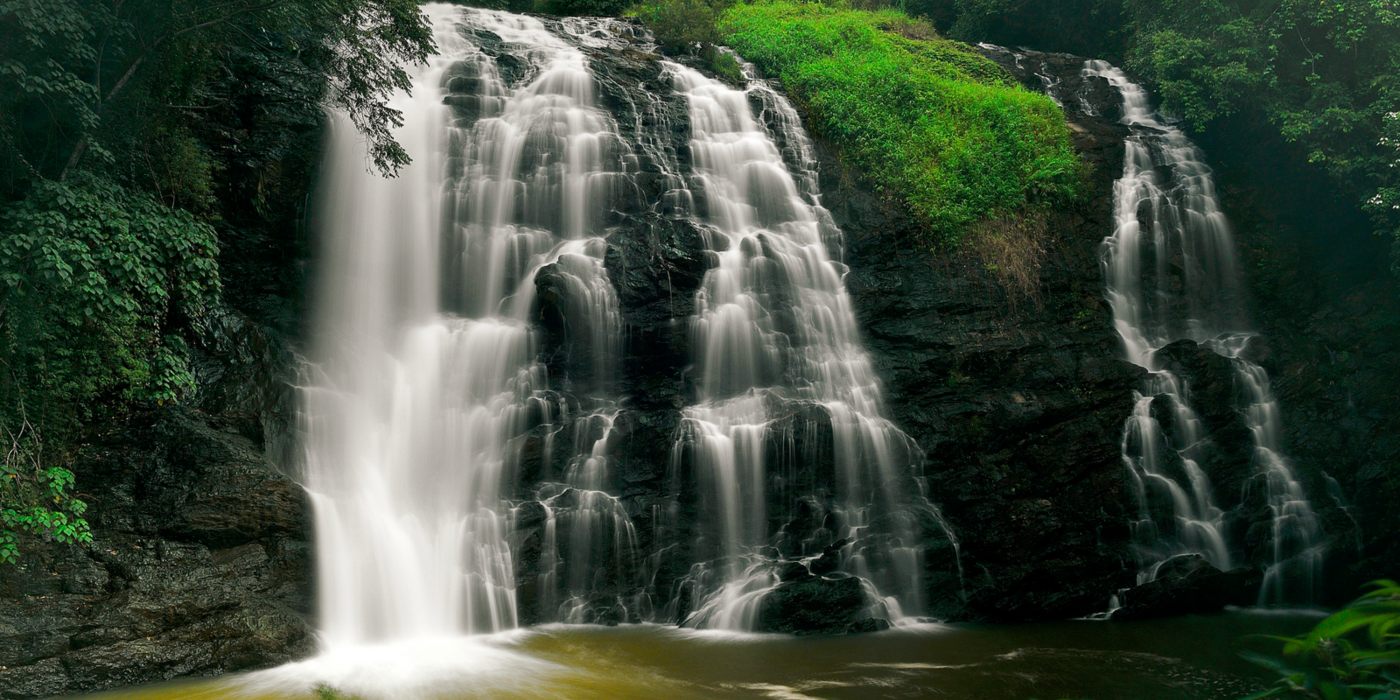
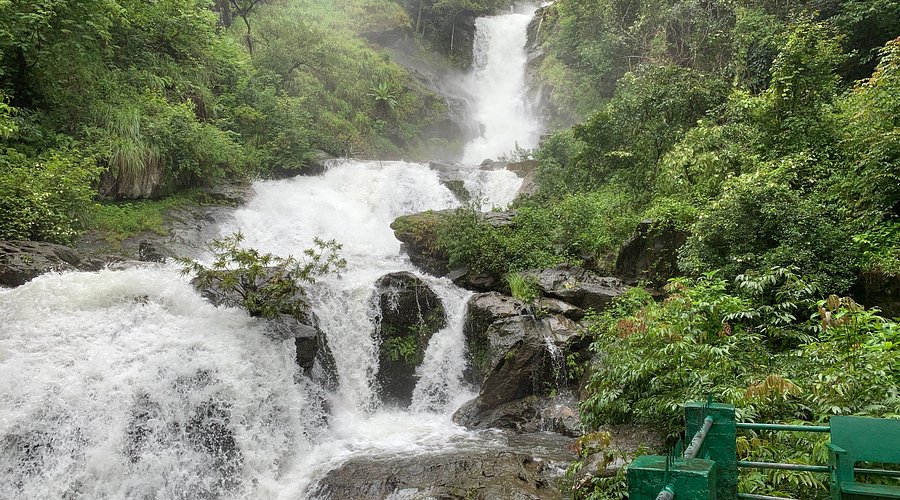
June marks the awakening of Coorg’s waterfall network. Abbey Falls, Iruppu Falls, Chelavara Falls, and dozens of unnamed seasonal cascades come to life. They are spectacular in June, though some access roads may be slippery or partially closed. Always verify conditions locally before attempting waterfall visits in this period.
Travel Tips
Pack waterproof clothing and footwear. Leeches are common on forested trails during the monsoon; tuck trousers into socks. Choose accommodation wisely—a plantation stay with covered verandahs and good drainage makes a major difference in monsoon comfort. Avoid hillside roads during or immediately after heavy downpours.
Who Should Visit?
Nature enthusiasts who find rain-soaked forests appealing, solo travellers seeking solitude, budget travellers, and those looking for a dramatically different experience of Coorg.
Coorg in July
Peak Monsoon Experience
July is the deepest point of the monsoon. Rainfall peaks, often running continuously for days without significant breaks. This is the most intense period in Coorg’s weather cycle, and many of the region’s main tourist attractions are either inaccessible or significantly harder to enjoy.
Weather
Temperatures hover between 17–24°C throughout the day—cool by Indian summer standards but damp. The distinction between day and night temperatures narrows. Fog is common in the mornings.
Safety Tips
- Avoid trekking in forested areas, as leeches are abundant and trails become slippery
- Check road conditions before travelling; some routes through the Ghats may experience landslides
- Waterfalls should be viewed from designated safe viewpoints only—water levels are dangerously high
- Do not attempt to cross swollen rivers or streams on foot
Activities
- Staying in and enjoying the plantation experience from covered outdoor spaces
- Reading, relaxation, and cuisine—a popular reason many choose monsoon stays
- Short drives to viewpoints when weather permits
- Photography of mist and rain landscapes
Who Should Visit?
Travellers specifically seeking a slow, immersive stay with minimal activities. July is not suitable for those who want to cover sightseeing checklist items or families with very young children who need space to move around outdoors.
Coorg in August
Monsoon Landscapes
August continues the peak monsoon but often features a few clearer days than July, particularly in the second half of the month. The coffee estates are at their richest green, and the entire hillside landscape of Coorg is vibrant and photogenic when the clouds part.
Weather
Similar to July—temperatures between 17–24°C, heavy rainfall, high humidity. Some years see a brief mid-August dry spell that lifts the mood considerably.
Activities
- Plantation photography when weather permits
- Local Kodava cultural events—the Kailpodh festival, a traditional harvest celebration, falls in August
- Coorg cuisine exploration through homestays
- Comfortable indoor activities at well-appointed plantation stays
Travel Tips
August is one of the cheapest months to stay in Coorg. Rates at many properties drop by 30–50% compared to the peak season. If you can tolerate the rain, the savings are significant.
Who Should Visit?
Budget travellers, culture enthusiasts interested in Kodava traditions, travellers who have already visited Coorg during dry months and want to experience it through the monsoon.
Coorg in September
Monsoon Transition
September is a transitional month. In the early weeks, the monsoon still has force, but by late September, the rains begin to ease. The landscape is at its absolute greenest—an accumulation of four months of heavy rainfall making every surface lush. The waterfalls are still magnificent, yet they begin to become safely accessible again.
Weather
Temperatures: 17–26°C. Rainfall is high in early September and moderate by month’s end. Occasional clear days begin to appear, offering spectacular views of mist-covered valleys.
Activities
- Waterfall visits from mid-September as conditions improve
- Early trekking season resumes cautiously—check trail conditions
- Nagarhole National Park begins to reopen—check operating dates which can vary by year
- Photography of the transition landscape
Travel Tips
September is excellent for those who want monsoon greenery without peak monsoon inconvenience. Accommodation rates are still in the off-season range. The last week of September and early October is a sweet spot that experienced Coorg visitors often cite as a hidden gem of the travel calendar.
Who Should Visit?
Nature photographers, returning visitors who know Coorg well, travellers who want lushness with more mobility than July or August offers.
Coorg in October
Post-Monsoon Freshness
October is when Coorg begins its gradual return to mainstream tourism. The rains have largely receded, leaving behind an extraordinary landscape: intensely green estates, crystal-clear streams, full waterfalls, and clean air. For many who have visited Coorg at various times of year, October stands out as unexpectedly beautiful.
Weather
Temperatures: 16–28°C. Occasional light showers may occur, especially in early October, but these are brief. Afternoons are warm and pleasant. Humidity begins to drop from the monsoon highs.
Activities
- Waterfall visits—Abbey Falls, Iruppu, and Chelavara are at full capacity but accessible
- Trekking resumes in earnest—Tadiandamol trail is open and spectacularly green
- Wildlife: Nagarhole sees increased activity as animals emerge after the monsoon
- Coffee harvest begins—estates start turning red with ripe coffee berries
- Bird watching—resident and early migratory species
Travel Tips
Carry a light rain jacket for the first two weeks. Accommodation prices are in the pre-season range—lower than November/December but facilities are fully operational. This is a strong value-to-experience month.
Who Should Visit?
Nature lovers, photographers, trekkers, birdwatchers, and returning visitors who want to see Coorg at its most lush without the constraints of the monsoon.
Coorg in November
The Golden Shoulder Season
November occupies an ideal position on the Coorg calendar. The post-monsoon landscape is still extraordinarily fresh, the weather is comfortable, and the peak-season crowds have not yet fully arrived. It is widely regarded as one of the best months to visit—a genuine sweet spot.
Weather
Temperatures: 13–26°C. Clear skies dominate, with very little rainfall. Mornings become noticeably cooler through the month, and by late November the first hints of winter fog appear over the estates.
Activities
- All outdoor activities fully accessible and enjoyable
- Coffee harvest in full swing—many estates offer harvest participation experiences
- Trekking in ideal conditions
- Couples and honeymooners: plantation stays are at their most atmospheric in November
- Photography: a combination of green landscapes, autumn light, and clear skies
Travel Tips
Book accommodation in advance for the last week of November onward, as the holiday booking season begins to fill properties. Mid-November offers particularly good rates and conditions.
Who Should Visit?
All traveller types. November is possibly the most universally recommended month for first-time visitors to Coorg who want to experience the best the destination has to offer.
Coorg in December
Winter Atmosphere
December is Coorg’s most popular and most atmospheric month. The mist-draped mornings, crisp cool air, festive energy, and stunning landscape combine to create the experience most associated with Coorg as a destination. It also means the highest visitor numbers and prices of the year.
Holiday Season Travel
The Christmas and New Year window (roughly 20 December to 3 January) sees very high occupancy across all accommodation categories. Plantation stays in particular are booked months in advance. If travelling in this window without a reservation, options will be limited and expensive.
Weather
Temperatures: 8–22°C. Mornings can be cold at higher elevations. Afternoon skies are typically clear and sunny. Fog is common in valleys and around estates in the early morning.
Activities
- Sunrise photography from Raja’s Seat and Mandalpatti
- Plantation walks in the morning mist
- Coffee estate tours during the last stages of the harvest
- Dubare Elephant Camp and morning elephant bathing experience
- Trekking in excellent cool conditions
- Cultural visits to Madikeri for the festive market atmosphere
Travel Tips
Book accommodation and any guided experiences at least 4–6 weeks in advance for the Christmas-New Year window. Pack warm layers for mornings and evenings—a light down jacket or thermal layer is recommended at higher elevations. Expect heavier road traffic on weekends throughout December.
Who Should Visit?
Families, honeymooners, couples, first-time visitors. December is the quintessential Coorg experience, but it requires the most forward planning of any month.
Month-by-Month Weather Comparison Table
| Month | Temperature | Rainfall | Crowd Level | Best For |
|---|---|---|---|---|
| January | 10–24°C | Low | High | Families, Couples, Road Trips |
| February | 12–26°C | Low | Moderate-High | Honeymooners, Sightseeing |
| March | 15–30°C | Very Low | Moderate | Budget Travel, Trekking |
| April | 17–32°C | Low | Low | Budget Travel, Quiet Stays |
| May | 18–33°C | Low-Moderate | Low-Moderate | Pre-Monsoon, Families |
| June | 18–25°C | Very High | Low | Monsoon Lovers, Budget |
| July | 17–24°C | Very High | Very Low | Solitude, Budget |
| August | 17–24°C | Very High | Very Low | Culture, Budget |
| September | 17–26°C | High | Low | Photography, Transition |
| October | 16–28°C | Moderate | Moderate | Nature, Trekking, All |
| November | 13–26°C | Low | Moderate-High | All Travellers |
| December | 8–22°C | Very Low | Very High | Families, Honeymooners |
Best Time to Visit Coorg Based on Travel Style
Families
The ideal window for families is October through February. December and January offer stable, cool weather, fully operational attractions, and the energy that comes with being in a popular destination. For families with very young children, the predictability of January and February is especially valuable. October and November are excellent for families who prefer a quieter trip with lower accommodation costs and equally beautiful landscapes.
Couples
November to February covers the most romantic period. The coffee estate mornings in November, crisp December evenings, and the blossoming season in February each have their own distinct character. Couples who want a full plantation experience—including harvest participation—should target October to November specifically. The monsoon period (June to August) surprisingly appeals to some couples who enjoy the intimacy of a quiet, rainy retreat at a well-chosen plantation stay.
Honeymooners
November and December are the top honeymoon months. The combination of mist, cool air, lush greenery, and the ambience of a quality plantation stay creates an experience that is difficult to match elsewhere in South India. February is the second-best choice, particularly for the coffee blossom season and Valentine’s period atmosphere.
Solo Travelers
Solo travellers have more flexibility and often gravitate toward the shoulder seasons. October and November offer the best balance of conditions and social atmosphere at guesthouses and homestays. Budget solo travellers may find June to August ideal for exploring Coorg with minimal spending and maximum solitude.
Senior Travelers
January and February are the most suitable months for senior travellers. Roads are dry, temperatures are moderate without being extreme, and accessibility to most attractions is at its best. The mild afternoon warmth is preferable to the cold mornings of early December. Avoiding the monsoon entirely is strongly recommended for seniors due to slippery conditions.
Nature Lovers
October and November sit above all other months for nature enthusiasts. The post-monsoon landscape is extraordinary, wildlife is active, birds are abundant, and every trail and forest is at peak vitality. Serious birdwatchers may also find February and March productive for resident species.
Photographers
This depends on what you want to photograph. For misty plantation mornings and winter light: December to February. For full waterfalls with green backdrops: October. For dramatic monsoon cloud formations and dripping forest: June to September. Coorg rewards photographers in every season, but with very different subjects.
Adventure Travelers
Trekkers and adventure travellers have the widest options from October through March. October and November are particularly strong for trekking, with lush trails and comfortable temperatures. White water rafting on the Barapole River is best in the post-monsoon season (November to January) when flows are controlled and safe.
What to Pack for Coorg Throughout the Year
Summer Packing List
- Lightweight breathable clothing
- Sunscreen (SPF 30+) and sunglasses
- Comfortable walking shoes or trail footwear
- Light rain jacket for occasional pre-monsoon showers (April-May)
- A hat for afternoon sun
- Insect repellent for forest walks
Monsoon Packing List
- Quality waterproof rain jacket or poncho
- Waterproof footwear or rubber-soled trail shoes
- Quick-dry clothing in synthetic fabrics
- Leech socks or the ability to tuck trousers into socks
- Waterproof bag cover or dry bags for electronics
- Strong insect repellent
- Torch or headlamp for power-cut evenings
Winter Packing List
- Warm layers: fleece jacket, light down jacket, or thermal inner wear
- Warm socks and closed footwear for the mornings
- Comfortable walking shoes for plantation and trail walks
- Light cotton clothes for warm afternoons
- Camera and accessories—this is the season for photography
- A light rain jacket as a precaution
Common Mistakes Travelers Make
Choosing the Wrong Season
The most common mistake is assuming that peak season (December-January) is the only good time to visit. October, November, and February are excellent months that are frequently overlooked. Conversely, those hoping for sightseeing trips in July are often disappointed by the constraints the peak monsoon imposes.
Underestimating Monsoon Conditions
The monsoon in Coorg is not gentle. It is one of the heaviest rainfall regions in India. Visitors who arrive in June or July expecting light tropical rain are often unprepared for the persistence and volume of rainfall, the leeches on trails, and the limited outdoor mobility. The monsoon experience can be wonderful, but only if you approach it with accurate expectations.
Not Packing Properly
Arriving in December without warm clothing is a common error for visitors from warmer cities. The 8–10°C mornings at elevation feel significantly colder than many domestic travellers anticipate. Similarly, arriving in June with cotton clothes and no waterproofing makes even the walk between buildings uncomfortable.
Ignoring Crowd Levels
The last week of December and the first week of January see very high tourist volumes in Coorg. Traffic on key roads can slow significantly, and popular viewpoints are crowded in the early mornings. If visiting during this window, start your sightseeing before 7am to beat the crowds, and plan for traffic when scheduling day trips.
Where to Stay in Coorg Throughout the Year
Plantation Stays
Plantation stays are the defining accommodation experience in Coorg, and their appeal shifts meaningfully through the year. In October and November, the estates are carpeted with ripening coffee berries and the air carries the fresh post-rain scent. In December and January, misty mornings create an almost magical atmosphere around the estate buildings. In February, the coffee blossoms transform these same estates into fragrant white-flower landscapes. Properties like Inika Resorts, set within working plantation land, offer a perspective on Coorg that changes with every season—visitors returning at different times of year consistently report discovering what feels like an entirely different destination from the same base. The monsoon months bring a particular kind of romance to plantation stays: sitting on a covered verandah watching the rain move through the estate is one of Coorg’s most memorable experiences.
Family-Friendly Accommodation
Families should look for properties with good in-room facilities, covered outdoor spaces, and access to the estate grounds for children to explore safely. Resorts with structured activities and proximity to key sightseeing routes—such as the Kushalnagar-Madikeri corridor—work well for families who want to combine relaxation with exploration. October to February is when family-oriented properties are most fully operational with their activity programmes.
Couple-Friendly Accommodation
Privacy, ambience, and setting matter most for couples. Plantation stays with standalone cottages or villas surrounded by estate land tend to score highest. The morning experience—waking to plantation views, having breakfast in a quiet outdoor setting—is the core appeal. This works best from October through February, when the weather supports extended time outdoors.
Conclusion
Coorg rewards travellers in every season, but the experience it offers differs substantially depending on when you arrive. For most first-time visitors, November to February represents the optimal window: comfortable weather, accessible attractions, and the landscape at its most photogenic. For those returning to Coorg or looking for something beyond the standard travel season, October is a revelation, and the monsoon months carry a distinctive appeal for those who embrace them on their own terms.
Families with young children are best served by December to February when outdoor activities are most reliably enjoyable. Honeymooners should target November and December for the full plantation atmosphere. Budget travellers will find the best value in June through September, accepting the trade-off of rain for significantly lower costs. Nature lovers and photographers will find October and November the most rewarding.
Whatever month you choose, Coorg’s fundamental appeal—its coffee-scented air, forested hills, and the unhurried pace of plantation life—remains constant. The season simply determines which version of that experience you encounter.
Frequently Asked Questions
1. What is the best time to visit Coorg overall?
October to February offers the most broadly comfortable conditions. November and December are widely considered the peak of the season for a reason: weather, landscape, and activities all align. However, October is an underrated alternative with fewer crowds and excellent post-monsoon scenery.
2. What is the cheapest month to visit Coorg?
June, July, and August are the cheapest months, with accommodation rates often 30–50% lower than peak season. April is also an affordable option for those who prefer dry weather. Budget travellers who can handle the monsoon will find the best deals in July.
3. Is the monsoon season a good time to visit Coorg?
It depends entirely on your expectations. The monsoon transforms Coorg into an intensely lush, dramatic landscape. Waterfalls are spectacular, the greenery is unmatched, and the atmosphere at a good plantation stay is genuinely special. However, outdoor mobility is limited, trekking is largely not recommended, and rain is persistent and heavy. Approach the monsoon as a relaxation and nature photography trip rather than a sightseeing tour.
4. When is the best time for a honeymoon in Coorg?
November and December are ideal. The combination of cool weather, misty mornings, and the intimacy of a plantation stay creates a setting that many couples find exceptional. February is also popular for honeymooners seeking the coffee blossom season experience.
5. Is Coorg good for a family vacation, and when should families visit?
Coorg is an excellent family destination. The best months are October through February, with December and January being the most popular for families. The weather is comfortable for children, attractions are fully accessible, and many plantation stays offer family-friendly programmes.
6. What is the weather like in Coorg during winter?
Winter (December to February) brings cool to cold mornings (8–15°C depending on elevation), warm pleasant afternoons (20–26°C), and clear skies. It is the most comfortable season weather-wise for most travellers, though mornings at higher elevations can feel surprisingly cold for visitors from warmer cities.
7. Is Coorg crowded during the holiday season?
Yes. The Christmas-New Year window (roughly 20 December to 5 January) sees the highest tourist volumes of the year. Popular viewpoints and attractions become crowded, and accommodation fills well in advance. Travelling in early December or mid-January gives similar weather with significantly fewer crowds.
8. Can you visit Coorg in the monsoon without issues?
You can visit comfortably if you stay at a well-equipped plantation or resort, carry proper waterproofing, and set realistic expectations for limited outdoor movement. Avoid attempting difficult trails, do not cross swollen streams, and check road conditions before any driving through ghat routes. With those precautions in place, the monsoon is genuinely enjoyable.
9. Which months have the lowest hotel prices in Coorg?
June, July, and August consistently have the lowest rates. April and May are also cheaper than the peak season, with the added benefit of dry weather in April. Late September and early October are transitional months where post-monsoon beauty combines with pre-season pricing—an overlooked window for savvy travellers.
10. What is the weather like in Coorg in October and November?
October starts with occasional light showers and ends dry. Temperatures are comfortable (16–28°C), the landscape is extraordinarily lush from the monsoon, and waterfalls are at peak capacity. November is one of the driest and most pleasant months, with temperatures between 13–26°C, clear skies, and the beginning of the coffee harvest season. Both months are among the best in the Coorg calendar.