





Brief Overview of Coorg (Kodagu District in Karnataka)
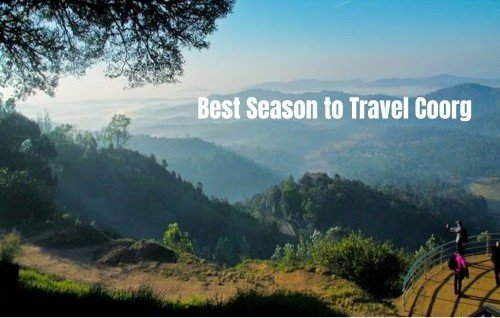
Coorg, officially known as Kodagu, is a beautiful hill district located in the state of Karnataka in southern India. Tucked away in the Western Ghats, this region is famous for its rolling hills, lush greenery, mist-covered landscapes, and endless coffee plantations. The cool climate and peaceful surroundings make it a favorite destination for nature lovers, honeymooners, families, and adventure seekers alike.
Unlike crowded city destinations, Coorg offers a refreshing escape where you can wake up to the aroma of fresh coffee, listen to birdsong, and enjoy breathtaking views of valleys and waterfalls. It is also home to rich wildlife, flowing rivers like the Cauvery, and charming villages that reflect the unique culture of the Kodava community. Whether you are interested in trekking, sightseeing, plantation stays, or simply relaxing in nature, Coorg has something special to offer.
Why Coorg is Called the “Scotland of India”
Coorg is often called the “Scotland of India” because of its scenic beauty and cool, misty climate that resemble the landscapes of Scotland. The region is filled with green hills, dense forests, and cloudy skies, especially during the monsoon and winter seasons. The gentle slopes, flowing streams, and peaceful countryside create a European-like charm that attracts travelers throughout the year.
The comparison is not just about appearance. The pleasant weather, fresh air, and calm atmosphere give visitors a similar feeling of tranquility that one might experience in the Scottish Highlands. This nickname has become popular among tourists and travel writers, making Coorg one of the most romantic and picturesque hill stations in India.
Importance of Choosing the Right Season
While Coorg is beautiful all year round, choosing the right season can greatly enhance your experience. Each season offers something different. Summer brings comfortable weather and clear skies, perfect for sightseeing and outdoor activities. The monsoon transforms the region into a lush green paradise with roaring waterfalls, ideal for nature photography. Winter, on the other hand, offers cool and misty mornings that are perfect for cozy stays and peaceful retreats.
Understanding the seasonal differences helps travelers plan better, whether they prefer adventure, relaxation, or simply enjoying the scenic beauty.
What You Will Learn in This Guide
In this guide, you will discover the best time to visit Coorg based on weather, activities, and travel preferences. You will learn about seasonal highlights, travel tips, and how to make the most of your trip. By the end, you will be able to confidently plan a memorable and well-timed Coorg getaway.
Overview of Coorg’s Climate
Geographic Location in Karnataka
Coorg, officially known as Kodagu, is a scenic district located in the southwestern part of Karnataka. Tucked away near the Karnataka–Kerala border, it feels like a peaceful world of its own. Surrounded by lush hills, dense forests, and coffee plantations, Coorg’s location plays a major role in shaping its pleasant climate. Unlike the hotter plains of Karnataka, Coorg enjoys cooler and fresher weather throughout much of the year.
Because it lies within the Western Ghats region, the district benefits from a natural shield of hills and greenery. This setting not only enhances its beauty but also keeps temperatures relatively moderate. The region’s landscape allows cool breezes to flow through the valleys, making it a refreshing escape from busy city life. Travelers from nearby cities like Bengaluru often visit Coorg precisely because of its comfortable and soothing weather conditions.
Elevation and Western Ghats Influence
One of the most important factors behind Coorg’s climate is its elevation. Most parts of Coorg sit at an average height of around 900 to 1,700 meters above sea level. This higher altitude naturally results in cooler temperatures compared to low-lying areas. As you move to higher points like hilltops and viewpoints, the air feels crisper and more refreshing.
The presence of the Western Ghats further strengthens this effect. The Western Ghats are known for influencing weather patterns across southern India, and Coorg benefits greatly from this. These mountain ranges trap moisture-laden winds, which leads to frequent rainfall and lush greenery. The thick forests and plantations also help maintain humidity and reduce extreme heat, giving Coorg its signature cool and misty atmosphere.
General Temperature Range Throughout the Year
Coorg generally enjoys a mild and pleasant climate for most of the year. During the summer months (March to May), temperatures usually range between 20°C and 35°C. Even at its warmest, the weather rarely feels unbearable because of the region’s elevation and greenery.
In winter (November to February), temperatures can drop to around 10°C to 15°C, especially during early mornings and late evenings. Days remain comfortably cool, making it an ideal time for sightseeing and outdoor activities. The monsoon season (June to September) brings slightly lower daytime temperatures due to cloud cover and rain. Overall, Coorg avoids extreme heat and harsh cold, which makes it a year-round destination.
Rainfall Patterns
Rainfall is a defining feature of Coorg’s climate. The region receives heavy rainfall during the southwest monsoon, typically between June and September. The Western Ghats play a key role in attracting and holding rain-bearing clouds, resulting in consistent and sometimes intense showers.
These rains transform Coorg into a lush green paradise, with flowing waterfalls and mist-covered hills. However, heavy rains can sometimes limit outdoor travel plans. Post-monsoon months bring clearer skies and fresh surroundings, offering the best balance between greenery and pleasant weather.
Coorg in Winter (October to February) – The Most Recommended Season
Weather Conditions
Winter is widely considered the most pleasant time to visit Coorg. From October to February, the region enjoys a cool and refreshing climate that makes exploring comfortable throughout the day. The temperature usually ranges between 10°C and 25°C, offering crisp mornings, bright afternoons, and slightly chilly evenings.
Early mornings often begin with a gentle mist floating over the coffee plantations, creating a peaceful and dreamy atmosphere. As the day progresses, the skies are generally clear, allowing visitors to enjoy uninterrupted views of rolling hills and lush green valleys. The evenings can feel cool, so carrying a light jacket or sweater is a good idea. Overall, the winter weather feels balanced — not too cold and not too warm — making it perfect for outdoor exploration without discomfort.
Why Winter is the Best Time to Visit
Winter stands out as the best season to experience Coorg at its finest. The pleasant climate makes sightseeing enjoyable without the heat or heavy rainfall that other seasons may bring. You can comfortably spend long hours exploring viewpoints, waterfalls, and local attractions without feeling tired due to harsh weather.
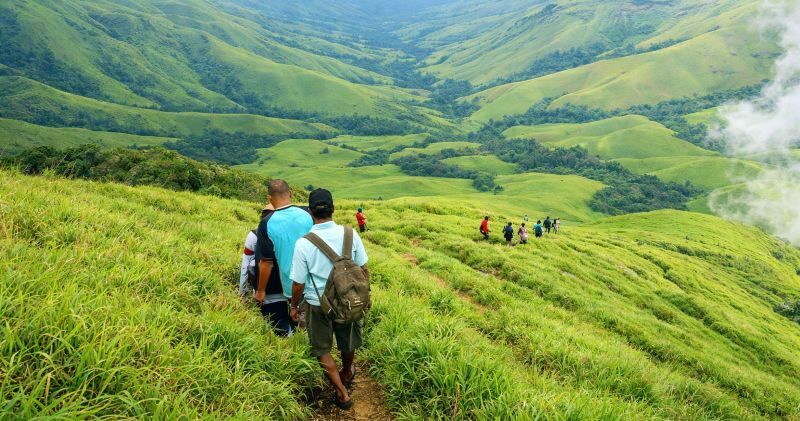
This season is also perfect for trekking and other outdoor activities. Trails are easier to navigate, and the cool air makes uphill walks much more enjoyable. Adventure lovers can explore hills, nature paths, and forest routes without worrying about slippery conditions.
Clear skies during winter enhance the scenic beauty of Coorg. The landscapes look vibrant, the valleys appear greener, and the panoramic views from hilltops are truly breathtaking. Photography enthusiasts especially appreciate this season, as the lighting and visibility are ideal for capturing stunning shots of nature.
Popular Attractions to Visit in Winter
Some of Coorg’s most famous attractions are best experienced during winter. Abbey Falls flows beautifully after the monsoon season, and the surrounding greenery looks fresh and vibrant. The cool breeze near the waterfall adds to the charm of the visit.
Raja’s Seat is another must-visit spot, especially in the evening. Watching the sunset from here during winter feels magical, with clear skies painting the horizon in soft colors.
For breathtaking hilltop views, Mandalpatti offers wide panoramic landscapes that look even more spectacular in winter’s crisp weather.
At Dubare Elephant Camp, visitors can enjoy interacting with elephants and experiencing nature without the discomfort of extreme heat.
Who Should Visit in Winter
Winter in Coorg is ideal for honeymoon couples seeking a romantic and peaceful escape. The misty mornings and cool evenings create a cozy atmosphere perfect for quality time together.
Families also find winter to be the most comfortable season, as children and elders can explore without weather-related discomfort.
First-time travelers will especially appreciate winter, as it allows them to experience Coorg’s beauty in its most pleasant and picture-perfect form.
Coorg in Summer (March to May) – A Pleasant Escape from the Heat
Weather Conditions
Summer in Coorg feels very different from the scorching heat of the plains. While many cities experience rising temperatures, Coorg remains relatively comfortable thanks to its higher altitude and abundant greenery. The temperature usually ranges between 18°C and 34°C, making it warm during the day but pleasantly cool in the mornings and evenings.
Early mornings are fresh and slightly misty, perfect for stepping outside with a cup of locally grown coffee. Afternoons can be sunny, but the surrounding forests and plantations help maintain a soothing atmosphere. Evenings are often breezy, offering relief after a bright day. Compared to the intense summer heat in other parts of South India, Coorg feels calm, refreshing, and inviting.
Why Visit in Summer
One of the biggest reasons to visit Coorg during summer is the lush greenery that still blankets the hills. Coffee plantations, spice gardens, and forested slopes remain vibrant, creating beautiful landscapes wherever you look. The clear skies during this season also mean better visibility for sightseeing and photography.
Summer is an ideal time to explore the region’s famous coffee plantations. Guided tours allow visitors to walk through neatly lined coffee plants, learn about cultivation and processing, and even taste freshly brewed coffee. The pleasant climate makes these outdoor experiences comfortable and enjoyable.
Adventure lovers also find summer appealing, as most activities operate smoothly without heavy rainfall interruptions. With longer daylight hours, you can plan full days of exploration without feeling rushed.
Best Experiences
Plantation walks are among the most relaxing experiences in Coorg during summer. Strolling through shaded estates while learning about coffee and spices creates a peaceful yet informative outing.
River rafting, depending on water levels, can also be a thrilling addition to your trip. It offers the perfect balance of excitement and scenic beauty.
Another highlight is visiting sunrise viewpoints. Waking up early to watch the sun slowly light up the mist-covered hills is truly magical. The clear summer skies often provide stunning panoramic views that are worth the early start.
Suitable For
Summer in Coorg is perfect for nature lovers who want to unwind in a green and peaceful environment. Adventure seekers can enjoy outdoor activities without extreme weather conditions. It’s also an excellent choice for weekend travelers looking for a refreshing short break away from city heat, offering both relaxation and light adventure in one destination.
Coorg in Monsoon (June to September) – For Rain Lovers
Weather Conditions
From June to September, Coorg transforms into a lush green paradise as the monsoon showers arrive in full swing. The region receives heavy rainfall during this period, often with sudden downpours followed by calm, misty intervals. The hills are frequently wrapped in soft layers of fog, creating a dreamy and refreshing atmosphere. The air feels cooler and fresher, carrying the earthy scent of wet soil and forest leaves. Streams overflow, coffee plantations sparkle under raindrops, and the entire landscape looks more alive than ever.
While the rain can be intense at times, it also adds a unique charm that you simply won’t experience in other seasons. If you enjoy watching rain from a cozy balcony with a warm cup of coffee, monsoon in Coorg can feel incredibly comforting.
Why Some Travelers Love Monsoon
For many visitors, this is actually the most magical time to visit. Waterfalls are at their most powerful and spectacular during the monsoon. Popular spots like Abbey Falls and Iruppu Falls roar with full force, offering breathtaking views and amazing photo opportunities.
The mist-covered hills and light drizzles create a naturally romantic setting, making it a favorite season for couples. There’s something special about walking through quiet plantation roads while light rain falls around you.
Another big advantage is fewer crowds. Since many travelers prefer the dry months, monsoon offers a more peaceful and less commercial experience. You can enjoy scenic viewpoints, forest drives, and serene surroundings without the usual rush.
Things to Keep in Mind
Despite its beauty, monsoon travel requires a little preparation. Trekking trails can become slippery and muddy, so proper footwear is essential. Some outdoor activities may be limited or temporarily closed due to heavy rainfall or safety concerns.
Road conditions can also vary during intense rain, so it’s wise to check weather updates and plan flexible schedules. Carrying raincoats, waterproof bags, and extra clothing will make your trip more comfortable.
Ideal For
Monsoon in Coorg is perfect for photographers who want dramatic skies, vibrant greenery, and flowing waterfalls in their frames. Couples looking for a cozy, romantic escape will also find this season deeply charming. Above all, it suits peace seekers — travelers who prefer calm surroundings, nature’s raw beauty, and the soothing sound of rain over busy tourist crowds.
Month-by-Month Travel Breakdown
October–November: Post-Monsoon Freshness
After months of rain, October and November feel like a breath of fresh air. The landscapes are washed clean, the greenery looks vibrant, and waterfalls are often still flowing beautifully. The air carries a pleasant crispness, making outdoor activities more enjoyable. If you love photography or simply want to experience nature at its most refreshed, this is a wonderful time to visit.
The weather during these months is generally comfortable—not too hot and not too cold. Mornings and evenings are cool, while afternoons remain mild enough for sightseeing. It’s an excellent season for nature walks, plantation visits, scenic drives, and relaxed exploration without the heavy tourist rush that comes later in the year.
Another advantage of traveling in October and November is the peaceful atmosphere. Since it falls just before the peak holiday season, you’ll often find fewer crowds at popular attractions. Accommodation options are usually more available, and you may even find better pricing compared to the busy winter months.
Overall, this period offers a perfect balance of pleasant weather, natural beauty, and calm surroundings.
December–January: Peak Pleasant Weather
December and January are considered the most comfortable and popular months to travel. The weather is cool and refreshing, especially in the mornings and evenings, making it ideal for sightseeing and outdoor activities. Clear skies and gentle sunshine create perfect conditions for exploring scenic spots, enjoying viewpoints, or simply relaxing in a cozy setting.
Because the climate is so inviting, this is also the busiest travel season. Many families, couples, and holidaymakers choose these months for vacations. If you enjoy a lively atmosphere with festive vibes, this is a great time to visit. However, it’s wise to book accommodations and travel arrangements well in advance to avoid last-minute stress.
The cool air makes early morning walks especially pleasant, and evenings feel perfect for unwinding. Whether you prefer adventure activities or peaceful relaxation, December and January offer a comfortable environment for both.
In short, if you’re looking for the most balanced and traveler-friendly weather, these two months are hard to beat.
February–March: Transition Period
February and March mark a gentle shift from winter to warmer days. The weather remains mostly pleasant, but you’ll start to notice a slight increase in daytime temperatures. It’s still comfortable for sightseeing, especially in the mornings and late afternoons.
These months are great for travelers who prefer moderate crowds. The peak season begins to slow down, giving you a more relaxed experience at popular spots. The environment remains green and lively, and the overall atmosphere feels calm yet active.
It’s an ideal time for outdoor exploration without the chill of winter or the stronger heat that comes later.
April–May: Warmer but Manageable
April and May bring warmer temperatures, especially during the daytime. While afternoons can feel a bit hot, mornings and evenings remain quite manageable. If you plan your activities smartly—exploring early in the day and resting during peak heat—you can still have a comfortable trip.
These months are often preferred by travelers who want fewer crowds and a quieter experience. Accommodation availability is generally better, and you may find attractive deals. With proper planning, hydration, and light clothing, a summer visit can still be enjoyable.
June–September: Rain-Drenched Beauty
The monsoon months from June to September transform the region into a lush green paradise. Rain showers refresh the landscape, filling rivers and waterfalls while enhancing the overall natural charm. Misty mornings and cloudy skies create a dreamy atmosphere that many travelers find magical.
However, frequent rainfall may disrupt travel plans or outdoor activities. Roads can be slippery, and certain viewpoints may have limited visibility. If you don’t mind occasional showers and prefer dramatic scenery over clear skies, this season offers a unique and romantic experience.
For nature lovers who appreciate rain-soaked landscapes and peaceful surroundings, these months reveal a different, captivating side of the destination.
Best Season Based on Travel Type
Choosing the right season can completely change your travel experience. Whether you’re planning a romantic honeymoon, an action-packed adventure, a budget-friendly getaway, or a relaxed family holiday, timing matters. Here’s a simple guide to help you decide the best season based on your travel style.
For Honeymoon
October to February
If you’re planning a honeymoon, the months from October to February are truly magical. The weather during this period is cool, pleasant, and perfect for spending quality time together. The mornings feel fresh, the afternoons are comfortable, and the evenings are ideal for candlelight dinners or peaceful walks.
This season offers clear skies and beautiful natural views, making it perfect for romantic photos and scenic moments. You can enjoy cozy stays, explore nature without the discomfort of heat, and plan outdoor activities without worrying about sudden rain. The calm atmosphere during these months also adds to the intimate and peaceful vibe couples often look for.
Winter travel also means better sightseeing experiences. You can explore local attractions comfortably, enjoy sunset views, and even relax in charming cafés or resorts without feeling rushed. Overall, this season creates the perfect setting for romance, relaxation, and unforgettable memories together.
For Adventure
October to March
Adventure lovers will find October to March the most exciting time to travel. The weather during these months is comfortable enough for outdoor activities like trekking, hiking, wildlife exploration, or sightseeing tours.
Cool temperatures make long walks and physically demanding activities much easier and more enjoyable. You won’t feel exhausted due to heat, and the clear weather improves visibility for scenic trails and mountain views. This is especially important for activities that require focus and stamina.
Another advantage of this season is safer travel conditions. Roads and pathways are usually in better shape compared to heavy monsoon months, making it easier to explore remote or natural areas. Whether you’re planning a solo adventure or a group trip, this period provides the perfect balance of comfort and excitement.
For Budget Travelers
Monsoon Season
If saving money is your priority, the monsoon season can be a smart choice. During this time, you can often find better deals on accommodations and travel packages, as it is considered the off-season in many places.
While rain showers are common, they also bring a fresh and green landscape. Nature looks vibrant, waterfalls are fuller, and the surroundings feel peaceful and less crowded. For travelers who enjoy quiet environments and don’t mind occasional rain, this can be a refreshing experience.
However, it’s important to plan wisely. Keep flexible schedules, check weather updates, and choose accommodations that offer comfort during rainy days. With proper preparation, monsoon travel can be both affordable and surprisingly beautiful.
For Family Trips
Winter Months
Winter months are ideal for family vacations. The pleasant climate makes it comfortable for both kids and elderly family members to enjoy outdoor activities without feeling too hot or tired.
Families can explore attractions at a relaxed pace, enjoy picnics, take guided tours, or simply spend time outdoors together. The mild weather reduces travel stress and allows everyone to stay energetic throughout the day.
Winter also creates a cozy atmosphere that’s perfect for bonding. Whether it’s sharing warm meals, enjoying evening strolls, or participating in local events, this season makes family trips smooth, enjoyable, and memorable for all age groups.
Travel Tips for Every Season
Clothing Recommendations
Packing smartly can make your trip far more comfortable, no matter the season. If you’re visiting during summer, lightweight cotton clothes are your best friend. Choose breathable fabrics that keep you cool during daytime sightseeing. Don’t forget sunglasses, a wide-brim hat, and sunscreen to protect yourself from the sun. Evenings can sometimes feel breezy, so carrying a light jacket or shawl is a good idea.
During the monsoon season, quick-dry clothing works best. A compact rain jacket or poncho will keep you comfortable during sudden showers. Waterproof footwear with good grip is essential, especially if you plan to explore nature trails or uneven paths. It’s also wise to carry an extra pair of socks and a small towel in your day bag.
If you’re traveling in winter, layering is key. Mornings and nights can be chilly, while afternoons may feel pleasant. Pack sweaters, a medium-weight jacket, and comfortable closed shoes. A scarf and light gloves can add extra warmth without taking up much space in your luggage.
No matter the season, always carry comfortable walking shoes. You’ll likely spend a lot of time exploring, and good footwear can make a big difference in your overall experience.
Best Time for Trekking
The ideal time for trekking largely depends on weather conditions and trail safety. Generally, the post-monsoon months and winter season are considered the best for trekking. During this period, the landscapes are lush and vibrant, the skies are clearer, and the temperatures are pleasant for long walks.
Early mornings are especially rewarding for trekkers. The air feels fresh, and you can enjoy peaceful surroundings before the day gets busier. If you prefer moderate weather without heavy rainfall, plan your trekking activities outside the peak monsoon months. Trails can become slippery and challenging during heavy rains, which may not be suitable for beginners.
For those who enjoy a little adventure and don’t mind cooler temperatures, winter treks offer breathtaking views and a calm atmosphere. Just make sure you’re well-prepared with proper gear and enough water.
Ideal Duration of Stay
To truly enjoy your trip without feeling rushed, plan to stay at least 2 to 3 days. This gives you enough time to explore major attractions, try local cuisine, and relax. If you love nature or trekking, extending your stay to 4 or 5 days allows for a deeper, more immersive experience.
A short one-night visit might cover a few highlights, but it often feels hurried. Spending a few extra days lets you enjoy both adventure and leisure at a comfortable pace.
Local Transport Guidance
Getting around is usually convenient if you plan ahead. Local taxis and auto-rickshaws are commonly available and are ideal for short distances. For more flexibility, you can hire a private cab for a full day. This is especially helpful if you’re visiting multiple attractions spread across different areas.
Public buses are budget-friendly, though they may take longer due to fixed routes and stops. If you enjoy independence, renting a bike or scooter can be a fun way to explore at your own pace.
Always confirm fares in advance and keep small cash handy for local transport. With a little planning, moving around becomes simple and stress-free.
Final Verdict – So, What is the Best Season to Visit Coorg?
If you’re wondering about the absolute best time to plan your trip to Coorg, the clear answer is October to February. These months offer the most comfortable weather, clear skies, and a refreshing atmosphere that allows you to truly enjoy everything this beautiful hill destination has to offer. The air feels crisp, the landscapes look vibrant after the monsoon, and outdoor activities become far more enjoyable. Whether you want to explore coffee plantations, trek through scenic trails, or simply relax amid nature, this season provides the perfect balance.
From October onwards, Coorg starts to look incredibly fresh and green thanks to the recent rains. Waterfalls are still flowing beautifully, forests appear lush, and the cool breeze adds to the charm. Between November and January, the weather becomes pleasantly chilly, especially in the mornings and evenings. It’s the kind of climate that makes sightseeing comfortable and cozy stays even more enjoyable. For couples, families, and nature lovers, this period often feels just right.
That said, every season in Coorg carries its own unique charm.
Summer (March to May) is ideal for travelers who prefer slightly warmer weather but still want to escape the intense heat of the plains. It’s a great time for sightseeing and outdoor exploration without the heavy tourist rush. Monsoon (June to September), on the other hand, transforms Coorg into a misty, magical landscape. The rain enhances the greenery, and the entire region feels peaceful and dramatic. While heavy showers may limit certain activities, this season is perfect for travelers who love quiet surroundings and don’t mind a bit of rain.
Ultimately, the best season to visit Coorg depends on what kind of experience you’re looking for. If you want the most comfortable weather and overall balanced experience, October to February is your safest and most recommended choice. But if you enjoy fewer crowds, dramatic landscapes, or a romantic rainy vibe, the other seasons have their own appeal too.
Choose the time that matches your travel style, and Coorg will reward you with a memorable experience no matter when you visit.
For more detailed travel guides, seasonal updates, and expert tips on planning the Best Season to Travel Coorg, visit our website at [Inika Resorts]. We share helpful insights to make your Coorg trip smooth, memorable, and truly enjoyable.