


Monsoon in Coorg: The Complete Travel Guide
There is a reason seasoned travellers keep returning to Coorg between June and September. While the rest of India chases air-conditioned escapes from the heat, Coorg quietly transforms into one of the most atmospheric landscapes in the country. The southwest monsoon wraps this Western Ghats hill district in moving cloud, fills its rivers and gorges with roaring water, and paints its coffee estates, rice paddies, and forests in shades of green so deep they feel almost unreal. If you have been thinking about visiting Coorg during the monsoon, this guide covers everything you need — the weather, what to see, how to plan, and why the rainy season may be the most rewarding time to experience this corner of Karnataka.
Why the Monsoon Changes Everything in Coorg
Most Indian hill stations look pleasant in the rain. Coorg looks transformed. The difference is the landscape itself — over 30 percent of Kodagu district is forest cover, and much of the remaining land is planted with shade-grown coffee, pepper, and cardamom. When the monsoon arrives, every one of these layers responds. Canopy trees drip and shine, coffee bushes grow dense with fresh leaf, streams appear in places that were dry just weeks ago, and waterfalls that barely trickled in April now thunder down rock faces with enough force to fill the air with spray you can feel from the viewing platform.
The transformation is not just visual. The air changes — cool, clean, and carrying the scent of wet soil, pepper vine, and wild forest. Birdsong grows louder and more varied. Mist sits inside the valleys rather than above them, so you often find yourself walking through cloud rather than looking up at it. For travellers who value atmosphere and sensory richness over predictable blue skies, monsoon Coorg is hard to match.
Coorg Weather During the Monsoon: Month by Month
The monsoon season in Coorg spans roughly June through September, but the experience shifts noticeably from one month to the next.
June brings the first real showers, usually during the first or second week. Temperatures drop quickly from the mid-30s of May to around 21–27°C, and the green transformation begins almost overnight. This is a dramatic month — the arrival itself feels like a spectacle.
July is the wettest month. Madikeri typically records 600–700 mm of rain across 22–24 rainy days, with humidity above 85 percent and only a few hours of direct sunshine on most days. Temperatures settle into a comfortable 19–25°C range. Waterfalls peak, mist is near-constant on the ridges, and the forests are at their most lush. For a detailed breakdown of what to expect this month, the Coorg in July guide covers weather, temperatures, and planning advice in depth.
August continues at a similar rhythm — heavy rain, cool air, and deeply green landscapes. Rainfall is slightly more intermittent than July, with occasional breaks of warm sunshine that create extraordinary photography conditions. Forest trails are at their muddiest, and leeches are most active.
September begins a gradual transition. Rainfall eases during the second half, clear spells grow longer, and temperatures nudge upward toward 27°C on sunny afternoons. The green remains, but the intensity of the monsoon softens. Many experienced travellers consider September the sweet spot — monsoon beauty with fewer disruptions.
Quick Weather Reference
| Month | Temperature | Rainfall | Cloud Cover | Best For |
|---|---|---|---|---|
| June | 21–27°C | Heavy | Frequent overcast | Early monsoon drama, fewer tourists |
| July | 19–25°C | Very heavy | Near-constant overcast | Peak waterfalls, photography |
| August | 20–26°C | Heavy, intermittent | Mostly overcast | Plantation walks, wildlife |
| September | 19–27°C | Moderate, easing | Partly overcast | Balanced monsoon experience |
Waterfalls at Full Force
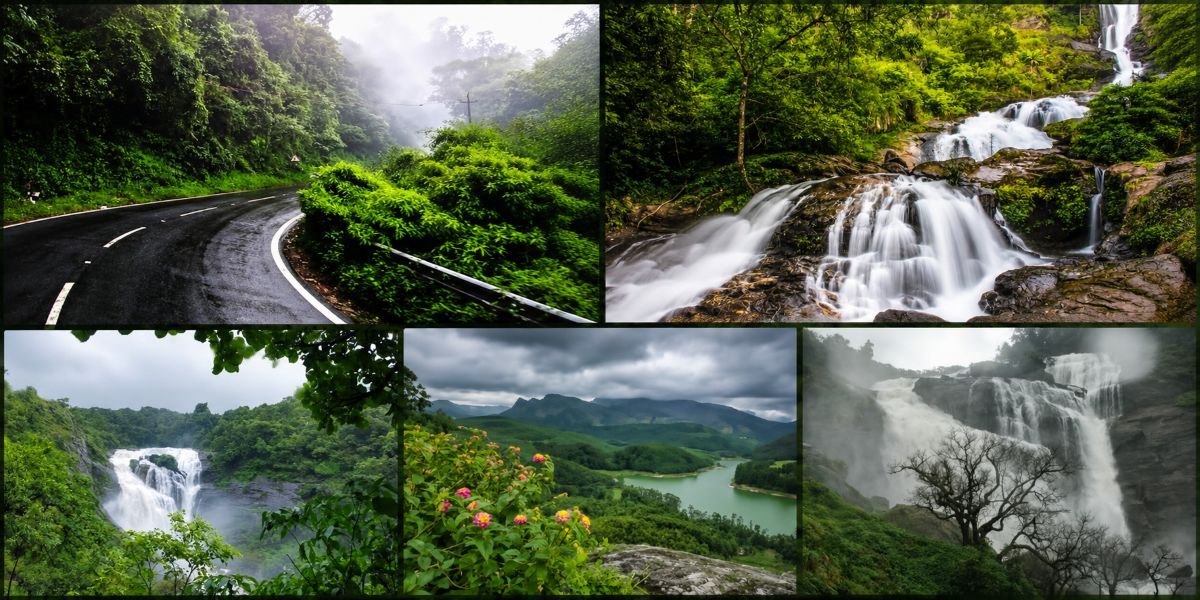
If there is a single headline reason to visit Coorg during the monsoon, it is the waterfalls. The same cascades that look modest in the dry months become genuinely awe-inspiring between July and September.
Abbey Falls, just 7–10 km outside Madikeri, is the most accessible — the River Kaveri plunges about 70 feet into a rocky gorge surrounded by coffee and spice estates, and a hanging bridge provides a mist-drenched viewpoint. Iruppu Falls, roughly 50–80 km from Madikeri in the Brahmagiri Range, drops from about 170 feet and carries both scenic and spiritual significance. Chelavara Falls near Virajpet cascades 150 feet over a distinctive tortoise-shaped rock formation, though direct access to the base is currently restricted for safety. Mallalli Falls, about 25 km from Somwarpet, is a more adventurous visit involving steep steps, but the scale of the Kumaradhara River’s plunge during monsoon is extraordinary.
A word of caution that applies everywhere: monsoon currents are powerful, rocks are dangerously slick, and swimming near the base of any waterfall is genuinely unsafe during this season. Enjoy these from the marked viewpoints and designated trails.
Coffee Plantations in the Rain
Coorg is one of India’s most important coffee-growing regions, and the monsoon is the season that makes it all possible. The rain nourishes arabica and robusta rows, encourages dense new growth, and fills the estates with a richness of colour and fragrance that no other month delivers. Pepper vines climb the shade trees, cardamom grows in damp forest patches, and the canopy drips quietly overhead as you walk.
A post-rain plantation walk is one of the most sensory experiences Coorg offers — soft ground underfoot, the earthy smell of wet coffee leaf and soil, birdsong from the canopy, and green stretching in every direction. The coffee plantations in July article explores this experience in detail, including the arabica-robusta growing cycle, what you will see on the estates, and the wildlife that shelters in the shade-grown canopy during the rains.
Viewpoints, Mist, and the Gamble That Pays Off
Monsoon viewpoints in Coorg are a calculated gamble — you might arrive to a wall of white mist, or the clouds might part and reveal a panorama that takes your breath away. That unpredictability is part of the appeal.
Raja’s Seat in Madikeri offers sweeping valley views when the sky cooperates. Mandalpatti, reached by jeep, is famous for its sea-of-clouds effect on monsoon mornings — when the mist sits below you and the peaks emerge like islands. Talacauvery, the sacred birthplace of the River Kaveri high in the Brahmagiri Hills, provides layered hill views wrapped in monsoon cloud. And the trail toward Tadiandamol, Coorg’s highest peak, passes through grasslands and forests that look cinematic in the rain — though the full summit trek may be restricted during heavy spells.
The strategy is to go early, stay flexible, and treat the mist as part of the view rather than an obstacle to it.
Wildlife and Forest Walks
The rains bring the forests alive. Malabar whistling thrushes, racket-tailed drongos, various species of bulbul and kingfisher, and the occasional flash of a Malabar giant squirrel are all more visible during monsoon. Butterflies emerge in remarkable numbers after morning showers. The forests around Nagarhole National Park and the Brahmagiri Wildlife Sanctuary turn deep green and hum with insect and bird calls.
Short, guided nature trails through coffee estates and surrounding forests are the best way to absorb the season without overcommitting to wet conditions. Plantation walks at your resort, birdwatching from a covered veranda, and scenic drives through mist-covered roads offer excellent wildlife encounters at a comfortable pace.
Getting to Coorg During the Monsoon
Coorg does not have its own airport or major railway station. Most travellers arrive by road — which, during the monsoon, is part of the experience.
From Bengaluru: The most popular route covers approximately 250–270 km via Mysuru on NH275, taking 5–6 hours in dry conditions. Add an extra 30–60 minutes during monsoon for rain-slowed traffic and reduced visibility in the ghat sections.
From Mysuru: About 110–120 km, typically a 2.5–3 hour drive through rolling green countryside — one of the most beautiful monsoon drives in South India.
From Mangalore: Around 135–160 km through the Sampaje Ghat, which can be fog-heavy and winding during the rains. Drive slowly and keep headlights on.
From Kerala: Travellers from Wayanad or Kannur reach South Coorg via Kutta and the Brahmagiri foothills, on narrower roads that pass through forested areas.
Drive cautiously in ghat sections, maintain safe following distances, keep headlights on in fog, carry a full fuel tank, and avoid night driving on unfamiliar hill roads.
What to Pack
Monsoon Coorg demands practical packing rather than heavy luggage. A hooded raincoat or poncho is more useful than an umbrella on windy trails, though carry both. Waterproof shoes with good grip are essential — you will be walking on wet stone, muddy paths, and damp grass. Quick-dry clothing beats heavy cotton. A light fleece or jacket handles the cool evenings. Zip-lock bags protect phones and documents. Insect repellent and anti-leech salt or spray are worth carrying for forest walks. And a power bank is non-negotiable — charging points are not always nearby when you need them.
Things to Do When the Rain Gets Heavy
Some of the best monsoon memories come from the hours between outings. Settle into a plantation café with a hot cup of locally grown arabica. Try Kodava-style pandi curry or kadambuttu at a local restaurant in Madikeri or Virajpet. Play carrom or board games in your resort’s common space. Read a book on a covered veranda while rain falls around you. Take a short scenic drive through misty roads when showers ease.
This kind of unhurried doing-nothing is exactly what monsoon travel in Coorg is designed for. The rain is not a disruption to your holiday — it is the holiday.
Who Should Visit Coorg During the Monsoon?
The monsoon suits couples looking for romance without crowds, photographers chasing moody light and dramatic landscapes, families comfortable with flexible itineraries and indoor-outdoor resort days, and solo travellers looking to reset in a quiet, nature-immersed setting. It is less ideal for travellers who need guaranteed clear skies, long ridge-top treks, or tightly scheduled sightseeing plans.
The honest trade-off: you sacrifice some predictability and gain an extraordinary depth of atmosphere, beauty, and calm that the peak winter season — with its crowds, premium rates, and booked-out resorts — cannot match.
Where to Stay: Why a Plantation Resort Makes the Difference
A monsoon trip to Coorg is shaped as much by where you return to each evening as by what you see during the day. A comfortable, nature-set base turns a rainy afternoon into a highlight rather than a hindrance.
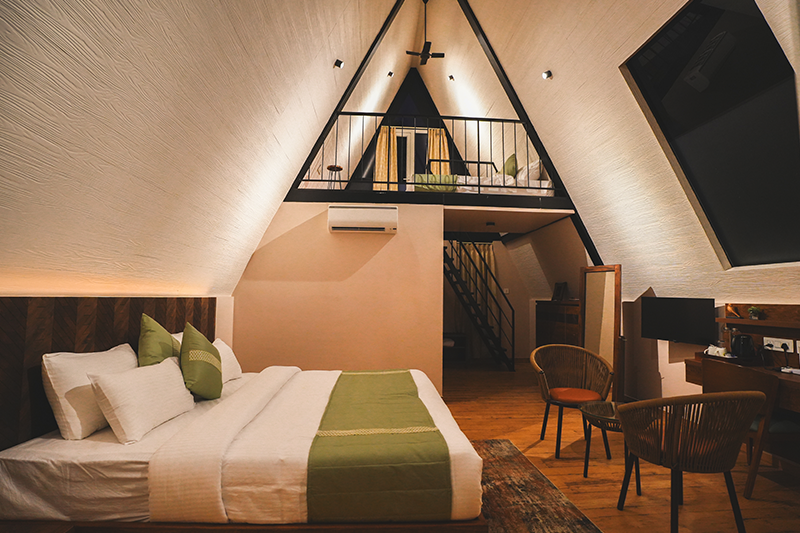
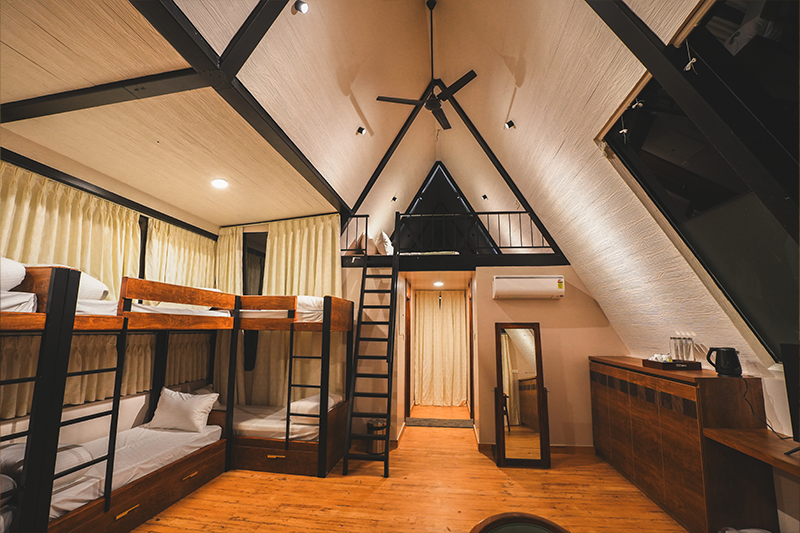
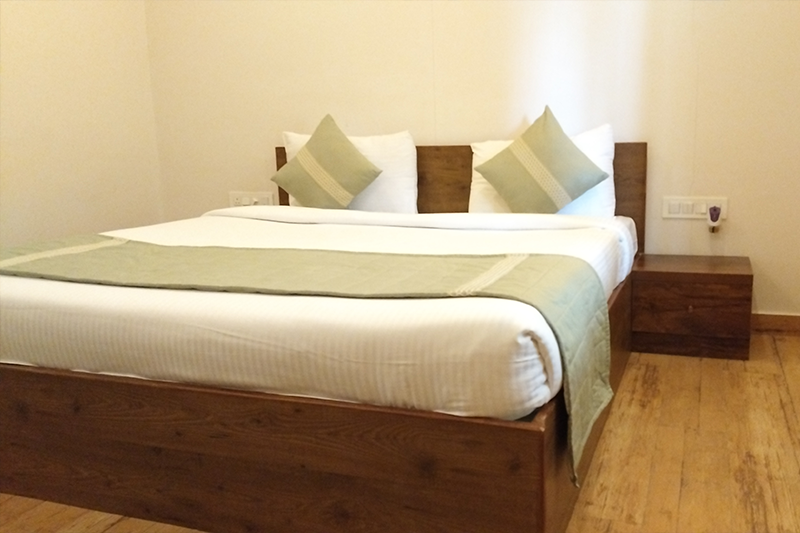
INIKA Resorts, set within coffee plantations in Virajpet in South Coorg, is built for exactly this kind of stay. The cottages — named Jasmine, Hibiscus, and Gulmohar — offer private decks, airy interiors, and views that look directly into the surrounding plantation. An infinity pool overlooks the green landscape, and the atmosphere stays unhurried year-round. The Virajpet location puts you within easy reach of Chelavara Falls, Talacauvery, and the Brahmagiri forests, while keeping you away from the more congested Madikeri tourist circuit.
What makes a plantation resort work during the monsoon is that the experience does not depend on going out. Mornings begin with birdsong and mist drifting through the trees. Guided plantation walks let you understand the coffee growing cycle firsthand. Evenings are quiet, warm, and grounded. For more on why the resort’s monsoon setting stands apart, the why July is one of the most beautiful months to stay at INIKA Resorts article explores the experience in detail.
A Simple 2-Day Monsoon Itinerary
Day One: Arrive and settle in. Take a plantation walk in the late morning. After lunch, drive to Abbey Falls for the full monsoon spectacle. Return via Madikeri Fort and Omkareshwara Temple if the skies cooperate. Quiet evening at the resort — coffee, conversation, and rain.
Day Two: Early morning at Mandalpatti or Raja’s Seat for mist and valley views. Visit Nisargadhama or the Dubare Elephant Camp (subject to river conditions). Afternoon drive through Virajpet’s estate roads or toward Talacauvery if time allows. Depart after an unhurried lunch.
Final Thoughts
The monsoon is not the most popular season to travel to Coorg — and that is precisely what makes it one of the best. Without the crowds, the noise, and the peak-season pricing, what remains is the landscape at its most alive: waterfalls thundering, coffee estates glowing, mist curling through valleys, and air so clean it makes every breath feel deliberate. You trade predictable sunshine for something richer — atmosphere, intimacy, and the kind of quiet that only the rain knows how to create.
For travellers who understand that the best holidays are not always the driest ones, monsoon Coorg is an experience that stays with you long after the green fades.