
Coorg for First-Time Visitors: Everything You Need to Know Before You Go
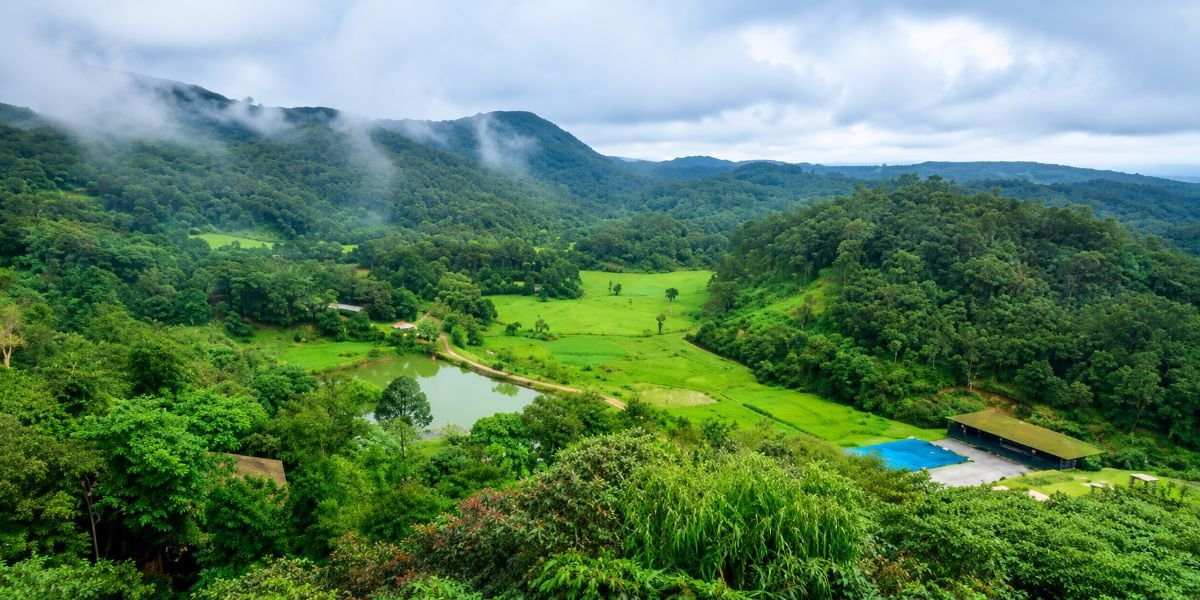
Most people who visit Coorg for the first time say some version of the same thing on the drive in: they did not expect it to be this green. The Western Ghats rolling into Karnataka’s hill district carry a density of forest, plantation, and mist that is genuinely surprising if your only reference point is the South Indian plains. Coorg does not ease you in. It announces itself.
For first-time visitors, that surprise is both the appeal and the challenge. Coorg rewards planning more than most weekend destinations. The weather changes dramatically by season, the distances between attractions are longer than they look on a map, and the experience available to someone staying in a working plantation is fundamentally different from someone staying in a Madikeri guesthouse. Getting these decisions right before you travel shapes the entire trip.
This guide covers everything a first-time visitor needs: when to go, how to get there, what to see, what to pack, how much to budget, and—perhaps most importantly—how to actually experience Coorg rather than simply pass through it.
Where Is Coorg and Why Does Everyone Keep Going Back?
Understanding the Location
Coorg, officially known as Kodagu, is a district in the Western Ghats of Karnataka, sitting at elevations between roughly 900 and 1,700 metres depending on which part of the district you are in. It is approximately 250 kilometres from Bengaluru, 120 kilometres from Mysuru, and about 135 kilometres from Mangaluru. The district capital is Madikeri, which serves as the main commercial and accommodation hub.
The geography creates the climate that makes Coorg what it is. The Western Ghats intercept the Southwest Monsoon with unusual force, making Coorg one of the wettest parts of India during June to September. That same rainfall feeds the estates, waterfalls, and river systems that define the landscape during the rest of the year.
Why Travellers Visit Coorg
At its simplest, people visit Coorg because it is one of the few places in South India where you can walk through a working coffee plantation in the morning, stand at a waterfall in the afternoon, and watch the sun go down over forested hills from an elevated viewpoint in the evening. That combination—plantation life, water, hills—within a compact enough geography to experience in a few days is rare.
For visitors from Bengaluru and other urban centres, there is also the pace. Coorg does not have a lot of high-energy tourism infrastructure. There are no theme parks, no loud evening markets, no aggressive commercial strips near the main attractions. What it has instead is space, quiet, and the unhurried rhythm that comes from being in a place where agriculture and nature are still the dominant forces.
Best Time to Visit Coorg: A Season-by-Season Breakdown
Winter: December to February
This is the most popular time to visit and for good reason. Temperatures drop to 8–12°C in the mornings at higher elevations, afternoons warm to 20–24°C, and the skies are predominantly clear. The mist that settles over the coffee estates in the early morning is one of Coorg’s most photographed scenes, and it happens reliably every day in December and January. Crowds are at their highest during this period, particularly around Christmas and New Year, when advance booking is essential.
Summer: March to May
Temperatures climb but remain moderate—afternoons reach 30–32°C but the altitude moderates the heat compared to the plains. Rainfall is minimal and crowds are lower, making this a strong choice for budget-conscious travellers. The coffee blossoms in late February and early March fill the estates with a jasmine-like fragrance that is one of the more unexpected sensory experiences Coorg offers.
Monsoon: June to September
The monsoon transforms Coorg entirely. Waterfalls appear on every hillside, the forests turn an intense, saturated green, and the estates become lush and dramatic. But the rain is persistent and heavy, outdoor activity is limited, some roads and trails close, and leeches are common on forest paths. The monsoon is a genuine experience for visitors who approach it with accurate expectations and good rain gear. For those who want to cover sightseeing, it is not the right time.
Post-Monsoon: October to November
Many experienced travellers consider this the single best time to visit Coorg. The rains have receded, the landscape is at peak green, waterfalls are still full, the air is clean, and the coffee harvest has begun. Accommodation rates are lower than the December peak. For first-time visitors who have flexibility in their dates, October and November offer a particularly good balance of conditions, experience, and value.
Which Season Is Best for First-Time Visitors?
If you have no flexibility: December or January for reliable weather and the full Coorg experience. If you have flexibility: October or November for the post-monsoon landscape with fewer crowds and better rates.
How Many Days Do You Actually Need?
| Trip Length | What You Can Realistically Cover |
|---|---|
| 1 Day | Madikeri town, Raja’s Seat, Abbey Falls. Surface-level overview only. |
| 2 Days | Above plus Dubare Elephant Camp or Talacauvery. Still rushed. |
| 3 Days | The ideal minimum: sightseeing, plantation experience, one scenic drive. |
| 4+ Days | Full experience including Nagarhole, Mandalpatti, unhurried plantation life. |
Three days is the minimum for a first visit that feels complete rather than rushed. Coorg’s attractions are spread across the district, and the drives between them are part of the experience—but they take time. Trying to compress everything into two days results in long driving days with little time at any one place.
How to Reach Coorg
By Road
Road is the most common and practical way to reach Coorg. The NH 275 from Bengaluru via Mysuru is the best-maintained route and takes approximately 5 to 6 hours. From Mysuru, the drive is around 2.5 hours. From Mangaluru, the route through the Ghats takes about 3 hours and is scenically spectacular, though the ghat section requires careful driving.
By Train and Air
There is no direct train to Coorg. The nearest railway stations are Mysuru (approximately 120 km away) and Mangaluru (approximately 135 km). The nearest airport is Mangaluru International Airport. From either point, road travel into Coorg is necessary. Many visitors from Bengaluru prefer the direct road option over the multi-leg train or flight combination.
Popular Routes
- Bengaluru to Coorg (Madikeri): 250 km via NH 275 through Mysuru, approx. 5–6 hours
- Mysuru to Coorg: 120 km, approx. 2.5 hours via Hunsur
- Mangaluru to Coorg: 135 km, approx. 3 hours via Sampaje Ghat
What to Pack for Coorg
Winter (December–February)
- Warm layers: fleece jacket, light down jacket, or thermal inner wear for mornings
- Closed comfortable shoes for plantation and hill walks
- Light cotton for warm afternoons
- Camera—winter light and mist make this the best photography season
Monsoon (June–September)
- Waterproof rain jacket or poncho—a necessity, not optional
- Waterproof footwear or rubber-soled shoes
- Quick-dry synthetic clothing
- Leech socks or the habit of tucking trousers into socks on any forest trail
- Dry bags or waterproof covers for electronics
Summer (March–May)
- Light breathable clothing
- Sunscreen (SPF 30+) and sunglasses
- Comfortable walking footwear
- Light rain jacket for occasional pre-monsoon showers in May
Top Attractions Every First-Time Visitor Should See
Raja’s Seat
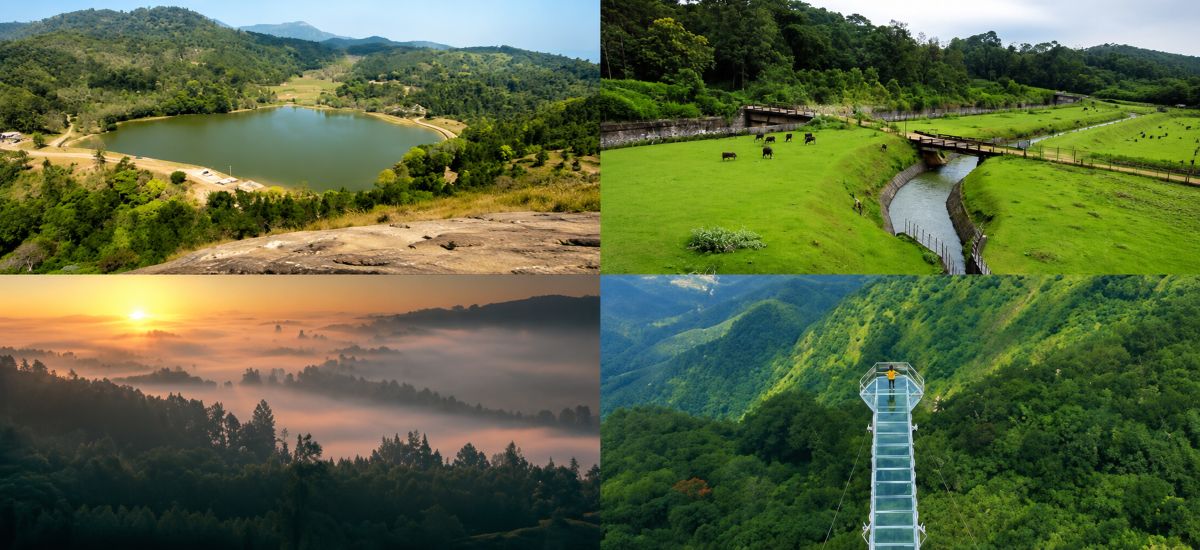
A garden viewpoint in Madikeri that offers expansive views over the valley and surrounding hills. The sunrise experience here—arriving before 6am when the mist is still in the valley—is genuinely memorable. Come early; it crowds significantly by mid-morning.
Abbey Falls
One of Coorg’s most visited waterfalls, set within coffee and spice plantation land about 10 km from Madikeri. The falls are most impressive between October and January when water flow is strong but safe. The walk through the plantation to reach the viewpoint is itself worth the visit.
Madikeri Fort and Omkareshwara Temple
Both are within Madikeri town and can be visited in sequence. The fort is a British-era structure with a museum and good views from the ramparts. The Omkareshwara Temple is architecturally distinctive—an unusual blend of Islamic and Gothic influences built in 1820. Together they take about two hours.
Mandalpatti Viewpoint
One of the more dramatic viewpoints in Coorg, reached by a steep jeep track from Madikeri. On clear mornings, the views across the forested valley and cloud layer are exceptional. Jeep hire is mandatory from the base; the track is not navigable by standard vehicles.
Dubare Elephant Camp
A forest camp on the banks of the Cauvery River where domesticated elephants live and are cared for. The morning interaction session, which includes watching the elephants being bathed and fed, is one of the more distinctive wildlife experiences in the region. Book in advance during peak season.
Talacauvery
The origin point of the Cauvery River, located at a higher elevation near the Kerala border. The drive through the forest to reach it is as worthwhile as the destination. The site has religious significance for the Kodava community and for pilgrims from across South India.
Coffee Plantations
Coorg produces approximately a third of India’s coffee. Walking through a working estate—seeing the plants, understanding the growing and processing cycle, and tasting freshly prepared Coorg coffee—is not a tourist add-on. It is the defining experience of the destination. Many plantation stays, including those that integrate working farms into the guest experience, make this accessible as a morning walk rather than a scheduled tour.
Things to Do in Coorg Beyond the Sightseeing Circuit
First-time visitors tend to focus on the named attractions, which is understandable. But some of the most memorable Coorg experiences are not on any list.
Scenic drives through the estate roads that connect different parts of the district are genuinely beautiful, particularly in the mornings when the light is low and the mist is still burning off. Local food at a small restaurant or homestay—Coorg cuisine is distinctive, built around pork, rice preparations, and locally grown vegetables—tells you something about the culture that a viewpoint cannot. Early morning photography, particularly from an elevated viewpoint or within an estate, has a quality of light that only exists for about an hour each day. If you miss it, it is gone until tomorrow.
Wildlife exploration at Nagarhole National Park, bordering the northwestern edge of Coorg, adds a completely different layer to the trip if your schedule allows for it. The park is one of the better-managed tiger and elephant reserves in South India, and safaris run from early morning and late afternoon.
Understanding Coorg’s Coffee Culture
Coffee is not a backdrop in Coorg—it is the reason the landscape looks the way it does. The estates that cover the hillsides exist because Coorg’s combination of altitude, rainfall, and shade canopy creates near-ideal growing conditions for Arabica and Robusta coffee. The British established commercial cultivation here in the 1840s, and the industry has shaped everything from the economy to the road network to the visual character of the district.
For visitors, this creates a travel experience that is genuinely different from other Indian hill destinations. Walking through a plantation is not walking through a park—it is walking through an active agricultural operation. The seasonal rhythms are visible: blossoming in February and March, green berry development through the monsoon, the harvest beginning in October and running through December and January. Staying in a property that sits within a working estate means the rhythms of plantation life become part of your experience rather than something you observe from a distance.
Coorg Travel Costs: What to Expect
| Category | Budget | Mid-Range | Luxury |
|---|---|---|---|
| Accommodation (per night) | ₹800–1,500 | ₹3,000–6,000 | ₹10,000+ |
| Meals (per day) | ₹400–700 | ₹800–1,500 | ₹2,000+ |
| Local transport | ₹500–1,000/day | ₹1,500–2,500/day (cab) | ₹3,000+ (private cab) |
| Activities | ₹200–500/day | ₹500–1,500/day | ₹2,000+/day |
Overall, a comfortable 3-day trip for two people with mid-range accommodation, meals, and a hired cab for sightseeing typically costs between ₹15,000 and ₹25,000 excluding travel to and from Coorg. Budget travel is very possible but limits accommodation options significantly, particularly in peak season.
Common Mistakes First-Time Visitors Make
Trying to Cover Too Much in Too Little Time
Coorg’s attractions are spread across a large district. The drive from Madikeri to Talacauvery alone takes over an hour. Many first-time visitors build itineraries that look manageable on a map but involve 5–6 hours of driving per day, leaving almost no time at any individual site. Choose fewer places and spend more time at each one.
Ignoring the Weather and Season
Arriving in July hoping to visit waterfalls and trek is a common disappointment. The monsoon closes trails, makes roads hazardous, and limits outdoor mobility significantly. Understand what the season you are visiting in actually allows before building your itinerary.
Skipping the Early Morning
The mist over the estates, the sunrise light at viewpoints, the elephant bathing at Dubare—some of Coorg’s best experiences are early morning experiences that are unavailable or diminished by 9am. Visitors who prioritise late check-outs and slow starts consistently miss the best of what the destination offers.
Staying in Town When a Plantation Stay Is Available
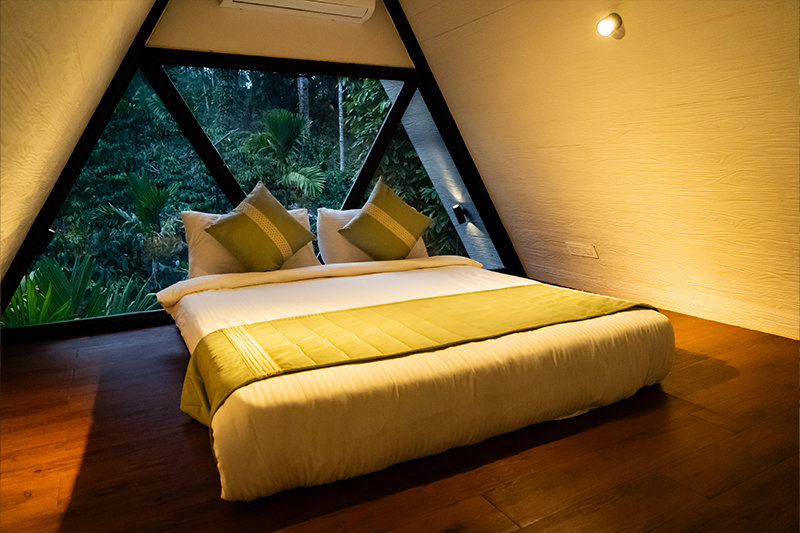
Madikeri has plenty of accommodation, but the town itself is not what people come to Coorg for. A plantation or estate stay places you inside the landscape—walking distance from coffee bushes, surrounded by forest sounds, with morning mist outside your window. The price difference between a mid-range town hotel and a mid-range plantation property is often smaller than visitors expect, and the experience difference is significant.
Safety Tips for First-Time Visitors
- On ghat roads, particularly in monsoon, drive conservatively—hairpin bends on wet roads require low speed and full attention
- During monsoon, do not attempt to cross streams or get close to waterfalls—water levels rise with extreme speed
- On plantation or forest trails, wear closed footwear and check for leeches regularly in wet months
- Let your accommodation know your trekking or day trip plans—mobile signal is inconsistent in forested areas
- For families with young children, identify medical facilities in Madikeri before venturing to more remote areas
Where to Stay in Coorg
Choosing Location: Plantation Stay vs Town
The most important accommodation decision in Coorg is not which property to book but where to be based. Madikeri offers convenience, accessibility, and a range of budget options. A plantation stay outside town places you inside the experience that most people are actually coming to Coorg for.
For first-time visitors who want to genuinely understand what makes Coorg different from other hill destinations, staying within a working estate is the decision that tends to make the trip memorable rather than merely pleasant. The morning walks through the plantation, the sounds at night, the physical sense of being inside a living agricultural landscape—these are not experiences you access from a hotel room in town.
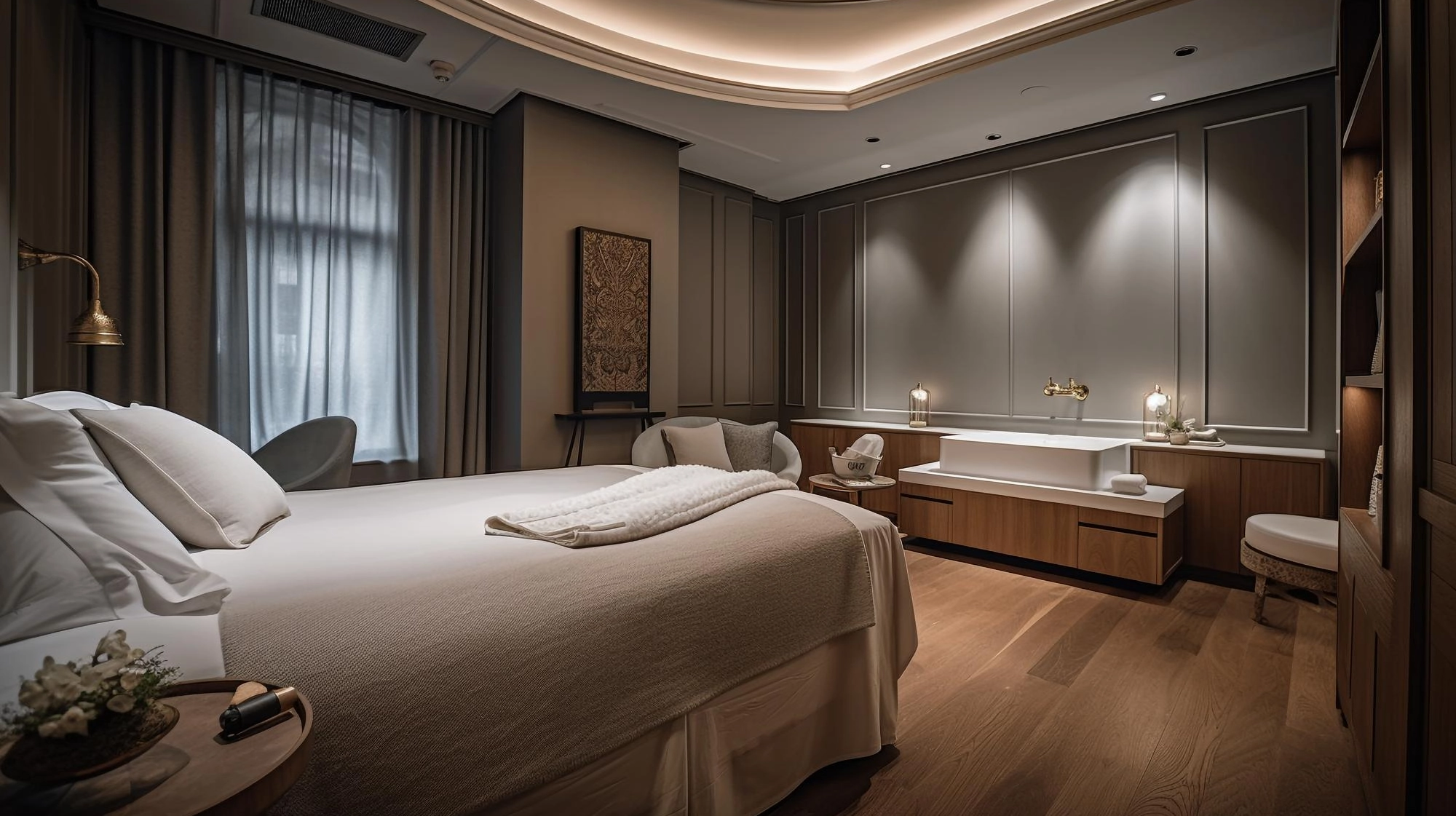
Inika Resorts: Plantation Life Without the Trade-offs
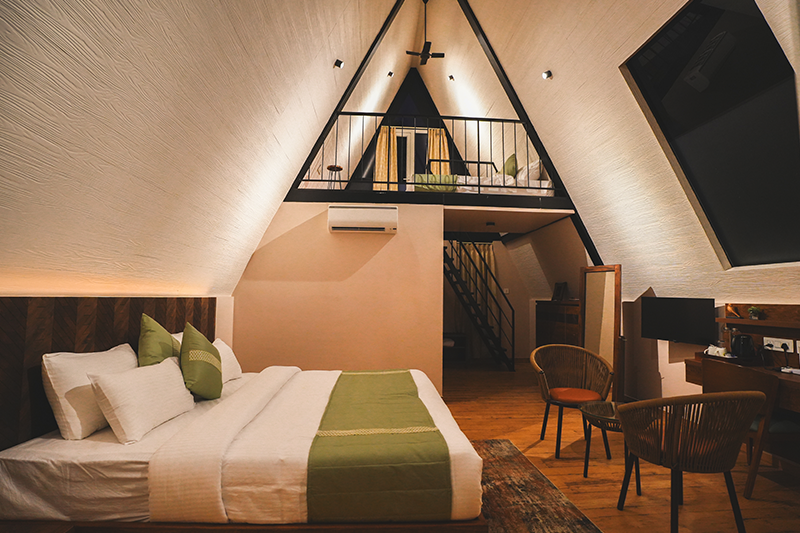
One of the recurring frustrations with plantation stays is that “plantation” often means scenic but remote, with limited facilities. Inika Resorts, set within actual working plantation land in Coorg, is built around removing that trade-off. The property sits inside a genuine coffee and spice estate—guests wake up to plantation views, can walk through the estate in the morning, and experience the rhythms of agricultural life as part of their stay. But the facilities do not ask you to sacrifice comfort for authenticity.
For first-time visitors in particular, this positioning matters. You are not choosing between a comfortable stay and a real Coorg experience. The plantation is the setting, and the property is designed to let you experience it fully: guided estate walks, the ability to understand what you are looking at in the landscape around you, and the particular quality of morning light over a coffee estate that becomes one of those travel memories you keep coming back to.
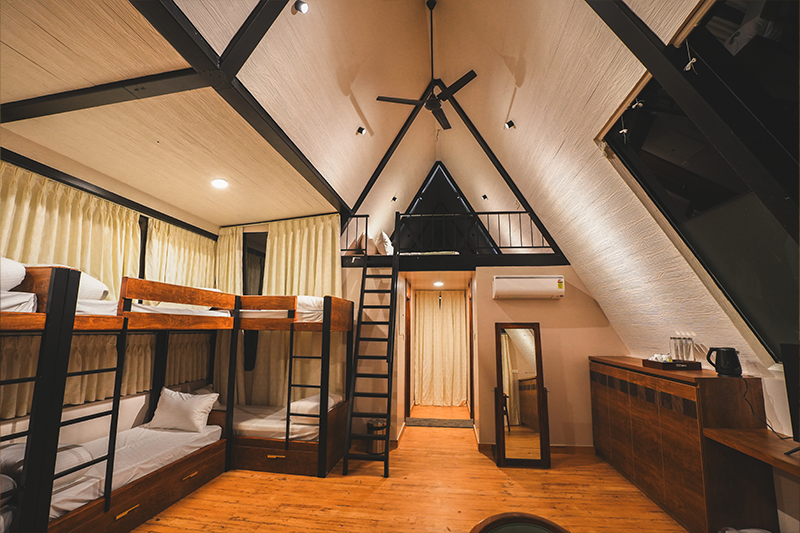
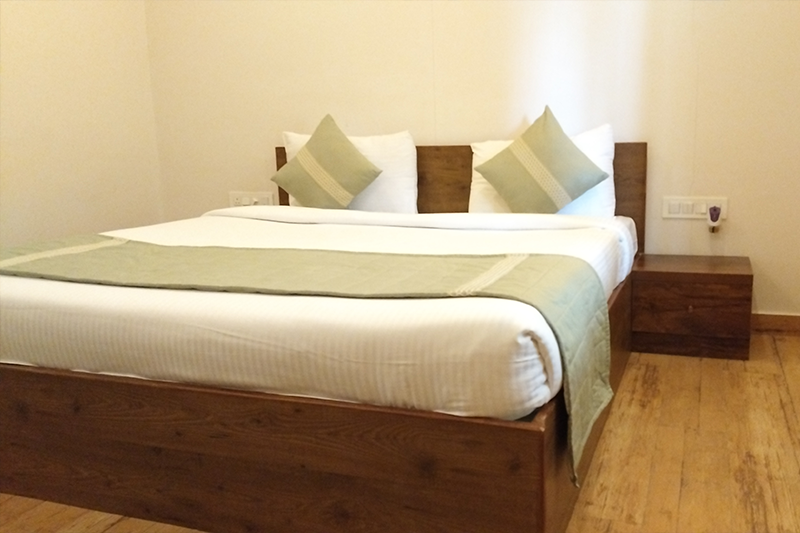
The accommodation also works across traveller types. Families find the estate grounds give children a genuinely different outdoor environment. Couples find the combination of privacy, natural setting, and unhurried pace creates the kind of atmosphere that is hard to manufacture in a town property. And for first-time visitors who are not entirely sure what a Coorg trip should feel like, arriving at Inika Resorts answers that question immediately.
Sample 3-Day Coorg Itinerary for First-Time Visitors
Day 1: Arrival and Madikeri
Arrive in the afternoon and check in. If you are staying at a plantation property, use the evening to walk the estate grounds and acclimatise to the landscape. In the evening, drive into Madikeri for dinner and a brief walk through the market. Early to bed—Day 2 starts early.
Day 2: Nature and Plantation Experiences
Rise before 6am for the plantation morning walk—the light and mist in the first hour after sunrise are unlike anything later in the day. After breakfast, visit Abbey Falls, then head to Dubare Elephant Camp for the morning session (pre-booked). Afternoon at leisure on the estate or a short drive through the surrounding plantation roads. In the evening, visit Raja’s Seat for the sunset views.
Day 3: Scenic Views and Gradual Departure
Early morning at Mandalpatti viewpoint (jeep from Madikeri, depart by 6am for the best conditions). Return for a late breakfast, visit Omkareshwara Temple and Madikeri Fort before checkout. The drive back through the Ghats is its own experience—take it slowly.
Why Many First-Time Visitors Return to Coorg
Coorg is unusual among Indian tourism destinations in having a very high return visitor rate. The explanation is partly seasonal: a visitor who comes in December and loves it naturally wonders what the same landscape looks like in October, when the post-monsoon green is at its peak, or in February, when the coffee blossoms are out. Each season is genuinely different enough to justify a return.
But the deeper reason is probably the pace. Most Indian weekend destinations are getting busier, louder, and more commercially developed. Coorg has retained a quality of slowness that becomes more valuable the harder it is to find elsewhere. Visitors who have been there once understand what they are returning to. First-time visitors are about to find out.
Conclusion
Coorg is one of South India’s most beginner-friendly hill destinations precisely because it rewards engagement rather than just ticking attractions off a list. You can visit for a weekend and see the falls, the fort, and the viewpoints. Or you can spend three or four days inside the landscape—walking a plantation estate in the morning mist, understanding the coffee cycle, watching the forest move through a day—and come away with a genuinely different relationship with the place.
The practical advice: go in November or December for your first trip, stay in or near a working plantation rather than in town, build in three days minimum, and set your alarm early. The rest of Coorg will take care of itself.
Frequently Asked Questions
Is Coorg good for first-time travellers?
Yes. Coorg is accessible, well-connected by road from Bengaluru and Mysuru, has a wide range of accommodation options across budget categories, and offers enough variety to satisfy different traveller types. First-time visitors consistently rate it as one of the easier Indian hill destinations to navigate independently.
How many days are enough for Coorg?
Three days is the ideal minimum for a first visit. Two days is possible but leaves you feeling rushed. Four or more days allows for a genuinely unhurried experience including wildlife at Nagarhole and more time in the plantation landscape.
What is the best month to visit Coorg?
October to February covers the best months. November is the sweet spot for first-time visitors: post-monsoon lushness, clear weather, comfortable temperatures, and lower crowd levels than December. December and January are best for the classic Coorg winter atmosphere but require advance booking.
Is Coorg suitable for families?
Very much so. The plantation environment, the elephant camp, the accessible waterfall walks, and the general safety of the destination make it one of the better family hill destinations in South India. October to February is the preferred window for families with young children.
Is Coorg suitable for couples?
Coorg is consistently rated among the top romantic destinations in South India. The combination of plantation stays, mist, scenic drives, and unhurried pace creates an atmosphere that works particularly well for couples. November and December are the most popular months for couples and honeymooners.
Is Coorg expensive to visit?
It spans a wide price range. Budget travel is genuinely possible with homestay accommodation and local meals. Mid-range travel for two people over three days typically runs ₹15,000–25,000 excluding travel. Luxury plantation stays command premium rates during peak season but offer comparable value to other premium Indian hill destinations.
Can I visit Coorg during the monsoon?
You can, but with specific expectations. The monsoon (June–September) brings spectacular waterfalls and intense greenery, but persistent heavy rain limits outdoor activity, some trails and roads close, and leeches are common on forest paths. Approach a monsoon visit as a relaxation and plantation-immersion experience rather than a sightseeing trip.
What should I pack for a Coorg trip?
The essentials depend on the season. For all visits: comfortable walking shoes, insect repellent, and a light rain jacket. For winter: warm layers for mornings. For monsoon: full waterproofing and leech-resistant footwear. For summer: sunscreen and breathable clothing. The single most common packing mistake is underestimating how cold Coorg mornings are in December and January.
Planning a family vacation in Coorg becomes easier when you stay at INIKA Resorts, a peaceful retreat surrounded by nature and scenic beauty. Before your trip, you can check the latest weather conditions through the Coorg Weather Guide and learn about the ideal season to visit with your loved ones in this detailed guide on Best Time and Weather to Visit Coorg Madikeri with Family. During your stay, explore the region’s most popular attractions through Top 5 Places to Visit in Coorg with Family and discover even more incredible destinations in this comprehensive list of 21 Best Places to Visit in Coorg Madikeri. With its central location and tranquil plantation surroundings, INIKA Resorts serves as the perfect base for experiencing Coorg’s natural beauty, family-friendly attractions, and unforgettable travel experiences.