
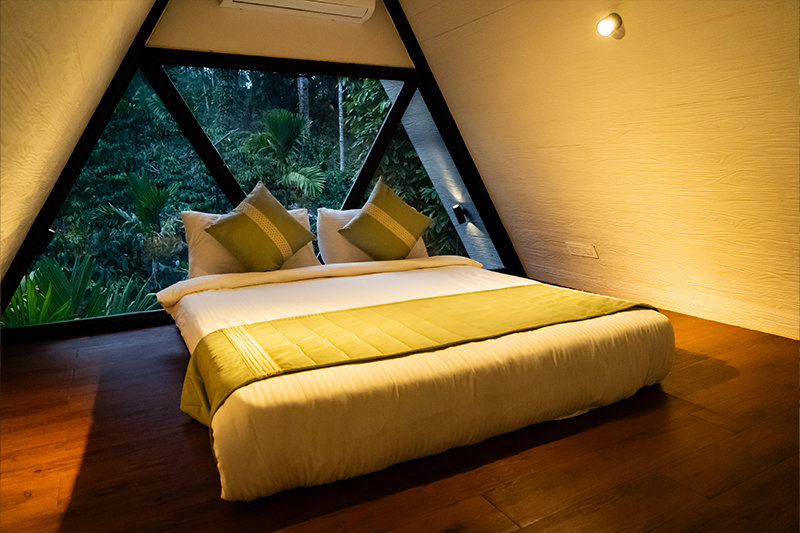
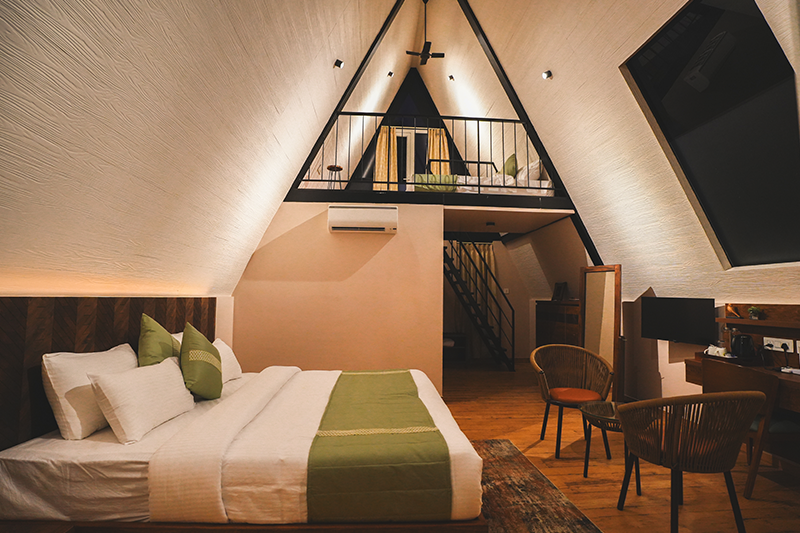
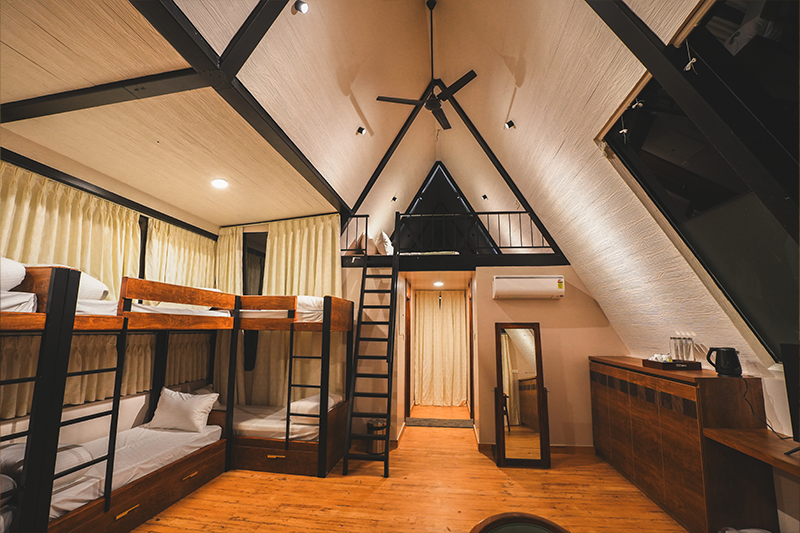
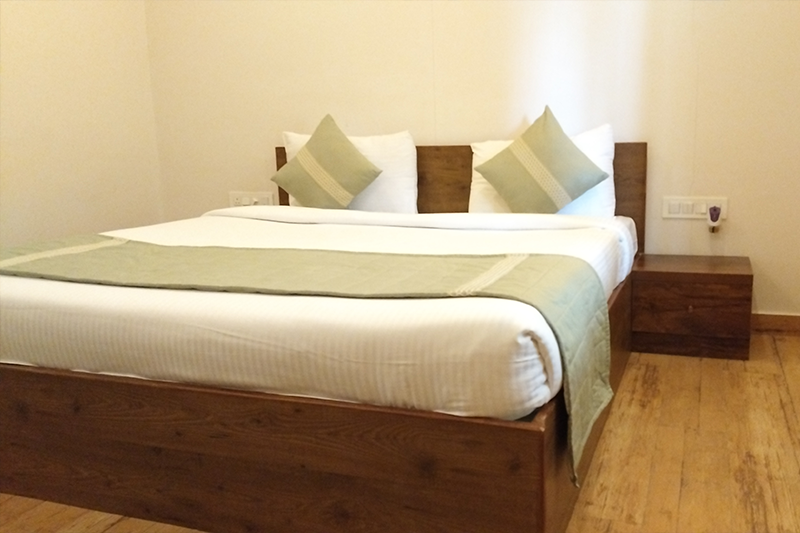

Coorg is not a city, not a hill station, and not a single tourist destination. It is an entire district — officially called Kodagu — spread across 4,102 square kilometres of the Western Ghats in southwestern Karnataka. The landscape ranges from 900 to 1,750 metres elevation: forested ridges, coffee plantations under shade-tree canopies, rivers that begin as springs in the Brahmagiri hills, and waterfalls that thunder during monsoon and trickle in summer.
People call it the Scotland of India for its rolling green hills and misty mornings, but the comparison undersells the place. Coorg has its own indigenous culture — the Kodava people, with their own language, cuisine, martial traditions, and land relationship that predates recorded Karnataka history. It is India’s largest coffee-growing region, and the plantations are not tourist parks — they are working estates where families have cultivated Arabica and Robusta for over a century.
Travelers visit Coorg for different reasons — couples for the quiet, families for the waterfalls and elephant camps, photographers for the monsoon landscape, trekkers for Tadiandamol and Brahmagiri, food lovers for pandi curry and estate-fresh coffee, and a growing number of travelers simply for the experience of staying inside a working coffee plantation and doing nothing but walk, eat, and listen.
| Destination | Coorg / Kodagu District |
| State | Karnataka, India |
| District Headquarters | Madikeri |
| Famous For | Coffee plantations, Western Ghats forests, waterfalls, Kodava culture |
| Best For | Nature lovers, families, couples, road trippers, coffee tourism |
| Ideal Duration | 2–4 days |
| Nearest Airports | Mysore (120 km), Mangalore (150 km), Kannur (110 km) |
| Nearest Railway Stations | Mysore, Hassan, Mangalore |
| Main Towns | Madikeri, Virajpet, Kushalnagar, Somwarpet |
| Elevation Range | 900–1,750 metres above sea level |
Where Is Coorg in Karnataka?
Coorg sits in the southwestern corner of Karnataka, cradled by the Western Ghats along the Kerala border. The district shares boundaries with Mysore and Hassan to the east, Dakshina Kannada (Mangalore) to the northwest, and Wayanad (Kerala) to the south. That Kerala connection is not just geographical — the southern forests of Coorg are contiguous with Wayanad’s wildlife corridors, and the climate, vegetation, and rainfall patterns are more Western Ghats than Deccan Plateau.
The three major access corridors shape how most travelers arrive. From Bangalore (265 km), the route runs through Mysore and climbs the Ghats via Kushalnagar into northern Coorg. From Mangalore (150 km), you approach from the coast, climbing through dense forest. From Kerala — whether Kannur, Calicut, or Wayanad — you enter South Coorg through Kutta and Virajpet.
This matters for trip planning because where you enter determines which part of Coorg you experience first. And here is the most important distinction most travel guides miss: Coorg is not Madikeri. Madikeri is the headquarters — a compact hill town with a fort, a viewpoint, and a market. But Coorg extends far beyond it.
Think of Kodagu district as four zones: Madikeri (central tourist hub), Virajpet and South Coorg (plantation country, waterfalls, wildlife), Kushalnagar and North Coorg (family attractions, river activities), and Somwarpet and West Coorg (offbeat, quieter, emerging). Each zone has a different character, and the best Coorg trips cover at least two.
Coorg District Explained: Madikeri, Virajpet & Beyond
Madikeri — The Central Tourist Hub
Madikeri is where most first-time Coorg travelers stay, and for good reason. Within a 10-kilometre radius you have Raja’s Seat (the sunset viewpoint where Kodagu kings once watched the sky), Madikeri Fort (a layered structure built by Kodava royals, rebuilt by Tipu Sultan, modified by the British), Abbey Falls (the most accessible waterfall in Coorg), Omkareshwara Temple (a Hindu-Islamic-Gothic architectural fusion unlike anything else in Karnataka), and a walkable market where fresh coffee, pepper, and homemade wine compete for your attention. Madikeri is a sightseeing town — compact, convenient, and well-connected. It delivers variety and movement.
Virajpet & South Coorg — Plantation Country
Virajpet, officially Virarajendrapete, is the quiet counterpart to Madikeri’s tourist energy. The entire taluk is working coffee and spice plantation land — Arabica at elevation, Robusta lower, with pepper vines climbing every shade tree. The attractions here are not ticketed viewpoints but the landscape itself: Iruppu Falls (170 feet of monsoon power in the Brahmagiri range), Tadiandamol (Coorg’s highest peak at 1,748 metres), Chelavara Falls, Kakkabe village, Nagarhole National Park’s south gate, and the forest drives between Kutta and Srimangala. Travelers who want to experience what actually made Coorg famous — the coffee, the forests, the silence — base themselves in this part of the district, often at plantation stays like INIKA Resorts where the estate itself is the primary experience.
Kushalnagar & North Coorg — Family Gateway
The eastern gateway to Coorg, Kushalnagar is the most family-friendly zone. Dubare Elephant Camp puts you on the banks of the Kaveri for elephant bathing sessions that children remember for years. Nisargadhama is a 64-acre river island with rope bridges, deer enclosures, and a treetop walkway. The Tibetan Golden Temple (Namdroling Monastery) is one of the largest Tibetan settlements in South India — ornate, colourful, and genuinely moving regardless of your spiritual background. This zone sits at a lower elevation than Madikeri, making it warmer and more accessible.
Somwarpet & West Coorg — The Quiet Side
Somwarpet taluk is where Coorg goes when it wants to be left alone. Mallalli Falls — one of the most powerful waterfalls in Karnataka — requires descending 700 stone steps to reach, which keeps casual visitors away. The hills around Somwarpet are quieter, less developed, and offer a genuinely offbeat Coorg experience. Pushpagiri Wildlife Sanctuary and Kotebetta Peak are here. This is the zone for repeat visitors and trekkers who have already done Madikeri and want something the crowds have not yet found.
| Area | Best For | Character | Key Attractions |
|---|---|---|---|
| Madikeri | First-time visitors | Tourist hub, compact sightseeing | Raja’s Seat, Fort, Abbey Falls, Market |
| Virajpet / South Coorg | Coffee & nature lovers | Plantation landscape, immersion | Iruppu Falls, Tadiandamol, Nagarhole |
| Kushalnagar / North Coorg | Families with kids | Easy access, river attractions | Dubare, Nisargadhama, Golden Temple |
| Somwarpet / West Coorg | Offbeat seekers, trekkers | Quieter, undeveloped | Mallalli Falls, Pushpagiri, Kotebetta |
Why Is Coorg Famous?
Coorg’s fame rests on a combination that no single Indian destination replicates. It is India’s largest coffee-growing district — the plantations are not a tourist attraction but the economic and ecological foundation of the entire region. The shade-grown method (coffee under a canopy of silver oak, rosewood, and jackfruit) means the hills remain forested and the biodiversity remains intact. That is why Coorg has hornbills, elephants, and Malabar trogons in the same landscape where farmers grow the coffee you drink at breakfast.
The Western Ghats give Coorg its terrain — ridges that catch monsoon clouds, valleys that funnel rivers, and a rainfall pattern that feeds waterfalls from June through November. The Kaveri — Karnataka’s lifeline river — is born here, at Talacauvery, as a small spring in the Brahmagiri hills.
Kodava culture gives Coorg its soul. The Kodava people are one of India’s most distinctive communities — a martial culture with their own dance form (kolata), a cuisine built on pork, rice, bamboo shoots, and wild ingredients from the forest, and a relationship with their land that is matrilineal in property and deeply tied to the Kaveri. Experiencing Kodava food, visiting an ainmane (ancestral home), or attending the huttari harvest festival transforms a nature holiday into a cultural encounter.
And then there are the roads. The drive from Bangalore through Mysore, up the Ghats, and into the coffee country is one of South India’s great road trips. The landscape changes every 30 minutes — dry Deccan plateau gives way to irrigated farmland, which gives way to forest, which gives way to coffee rows stretching up hillsides into mist. Most people who fall in love with Coorg do so before they reach their resort.
Best Places to Visit in Coorg
Rather than listing every attraction here, this section categorises Coorg’s key experiences by type. For detailed individual guides with entry fees, timings, distances, and tips, refer to the companion articles: 21 Best Places to Visit in Coorg Madikeri, 25 Best Places to Visit in Madikeri, and 25 Best Places to Visit in Virajpet.
Waterfalls
Abbey Falls (8 km from Madikeri, easy access, monsoon peak), Iruppu Falls (170 ft, South Coorg, forest walk required), Chelavara Falls (near Virajpet, wide cascade, fewer crowds), Mallalli Falls (near Somwarpet, 700 steps, dramatic power), and several unnamed cascades visible only from plantation roads during heavy rain.
Viewpoints
Raja’s Seat (sunset viewpoint in Madikeri town), Mandalpatti (360-degree panorama, jeep access, cloud-sea during monsoon), Talacauvery (350 steps above the Kaveri source, Brahmagiri range view), Kabbe Hills (near Virajpet, quiet, uncrowded), and dozens of unmarked plantation-ridge viewpoints that locals know about.
History & Culture
Madikeri Fort (three centuries of architecture in one structure), Omkareshwara Temple (Hindu-Islamic-Gothic fusion), Gaddige Raja’s Tomb (Indo-Saracenic royal tombs), Nalnad Palace (Kodava royal hunting lodge near Kakkabe), Bhagamandala and Talacauvery (sacred Kaveri origin), and living Kodava village culture throughout the district.
Wildlife & Forests
Nagarhole National Park (elephants, tigers, 270+ bird species), Brahmagiri Wildlife Sanctuary (tropical evergreen forest, endemic Western Ghats species), Pushpagiri Wildlife Sanctuary (shola grassland, trekking), and the forest drives between Kutta, Srimangala, and the Nagarhole border that are wildlife experiences in themselves.
Family Attractions
Dubare Elephant Camp (river-bank elephant bathing), Nisargadhama (rope bridge, deer park, treetop walk), Golden Temple at Bylakuppe (Tibetan monastery), Raja’s Seat (toy train, musical fountain), and coffee plantation walks where children see kitchen spices growing on actual plants.
Coffee & Plantation Experiences
Working estate walks (learn cultivation, picking, processing, roasting), pepper and spice plantations alongside coffee, harvest season visits (November–February for real activity), coffee blossom season (March–April for visual spectacle), and plantation stays where the estate experience is woven into daily life — morning walks through coffee rows, estate-grown coffee at breakfast, bonfire evenings surrounded by the canopy.
Best Things to Do in Coorg
| Category | Experiences |
|---|---|
| Nature | Waterfall visits, forest walks, viewpoint sunrises/sunsets, river bank relaxation, plantation walks |
| Adventure | Tadiandamol trek (1,748 m), Brahmagiri trek, Kotebetta climb, Mandalpatti jeep ride, forest drives |
| Coffee | Estate walks, coffee processing observation, tasting sessions, buying single-estate beans, blossom season |
| Culture | Kodava village visits, traditional food experiences, ainmane (ancestral home) visits, festivals, market walks |
| Wildlife | Nagarhole safari, Brahmagiri forest birding, plantation birding (hornbills, trogons), elephant camp |
| Relaxation | Plantation stay mornings, reading in nature, slow forest drives, bonfire evenings, monsoon watching |
| Food | Pandi curry, kadambuttu, akki roti, bamboo shoot curry, estate-fresh coffee, homemade wine, market shopping |
| Road Trips | Bangalore–Coorg drive (5.5 hrs), coastal approach from Mangalore, Kutta–Srimangala forest loop |
Coorg Coffee: Why Karnataka’s Coffee Country Is Special
India’s coffee story begins in Karnataka, and Coorg is its heart. The district produces both Arabica (grown above 900 metres, smaller bean, more complex flavour) and Robusta (lower elevation, larger bean, stronger body) using a shade-grown method that is ecologically remarkable: coffee grows under a multi-layered canopy of silver oak, rosewood, jackfruit, and other shade trees, with pepper vines climbing the trunks and cardamom growing in the understory. This is not monoculture — it is managed forest that happens to produce coffee.
The coffee experience in Coorg changes by season. November through February is harvest — workers move through the rows picking ripe red cherries by hand, and the processing yards are alive with pulping, fermenting, and drying. March and April bring the blossom — white flowers blanket the estates, filling the air with a jasmine-like fragrance. The rest of the year, the estates are maintenance and growth — pruning, shade management, pest control — the unglamorous work that makes harvest possible.
For travelers, the best coffee experience is not a museum or a curated tour but a morning walk through a working estate. At plantation stays like INIKA Resorts, this happens organically — you step out of your cottage into the coffee rows, walk for 30 minutes before breakfast, and return to drink coffee grown and processed within the same estate. That connection between the land under your feet and the cup in your hand is what makes Coorg coffee tourism distinct from visiting a coffee shop.
| Coffee Experience | What to Expect | Best Season |
|---|---|---|
| Estate walk | See coffee plants, shade trees, processing areas | Year-round |
| Harvest observation | Watch hand-picking and pulping | November–February |
| Coffee blossom | White flowers, jasmine-like fragrance | March–April |
| Processing | Fermentation, drying yards, roasting | November–March |
| Tasting | Arabica vs Robusta from the same estate | Year-round |
| Buying | Single-estate beans, freshness incomparable | Year-round (freshest Nov–Mar) |
Kodava Culture, History & Local Life
The Kodava people have inhabited Kodagu for centuries — a community with its own language (Kodava takk), its own martial tradition, matrilineal property customs, and a deep, almost spiritual relationship with the Kaveri River and the forests that surround their settlements. They are one of the few Indian communities with a tradition of carrying weapons as part of cultural identity — the odikathi (broad sword) and peechekathi (curved dagger) are worn during festivals and ceremonies.
Kodagu was an independent kingdom until 1834, when the British deposed the last king, Chikka Virarajendra, and annexed the territory. Before that, the region successfully resisted Tipu Sultan’s invasions — one of the few areas in South India to do so. That history of independence shaped a cultural identity that is fiercely local, and it persists today in the ainmane (ancestral homes), the festivals, and the food.
The food deserves special mention because Kodava cuisine is genuinely unlike anything else in Karnataka. Pandi curry (pork slow-cooked with kachampuli vinegar) is the signature dish. Kadambuttu (steamed rice dumplings) are eaten alongside meat curries. Bamboo shoot curry uses tender shoots foraged from the forest. Noolputtu (Kodava string hoppers) are a breakfast staple. Akki roti (rice flatbread) accompanies everything. And the coffee — estate-fresh, often roasted that morning — is not a beverage but a cultural statement.
Best Time to Visit Coorg
Winter — October to February
The clearest and most comfortable window. Mornings are cool (10–18°C), skies are mostly clear, and the landscape retains its post-monsoon green through November. This is peak season — accommodation books out for Dussehra, Christmas, and New Year. Coffee harvest happens during these months, adding a working-estate dimension to plantation stays. Wildlife safaris at Nagarhole are most productive. Best for: sightseeing, couples, photography, families, first-time visitors.
Summer — March to May
Warmer days (25–32°C) but pleasant mornings and evenings. Coffee blossom season in March–April makes estates visually spectacular. Waterfalls slow to a trickle by April. Crowds thin, prices drop, and the roads are empty. Best for: plantation experiences, budget travel, coffee blossom, quiet getaways. Avoid midday sightseeing — morning and evening outings only.
Monsoon — June to September
Coorg receives 2,500–3,000 mm of rainfall annually, and most of it falls in these four months. The landscape transforms — hills turn neon green, waterfalls explode with power, mist wraps around everything by mid-afternoon. Roads can be slippery, some attractions close, and trekking becomes leech territory. But for photographers, rain lovers, and travelers who do not need blue skies to enjoy a destination, monsoon Coorg is incomparable. Best for: waterfall visits, photography, monsoon experiences. Avoid: exposed treks, late-night driving, areas prone to landslides.
| Month | Weather | Best For | Key Consideration |
|---|---|---|---|
| January | Cool, clear | Sightseeing, couples | Peak season — book ahead |
| February | Mild, pleasant | Families, photography | Coffee harvest in progress |
| March | Warmer | Coffee blossom, quiet travel | Waterfalls weakening |
| April | Warm, dry | Budget trips, short visits | Plan mornings only |
| May | Pre-monsoon | Weekend trips | Weather unpredictable |
| June | Heavy rain begins | Greenery, waterfall starts | Road caution needed |
| July | Very wet | Waterfalls at peak | Some attractions close |
| August | Wet, misty | Monsoon photography | Flexible plans essential |
| September | Rain easing | Post-monsoon freshness | Conditions improving |
| October | Fresh green, clearing | All-round best window | Popular — book ahead |
| November | Pleasant, cool | Harvest season, safaris | Ideal for plantation visits |
| December | Cool, festive | Holiday travel | Highest demand — prices peak |
How to Reach Coorg
By Road
The road trip is half the Coorg experience. From Bangalore (265 km, 5.5–6.5 hours), take NH-275 through Mysore, then climb the Ghats through Kushalnagar into northern Coorg or continue to Madikeri. From Mysore (120 km, 3 hours), the route is shorter and enters Coorg through its eastern gateway. From Mangalore (150 km, 4 hours), you approach through the Western Ghats from the coast — a dramatic climb through dense forest. From Kerala (Kannur 110 km, Calicut 160 km), you enter South Coorg through Kutta and Virajpet, arriving in plantation country first. Self-driving is the most flexible option, but KSRTC and private buses connect Bangalore and Mysore to Madikeri daily.
By Train & Flight
Coorg has no railway station or airport. The nearest railheads are Mysore Junction (120 km), Hassan (115 km), and Mangalore (150 km) — all require road transfer to reach Coorg. The nearest airports are Mysore (120 km), Mangalore (150 km), and Kannur (110 km). For long-distance travelers flying into Bangalore, the onward drive is 5.5–6.5 hours. Pre-book a cab or self-drive car from the airport.
| Mode | Best For | Convenience | Approximate Cost |
|---|---|---|---|
| Self-drive car | Families, couples, flexibility | Highest | Fuel + tolls |
| Hired car + driver | Comfort, no driving stress | High | ₹3,000–₹5,000/day |
| KSRTC / Volvo bus | Budget, solo travelers | Medium | ₹600–₹1,200 one way |
| Train + taxi | Long-distance travelers | Medium | Train fare + ₹2,000–₹3,000 transfer |
| Flight + road | Time-sensitive travelers | Medium-High | Flight + car transfer |
How Many Days Do You Need in Coorg?
| Duration | Best Approach | What You Cover |
|---|---|---|
| 1 Day | Madikeri highlights only | Raja’s Seat, Fort, Abbey Falls — rushed but possible |
| 2 Days | Madikeri + one nature experience | Town circuit + Mandalpatti or waterfall + plantation |
| 3 Days | Madikeri + South or North Coorg | Town + plantation + waterfall/wildlife — the sweet spot |
| 4–5 Days | Full district exploration | Madikeri + Virajpet + Nagarhole + plantations + slow travel |
Two days is the minimum for a meaningful Coorg trip. Three days is the sweet spot — enough to combine Madikeri’s sightseeing with a plantation experience in South Coorg and either a waterfall excursion or a Nagarhole safari. Four or five days allow the kind of slow travel that Coorg rewards most: morning plantation walks, unplanned roadside stops, long conversations over estate coffee, a second safari because the first one left you wanting more.
Coorg Itineraries
2-Day First-Timer Itinerary
Day 1: Arrive in Madikeri by late morning. Raja’s Seat, Madikeri Fort + Museum, Omkareshwara Temple, lunch in market. Afternoon at Abbey Falls. Evening sunset at Raja’s Seat with musical fountain. Stay in Madikeri or drive to plantation accommodation.
Day 2: Morning plantation walk (if staying at an estate). Drive to Mandalpatti (jeep excursion, 2.5 hours). Return via Chiklihole Reservoir. Afternoon departure or extend with a waterfall visit.
3-Day Comprehensive Itinerary
Day 1: Madikeri town circuit (Fort, Raja’s Seat, Omkareshwara, Abbey Falls, Gaddige, market walk, sunset).
Day 2: Morning drive to South Coorg. Chelavara Falls, Kakkabe village + Nalnad Palace. Afternoon settle at plantation stay (INIKA Resorts or similar). Evening estate walk and bonfire.
Day 3: Early start for Iruppu Falls (45 min from INIKA) or Nagarhole south gate safari. Return via forest drive. Afternoon departure or extend with Tadiandamol trek.
Couple Itinerary
Skip Dubare and Nisargadhama (family-crowded). Focus on Mandalpatti sunrise, Chelavara Falls morning, Kabbe Hills sunset, plantation walks at dawn, forest drives at dusk, and a plantation stay where private cottages overlook coffee rows. The quiet is the attraction.
Family Itinerary
Prioritise Dubare Elephant Camp (kids love bathing elephants), Nisargadhama (rope bridge, deer park), Raja’s Seat (toy train), Abbey Falls (easy path), Golden Temple (colourful, peaceful), and plantation walks where children see spices they recognise from the kitchen growing on actual plants.
Coorg Travel Cost & Budget
| Travel Style | Accommodation | Transport | Daily Estimate |
|---|---|---|---|
| Budget | Homestay / basic hotel | Bus + shared transport | ₹2,000–₹4,000/day per person |
| Mid-range | Comfortable resort / plantation stay | Self-drive or hired car | ₹5,000–₹10,000/day per couple |
| Premium | Luxury plantation / boutique property | Private vehicle + driver | ₹12,000–₹25,000+/day per couple |
Costs vary significantly by season — December and October rates can be 2–3x higher than March or July. Food in Coorg is relatively affordable even at resort restaurants. Entry fees for most attractions are nominal (₹10–₹50). The biggest variable is accommodation — a plantation stay costs more than a town hotel but delivers a fundamentally different experience. Coorg is not a destination where cutting the accommodation budget makes sense; the stay IS the experience.
Where to Stay in Coorg
Madikeri
Best for sightseeing-focused trips. Hotels and guesthouses within walking distance of the fort, Raja’s Seat, and the market. Convenient but limited in nature experience. Good for 1-night stays or first-time visitors prioritising tourist attractions.
Virajpet / South Coorg
Best for plantation experiences, nature immersion, and multi-day itineraries. Coffee estate stays put you inside the landscape rather than beside it. Properties like INIKA Resorts — set within a working coffee and spice plantation about 15 km from Virajpet town — position you centrally for Chelavara Falls, Iruppu Falls, Kakkabe, Nagarhole, and the forest drives of South Coorg, while the estate itself becomes the primary experience rather than just a place to sleep.
Kushalnagar / North Coorg
Best for families with children. Close to Dubare, Nisargadhama, and Golden Temple. Lower elevation, warmer, and easier to navigate. More mid-range options available.
Coorg for Different Types of Travelers
| Traveler Type | Best Experience | Best Base | Ideal Duration |
|---|---|---|---|
| Families | Elephant camp, river island, viewpoints | Kushalnagar or Madikeri | 2–3 days |
| Couples | Plantation stays, quiet viewpoints, forest drives | South Coorg (Virajpet) | 2–3 days |
| Friends | Road trip, trekking, waterfalls, bonfire nights | Madikeri + South Coorg | 3 days |
| Solo travelers | Coffee estates, local food exploration, birding | Virajpet area | 2–4 days |
| Senior citizens | Accessible viewpoints, gentle walks, local food | Madikeri town | 2 days |
| Photographers | Monsoon waterfalls, dawn drives, plantation canopy | South Coorg | 3–5 days |
| Nature lovers | Forest drives, wildlife, plantation walks | South Coorg | 3–4 days |
| Trekkers | Tadiandamol, Brahmagiri, Kotebetta | Kakkabe / Virajpet base | 2–3 days |
Coorg With Kids & Family
Coorg is one of the most family-friendly hill destinations in South India, but it requires adjustment from the urban tourism model. Driving distances between attractions are 30–60 minutes, not 5 minutes — plan for 2–3 activities per day, not 6. Keep afternoons free for rest, especially with young children. Pack snacks for the car — food options between attractions are limited. The best family attractions (Dubare, Nisargadhama, Raja’s Seat) are in the Madikeri–Kushalnagar corridor. Waterfalls with long staircases (Mallalli, Iruppu) are difficult with children under 6. Plantation stays work beautifully for families — kids are endlessly fascinated by seeing coffee cherries, pepper vines, and cardamom pods growing on plants they can touch.
Coorg for Couples & Honeymoon Travelers
Coorg’s quiet is its strongest romantic asset. The best couple experiences are not attractions but moments: walking through a misty plantation at dawn, watching sunset from a private sit-out overlooking coffee rows, a bonfire with no one else around, a forest drive where neither of you speaks because the landscape is doing the talking. Skip the crowded tourist circuit on weekends. Stay at a plantation property in South Coorg. Visit Mandalpatti at sunrise, Chelavara Falls on a weekday morning, Kabbe Hills at sunset. The ideal honeymoon duration is 3 days — long enough to settle into the rhythm of estate life and short enough to leave wanting more.
Coorg in Monsoon: What Changes?
Everything transforms. Abbey Falls, a gentle stream in March, becomes a thundering wall of white water by July. The hills, brown-green in summer, turn an electric shade of green that photographs cannot capture. Mist drops to ground level by mid-afternoon, roads glisten, and the air smells of wet earth and coffee blossom.
But monsoon demands flexibility. Roads can be slippery — ghat sections require careful driving. Some attractions close temporarily. Leeches appear on forest trails. Visibility at viewpoints can drop to zero within minutes. Trekking above 1,500 metres becomes risky. Plan outdoor activities for mornings (rain typically intensifies in the afternoon), carry rain gear and waterproof bags for electronics, and keep at least one backup activity for each day. If you can handle uncertainty, monsoon Coorg is the most beautiful version of the destination.
Coorg Wildlife & Nature
Coorg’s forests are part of the Western Ghats biodiversity hotspot — one of the world’s 36 recognized hotspots. Nagarhole National Park (644 sq km) supports one of Asia’s highest elephant densities along with tigers, leopards, gaur, spotted deer, and over 270 bird species. The Kabini backwaters during summer (April–May) draw massive elephant herds to the water — one of India’s great wildlife spectacles. Brahmagiri and Pushpagiri Wildlife Sanctuaries protect tropical evergreen forest with endemic Western Ghats species. Even outside protected areas, the coffee plantation canopy supports rich birdlife — hornbills, trogons, woodpeckers, and bulbuls are daily sightings on estate walks. No wildlife sighting is guaranteed — that is the nature of wildlife. But the habitat density in Coorg means your odds are consistently good.
Coorg Food: What Should You Try?
Kodava cuisine is meat-forward, rice-based, and uses ingredients from the forest that no restaurant outside Kodagu replicates. Pandi curry (pork cooked with kachampuli vinegar — tangy, rich, slow-cooked) is the signature. Kadambuttu (steamed rice balls) are the traditional accompaniment. Koli curry (chicken) is the other staple. Bamboo shoot curry uses tender shoots sourced locally. Akki roti (rice flatbread) accompanies everything. Noolputtu (string hoppers) appear at breakfast. And the coffee — estate-fresh, often roasted within kilometres of where you are sitting — is not a beverage but a punctuation mark on every meal.
Vegetarian visitors will find less variety but no shortage — rice preparations, vegetable curries, appam, and the ubiquitous filter coffee form a complete meal. For the most authentic Kodava food, eat at plantation stays or local eateries near Madikeri market — not at multi-cuisine resort restaurants that dilute the local flavour with continental options.
Shopping in Coorg
The best things to buy in Coorg are the things Coorg grows. Fresh coffee beans (buy from estate shops, not branded retail — the difference is dramatic), black pepper (Malabar variety, whole, not ground), cardamom, honey (Coorg’s wild forest honey is distinct from commercial varieties), homemade wine (grape and orange, sold at Madikeri market shops), and traditional Kodava knives (handmade, decorative and functional). Buy spices from shops where locals buy — if the shop does not grind beans in front of you, move on.
Practical Coorg Travel Tips
Before You Leave
Check weather forecasts and road conditions, especially during monsoon. Book accommodation in advance for October–February and all holiday weekends. Download offline Google Maps for the entire Kodagu district — mobile signal is unreliable outside towns. Plan fuel stops — fill up in Madikeri, Virajpet, Kushalnagar, or Ponnampet before heading to remote areas. Carry cash — ATMs exist in towns but not at attractions, and many small eateries and vendors are cash-only.
While Traveling
Start sightseeing by 7 AM — mornings are the most beautiful, least crowded, and coolest part of the day. Keep a buffer of 30 minutes between planned activities — hill-road driving always takes longer than Google Maps suggests. Drive slowly on plantation and forest roads — elephants, cattle, and sharp turns appear without warning. Carry water and snacks in the car — reliable food options between attractions are scarce.
During Monsoon
Carry a proper rain jacket (not an umbrella — wind makes them useless on hill roads), waterproof bags for electronics, and shoes with grip. Avoid night driving on ghat roads. Check with your accommodation about road conditions before heading to remote waterfalls. Keep plans flexible — the most beautiful monsoon moment is often the unplanned one.
What to Pack for Coorg
| Season | Essentials |
|---|---|
| Winter (Oct–Feb) | Layers (cool mornings, warm afternoons), light jacket, comfortable walking shoes, sunscreen |
| Summer (Mar–May) | Light cotton clothing, hat/cap, sunscreen, sunglasses, water bottle, light walking shoes |
| Monsoon (Jun–Sep) | Rain jacket, waterproof shoe covers, quick-dry clothing, waterproof bags, extra socks, leech socks for treks |
| Trekking | Trail shoes with grip, 2L water, energy bars, rain cover, first-aid kit, leech socks, layers |
| All Seasons | Mosquito repellent, power bank, offline maps downloaded, cash, personal medicines, camera |
Safety & Responsible Tourism
Coorg is one of the safest tourist regions in Karnataka, but the terrain demands respect. Drive carefully on ghat and forest roads — sharp turns, narrow stretches, and wildlife crossings are common. Do not approach wild elephants — if you encounter one on the road, switch off the engine and wait silently. At waterfalls, stay behind barriers — rocks are slippery year-round and currents are unpredictable during monsoon. On treks, hire local guides for any route above 1,200 metres, inform your accommodation of your plans, and carry adequate water.
Responsible tourism is not optional in a landscape this fragile. Carry your waste out from trails and waterfalls. Do not use plastic at water bodies. Stay on marked paths in wildlife sanctuaries. Respect plantation property boundaries — walking into someone’s coffee estate without permission is trespassing. Respect Kodava cultural practices — ask before photographing people, remove shoes at temples, and understand that ainmane (ancestral homes) are private residences, not tourist sites.
Common Travel Mistakes to Avoid in Coorg
Trying to cover the entire district in one day. Coorg is 4,102 sq km — even three days barely scratches the surface. Pick a zone and experience it properly rather than racing between 10 attractions in 12 hours.
Assuming Madikeri represents all of Coorg. Madikeri is one town with one character. South Coorg (Virajpet, Kakkabe, Iruppu Falls) and North Coorg (Dubare, Nisargadhama) offer entirely different experiences.
Ignoring monsoon road conditions. Rain makes ghat roads slippery, reduces visibility, and occasionally triggers landslides. Check conditions before driving, keep speed low, and avoid night driving during heavy rain.
Relying entirely on mobile network. Signal drops to zero on forest roads, plantation areas, and around most waterfalls. Download offline maps, carry cash, and inform your accommodation of your day plans.
Treating every waterfall as safe for swimming. Most Coorg waterfalls prohibit swimming for good reason — underwater rocks, sudden current changes, and slippery surfaces. Obey the signage.
Coorg vs Madikeri vs Virajpet: Understanding the Difference
This confusion appears in almost every travel forum. Here it is, simply: Coorg (Kodagu) is the district — 4,102 sq km covering multiple towns, forests, plantations, and rivers. Madikeri is the district headquarters — a specific hill town with a fort, viewpoints, and a market. Virajpet is another major town in the district, sitting in the southern plantation belt.
Saying ‘I visited Coorg’ and meaning only Madikeri is like saying ‘I visited Goa’ and meaning only Panaji. The district has at least four distinct zones, each with its own character. The strongest Coorg trip combines at least two: Madikeri for sightseeing variety, and South Coorg (Virajpet area) for plantation immersion, waterfalls, and wildlife. For a detailed comparison, read The Difference Between Madikeri and Virajpet on our site.
Frequently Asked Questions About Coorg
Where is Coorg located?
Coorg (Kodagu) is a district in southwestern Karnataka, India, nestled in the Western Ghats. It shares borders with Mysore, Hassan, Dakshina Kannada (Mangalore), and Wayanad (Kerala). The district headquarters is Madikeri, approximately 265 km from Bangalore.
Is Coorg and Madikeri the same?
No. Coorg (Kodagu) is the entire district — 4,102 sq km. Madikeri is one town within it, serving as the district headquarters. Other major towns include Virajpet, Kushalnagar, and Somwarpet. Each area offers a different experience.
What is Coorg famous for?
Coffee plantations, Western Ghats forests, waterfalls (Abbey Falls, Iruppu Falls), Kodava culture, wildlife (Nagarhole), trekking (Tadiandamol, Brahmagiri), scenic road trips, and plantation stays.
How many days are enough for Coorg?
Two days for highlights, three days for a comfortable experience covering two zones, four to five days for thorough exploration including wildlife, trekking, and slow plantation travel.
Which month is best to visit Coorg?
October and November offer the best combination — post-monsoon green, clear skies, pleasant temperatures, coffee harvest starting, and good wildlife safari conditions.
Is Coorg good for families?
Excellent. Dubare Elephant Camp, Nisargadhama, Raja’s Seat, and plantation walks are all family-friendly. Plan for 2–3 activities per day, not 6 — driving distances are real.
How do I reach Coorg from Bangalore?
Drive via NH-275 through Mysore (265 km, 5.5–6.5 hours), take a KSRTC/Volvo bus to Madikeri, or fly to Mysore airport and transfer by road.
Is Coorg good during monsoon?
Beautiful but demanding. Waterfalls peak, landscape turns electric green, crowds vanish. Roads can be slippery, some attractions close. Carry rain gear and keep plans flexible.
What food is Coorg famous for?
Pandi curry (pork), kadambuttu (rice dumplings), koli curry (chicken), bamboo shoot curry, akki roti, noolputtu (string hoppers), and estate-fresh coffee.
Is Virajpet part of Coorg?
Yes. Virajpet is a major town in southern Kodagu district, known for coffee plantations, Iruppu Falls, Tadiandamol, and proximity to Nagarhole. It offers a quieter, nature-focused alternative to Madikeri.
Which area is best to stay in Coorg?
Madikeri for sightseeing-focused trips. Virajpet/South Coorg for plantation stays and nature immersion. Kushalnagar for family-oriented attractions. Multi-day trips benefit from a South Coorg plantation base.
Is Coorg expensive?
Coorg ranges from budget (₹2,000/day) to premium (₹25,000+/day). Accommodation is the main variable. Entry fees are nominal. Food is affordable. Season affects pricing significantly — December is the most expensive month.
Why Coorg Karnataka Is Worth Visiting
Coorg works because it layers experiences in a way few Indian destinations match. The morning walk through a coffee plantation, the mid-morning waterfall visit, the afternoon forest drive, the evening bonfire under stars — each part of the day delivers something different, and all of it happens within a landscape that has been shaped by over a century of careful cultivation.
It is a destination where the drive is as good as the destination, where the food comes from the land you are standing on, where the coffee in your cup was grown within sight of your window, and where the silence at dawn is interrupted only by hornbills and the distant sound of water. Whether you come for the adventure, the culture, the coffee, or simply to sit in a cottage overlooking green rows of Arabica and do absolutely nothing, Coorg returns more than you invest in it.
Plan for at least three days. Cover at least two zones. Stay inside a plantation, not beside one. Start early every morning. And leave room for the unplanned — the roadside viewpoint, the conversation with a coffee farmer, the sunset that was not on your itinerary. Those moments are Coorg at its best.
Related Guides on INIKA Resorts
- 21 Best Places to Visit in Coorg Madikeri — the definitive attractions guide
- 25 Best Places to Visit in Madikeri — detailed Madikeri companion
- 25 Best Places to Visit in Virajpet — South Coorg deep dive
- Bangalore to Coorg Distance & Travel Guide — route planning
- Best Time to Visit Coorg — month-by-month weather analysis
- Coorg Temperature Month by Month — detailed weather data
- Your Complete Guide to Visiting Coorg — planning companion
- The Difference Between Madikeri and Virajpet — choosing your base
- Best Time to Visit Coorg for Honeymoon — couple planning