





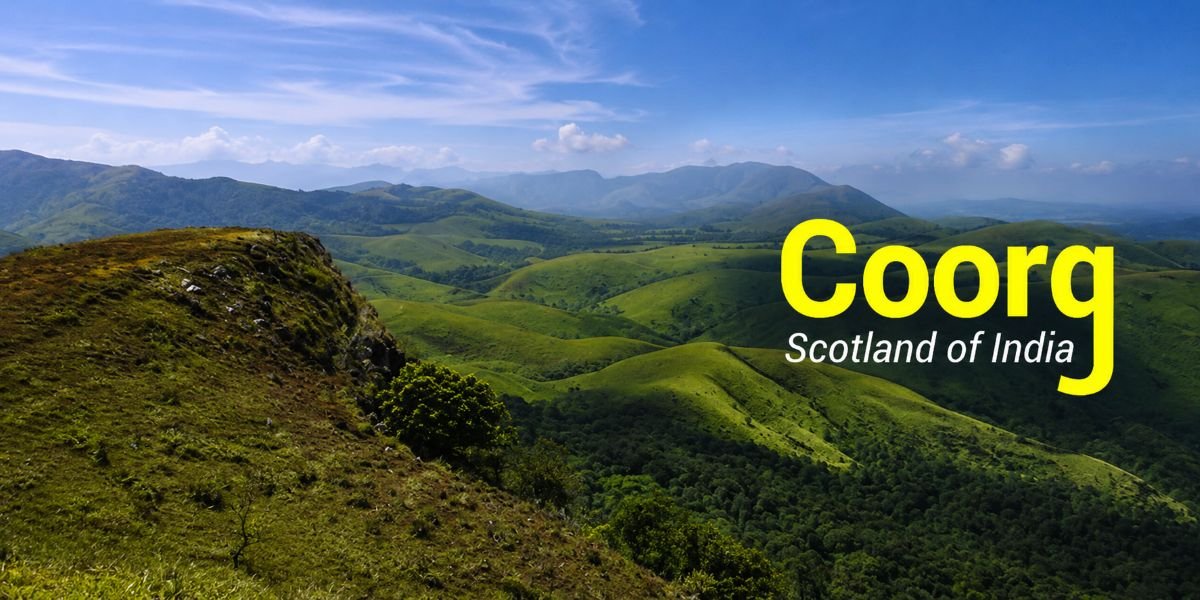
Why Coorg Is Called the “Scotland of India” — A Geographical and Cultural Explanation
Nestled in the Western Ghats of Karnataka, Coorg, officially known as Kodagu, is one of India’s most picturesque hill destinations. With rolling hills, mist-covered mountains, lush green valleys, coffee plantations, winding roads, cool weather, and a distinct cultural identity, Coorg has earned a nickname that has fascinated travelers for decades: “The Scotland of India.”
But why exactly is Coorg compared to Scotland?
Is it simply because both places are green and beautiful, or is there a deeper geographical, climatic, and cultural connection?
The answer lies in a unique combination of landscape, weather patterns, history, traditions, and lifestyle that makes Coorg stand apart from other destinations in India. Understanding this comparison helps travelers appreciate why Coorg continues to attract nature lovers, honeymooners, photographers, adventure seekers, and luxury travelers from around the world.
This article explores the geographical and cultural reasons behind Coorg’s famous title and explains why the comparison remains relevant even today.
The Origin of the “Scotland of India” Nickname
The nickname dates back to the British colonial era.
During their travels through southern India, British officers and administrators noticed that Coorg’s landscape reminded them of the Scottish Highlands.
The similarities included:
- Rolling green hills
- Cool climate
- Misty mornings
- Mountainous terrain
- Dense forests
- Open valleys
- Scenic countryside
Many British officials stationed in southern India considered Coorg one of the few places that felt visually similar to parts of Scotland.
Over time, travelers and writers began referring to Coorg as the “Scotland of India,” and the name eventually became a popular part of the region’s identity.
The Geographical Similarities Between Coorg and Scotland
The strongest reason behind the comparison comes from geography.
Both regions share several landscape characteristics that create remarkably similar visual impressions.
Rolling Hills and Undulating Terrain
One of the first things visitors notice in Coorg is the endless sequence of hills stretching across the horizon.
Unlike sharp mountain peaks found in the Himalayas, Coorg’s landscape consists of:
- Rounded hilltops
- Soft ridgelines
- Expansive valleys
- Layered mountain views
These geographical features closely resemble the Scottish Highlands, where rolling elevations create a similarly dramatic yet gentle landscape.
Why This Matters to Travelers
The terrain creates breathtaking viewpoints throughout Coorg.
Travelers frequently encounter:
- Panoramic hill views
- Scenic drives
- Sunrise viewpoints
- Mist-covered valleys
- Layered mountain landscapes
These visual characteristics are among the primary reasons people associate Coorg with Scotland.
Misty Mountains and Cloud-Covered Landscapes
Another striking similarity is the atmosphere created by weather and elevation.
A Constant Presence of Mist
Throughout much of the year, especially during monsoon and winter seasons, Coorg experiences:
- Morning fog
- Low-hanging clouds
- Mist-covered hills
- Cool breezes
- Dramatic skies
These weather conditions are very similar to those found in Scotland’s mountainous regions.
The mist often moves through plantations and forests, creating a magical appearance that photographers and nature lovers particularly appreciate.
A Landscape That Changes Every Hour
One unique feature of Coorg is how quickly the scenery changes.
A hill visible under bright sunshine may disappear behind dense mist within minutes.
This constantly shifting atmosphere contributes significantly to Coorg’s Scottish-like character.
Abundant Greenery and Forest Cover
Both Scotland and Coorg are known for their rich natural environments.
Coorg’s Forest Ecosystem
Coorg contains:
- Evergreen forests
- Tropical rainforests
- Wildlife habitats
- Coffee plantations
- River systems
The region receives substantial rainfall, which helps maintain its vibrant green appearance throughout most of the year.
Even during dry seasons, Coorg remains considerably greener than many other parts of India.
This lush environment strongly resembles the green landscapes often associated with Scotland.
Climate: One of the Strongest Similarities
Geography alone does not explain the comparison.
Climate plays an equally important role.
Cooler Temperatures Compared to Most of India
Unlike many Indian destinations known for intense heat, Coorg enjoys a relatively pleasant climate year-round.
Average Weather Conditions
Visitors can generally expect:
- Mild summers
- Cool mornings
- Comfortable evenings
- Frequent rainfall
- Fresh mountain air
The moderate temperatures create a refreshing environment that feels very different from nearby cities.
This cooler climate contributes heavily to the Scottish comparison.
Heavy Rainfall Creates a Unique Environment
Rain shapes much of Coorg’s identity.
The Monsoon Transformation
During monsoon season, the region receives substantial rainfall that transforms the landscape into a lush green paradise.
The rains support:
- Dense vegetation
- Waterfalls
- River systems
- Coffee cultivation
- Forest growth
Scotland is also known for its rainy weather, making this another notable similarity between the two regions.
The Cultural Identity of Coorg
While geography explains much of the comparison, Coorg’s unique culture adds another layer to its distinctiveness.
The region possesses traditions, customs, and social structures that differ significantly from many other parts of India.
The Kodava Community
The indigenous people of Coorg are known as Kodavas.
They have preserved a unique cultural identity for centuries.
Distinct Traditions
Kodava culture includes:
- Traditional attire
- Unique festivals
- Ancestral customs
- Martial heritage
- Strong family values
This strong cultural individuality mirrors how Scotland maintains its own identity within the United Kingdom.
Both regions take pride in preserving their heritage and traditions.
A Proud Martial Legacy
One of the most respected aspects of Kodava culture is its military tradition.
Historically, the people of Coorg were known as skilled warriors.
A Tradition of Service
Even today, Coorg has produced a remarkable number of military officers and decorated soldiers relative to its population size.
This reputation for courage and discipline has become an important part of the region’s cultural identity.
Interestingly, Scotland has a similar historical association with military traditions and warrior clans.
Coffee Plantations and the Countryside Connection
One of Coorg’s most iconic features is its coffee plantations.
These plantations contribute significantly to the region’s landscape and atmosphere.
A Plantation-Dominated Landscape
Visitors often drive through:
- Coffee estates
- Pepper farms
- Cardamom plantations
- Forest-lined roads
The vast open countryside creates a feeling of rural tranquility similar to Scotland’s farming landscapes.
How Plantations Shape the Experience
The plantation environment provides:
- Scenic walking trails
- Fresh air
- Wildlife encounters
- Peaceful surroundings
For many travelers, these experiences define what makes Coorg special.
Why Travelers Continue to Use the Comparison Today
The nickname has survived for decades because the similarities remain visible.
Modern visitors continue to describe Coorg using terms such as:
- Peaceful
- Green
- Misty
- Scenic
- Refreshing
- Countryside-like
These are many of the same words frequently associated with Scotland.
More Than Just a Marketing Label
Some travel nicknames lose relevance over time.
The “Scotland of India” title has endured because it reflects genuine characteristics of the region.
The comparison is based on:
- Geography
- Climate
- Natural beauty
- Rural landscapes
- Cultural uniqueness
Rather than being a simple tourism slogan, it is rooted in real similarities that visitors can experience firsthand.
What Makes Coorg Unique Despite the Comparison
Although the nickname is fitting, Coorg remains distinctly Indian.
Its identity is shaped by:
- Coffee plantations
- Kodava culture
- South Indian cuisine
- Western Ghats biodiversity
- Indian heritage
- Local traditions
The comparison helps travelers visualize the landscape, but Coorg offers experiences that are entirely its own.
Conclusion
Coorg is called the “Scotland of India” because of a remarkable combination of geographical and cultural similarities. Its rolling hills, mist-covered mountains, cool climate, lush greenery, rural landscapes, and strong cultural identity closely resemble characteristics often associated with Scotland.
However, Coorg is much more than a Scottish comparison. It is a destination with its own traditions, history, people, cuisine, and natural beauty. The nickname serves as a useful introduction, but the true charm of Coorg lies in experiences that cannot be found anywhere else.
Whether you are drawn by the misty hills, coffee plantations, peaceful countryside, or unique Kodava culture, Coorg continues to justify its reputation as one of India’s most beautiful and distinctive destinations.
If you’re planning a trip to Coorg, exploring its landscapes, waterfalls, coffee plantations, and cultural attractions becomes much easier with the right travel guide. You can discover the region’s top attractions through this detailed guide on 21 Best Places to Visit in Coorg, Madikeri, learn the ideal time to visit and where to stay from Your Complete Guide to Visiting Coorg, and plan your road trip efficiently using Bangalore to Coorg Distance & Travel Guide. For travelers interested in exploring Madikeri in a single day, Madikeri Tourist Places in One Day offers a practical itinerary. To complete the experience with a peaceful plantation stay, visit INIKA Resorts and enjoy luxury hospitality surrounded by the natural beauty of Coorg.
FAQs
Why is Coorg called the Scotland of India?
Coorg is called the Scotland of India because of its rolling hills, cool climate, misty landscapes, lush greenery, and countryside scenery that resemble parts of Scotland.
Who gave Coorg the nickname “Scotland of India”?
The nickname is believed to have originated during the British colonial period when British officials noticed similarities between Coorg and the Scottish Highlands.
Is Coorg colder than other places in South India?
Yes. Due to its elevation and location in the Western Ghats, Coorg generally enjoys cooler temperatures than many surrounding regions.
What geographical features make Coorg similar to Scotland?
Rolling hills, mist-covered mountains, green valleys, dense forests, and a cool climate are the primary geographical similarities.
What is unique about Coorg’s culture?
Coorg is home to the Kodava community, known for its distinct traditions, martial heritage, unique attire, festivals, and strong cultural identity.
Is the nickname “Scotland of India” accurate?
While no two places are exactly alike, the nickname accurately reflects Coorg’s landscape, climate, and scenic beauty, which many travelers find reminiscent of Scotland.
Planning a family vacation in Coorg becomes easier when you stay at INIKA Resorts, a peaceful retreat surrounded by nature and scenic beauty. Before your trip, you can check the latest weather conditions through the Coorg Weather Guide and learn about the ideal season to visit with your loved ones in this detailed guide on Best Time and Weather to Visit Coorg Madikeri with Family. During your stay, explore the region’s most popular attractions through Top 5 Places to Visit in Coorg with Family and discover even more incredible destinations in this comprehensive list of 21 Best Places to Visit in Coorg Madikeri. With its central location and tranquil plantation surroundings, INIKA Resorts serves as the perfect base for experiencing Coorg’s natural beauty, family-friendly attractions, and unforgettable travel experiences.